

- By carlie tj
- September 16, 2025
- Tips or Guide, Transport
The global shipping industry has seen tremendous shifts, and staying updated with China sea freight news is crucial for importers, exporters, and logistics managers. Reliable providers like China Top Freight help businesses adapt to market changes, shipping costs, customs updates, and supply chain disruptions while ensuring timely deliveries worldwide.
1. What Is the Current State of China Sea Freight?
Sea freight from China continues to dominate global logistics, accounting for over 60% of international trade volumes. Although rates fluctuate due to fuel surcharges, seasonal demand, and port congestion, businesses rely on sea shipping for bulk transport. Moreover, trends indicate a gradual shift toward sustainable shipping solutions.
2. How Much Does China Sea Freight Cost in 2025?
Shipping costs vary depending on container size, destination, and method (FCL or LCL). Average container freight rates remain competitive compared to air or rail.
| Container Type | Average Cost (USD) | Transit Time | Best For |
|---|---|---|---|
| 20ft FCL | $1,200 – $2,500 | 25–35 days | Small to medium shipments |
| 40ft FCL | $2,200 – $4,500 | 25–35 days | Large or bulky cargo |
| LCL (per CBM) | $60 – $90 | 28–40 days | Low-volume shipments |
Additionally, fuel price volatility and global demand influence monthly rate changes.
3. Why Choose Sea Freight from China Over Other Methods?
Sea freight remains the most cost-effective option for businesses importing bulk cargo. Unlike air freight, it allows for heavy shipments at lower costs. Furthermore, rail freight is faster but often limited to specific routes, whereas sea freight covers global destinations.
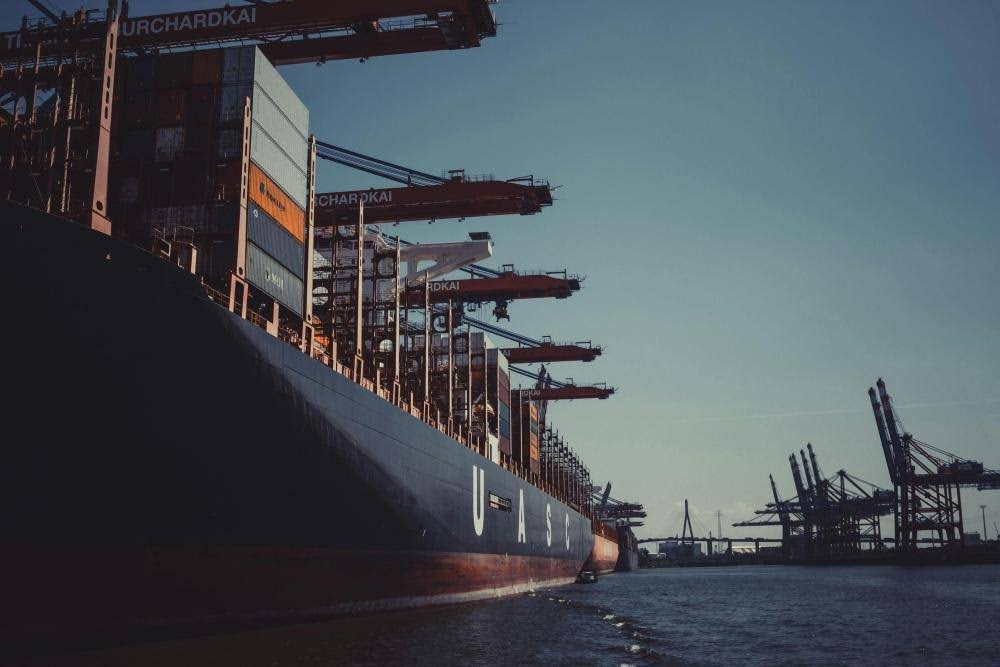
4. What Are the Latest China Sea Freight News Headlines?
- Port Congestion: Key Chinese ports such as Shanghai and Ningbo are experiencing delays due to rising container volumes.
- Sustainability Regulations: IMO 2025 rules mandate lower carbon emissions, impacting shipping costs.
- Technology Adoption: Digital freight platforms now provide real-time tracking and automated customs clearance.
- Global Trade Shifts: Rising exports to Africa and South America highlight new trade corridors.
5.Should You Use FCL or LCL Shipping from China?
- FCL (Full Container Load): Best for larger shipments, provides full container use, reduces handling risks.
- LCL (Less than Container Load): Ideal for small businesses, cost shared with other shippers but involves more handling.
Both options remain popular; however, FCL offers greater reliability when avoiding delays during customs inspections.
6.Can Digitalization Improve China Sea Freight Efficiency?
Yes. With AI-powered freight management and IoT-enabled tracking, businesses gain visibility over shipments. Moreover, platforms provide predictive analytics to anticipate port delays, enabling better supply chain planning.
Before you make your next shipping decision, remember that staying informed with the latest China sea freight news helps you optimize costs, reduce risks, and plan your delivery schedules effectively. For tailored solutions, trust experts who understand the complexities of global logistics.
7.Conclusion
China sea freight remains the backbone of international trade, offering cost efficiency, vast coverage, and scalability for global businesses. Despite challenges like port congestion and regulatory changes, it continues to adapt through technology and sustainability initiatives. Therefore, businesses must stay updated with China sea freight news to anticipate costs, optimize logistics strategies, and maintain competitive advantage.
8. Request a Quote
China Top Freight offers:
- ✅ Origin and Destination Countries
- ✅ Cargo Type and Volume
- ✅ Preferred Transport Method (Air, Sea, Rail, Road)
- ✅ Delivery Timeline
- ✅ Special Handling Requirements (if any)
9. FAQ
Q1: What is the average cost of shipping a 40ft container from China?
The average price ranges from $2,200 to $4,500 depending on the destination, season, and carrier availability.
Q2: How long does sea freight from China to Europe take?
It generally takes 30–35 days, depending on the port of loading, final destination, and potential transshipments.
Q3: Do customs documents affect shipping delays?
Yes, incomplete paperwork often leads to delays at ports, additional inspections, and in some cases, extra charges for storage.
Q4: Can small businesses benefit from LCL shipping?
Absolutely, LCL enables small businesses to share container space and pay only for the cargo volume they ship.
Q5: What factors influence sea freight costs from China?
Costs depend on container type, fuel prices, port congestion, trade season, and global market demand fluctuations.