

China Sea Freight Rates: Your 2025 Guide
Shipping from China requires a clear understanding of logistical complexities, especially concerning sea freight rates. Many businesses encounter challenges with fluctuating costs, unpredictable transit times, and intricate customs procedures. This comprehensive guide, brought to you by China Top Freight, aims to demystify China sea freight rates, offering insights into current market trends and practical strategies to optimize your supply chain in 2025. We provide solutions to help you navigate these waters effectively, ensuring your cargo reaches its destination efficiently and economically.
What Are Current China Sea Freight Rates?
Understanding current China sea freight rates is crucial for effective budget planning and competitive pricing. As of early 2025, freight market trends show a stabilization after recent global disruptions, however, regional volatility persists. Consequently, average container shipping prices from major Chinese ports to key destinations vary significantly.
For instance, typical rates for a 40-foot High Cube (40HQ) container from China to Europe range from $3,000 to $4,500. Meanwhile, shipments to the USA West Coast might fall between $2,800 and $4,000, reflecting demand and capacity on specific trade lanes. These figures are general estimates; actual ocean freight quotes depend on numerous dynamic factors.
Note: Freight rates are subject to change based on fuel costs, carrier capacity, and seasonal demand. Contact us for a current quote tailored to your specific shipment.
Key Factors Influencing China Sea Freight Costs
Several critical elements collectively determine the final cost of shipping from China. Businesses must consider these factors to accurately forecast expenses and mitigate potential surcharges. Indeed, a thorough understanding allows for better strategic planning and negotiation.
Fuel Surcharges and BAF
Bunker Adjustment Factor (BAF) and other fuel surcharges are directly linked to global oil prices. Therefore, fluctuations in the energy market directly impact your shipping costs from China. These surcharges can add a significant percentage to the base freight rate, making them a key consideration.
Seasonal Demand and Peak Seasons
Demand for vessel space experiences seasonal peaks, particularly before major holidays like Chinese New Year and during the Q3-Q4 holiday shopping season. Consequently, peak season surcharges are common during these periods, increasing LCL rates China and FCL costs. Planning ahead can help mitigate these seasonal rate hikes.
Port Congestion and Geopolitical Events
Port congestion at origin or destination can lead to significant delays and additional charges, such as demurrage and detention fees. Furthermore, geopolitical events, like the Red Sea disruptions, can force longer routes and higher insurance premiums, impacting global freight rates. Monitoring these events is vital for supply chain management.
Container Type and Size
The type and size of the container (20GP, 40GP, 40HQ, reefer, open top, etc.) directly affect the base freight rate. Generally, larger containers offer better per-unit cost efficiency for full container load (FCL) shipments. Conversely, smaller volumes might be better suited for less than container load (LCL) services, though LCL rates China are calculated per cubic meter.
Incoterms and Insurance
The chosen Incoterm (e.g., FOB, EXW, CIF) dictates who is responsible for various costs and risks throughout the shipping journey. Moreover, cargo insurance costs provide financial protection against loss or damage during transit, which is a prudent investment. Understanding these terms is essential for accurate import/export cost assessment.
How Does Sea Freight Compare to Other Shipping Options?
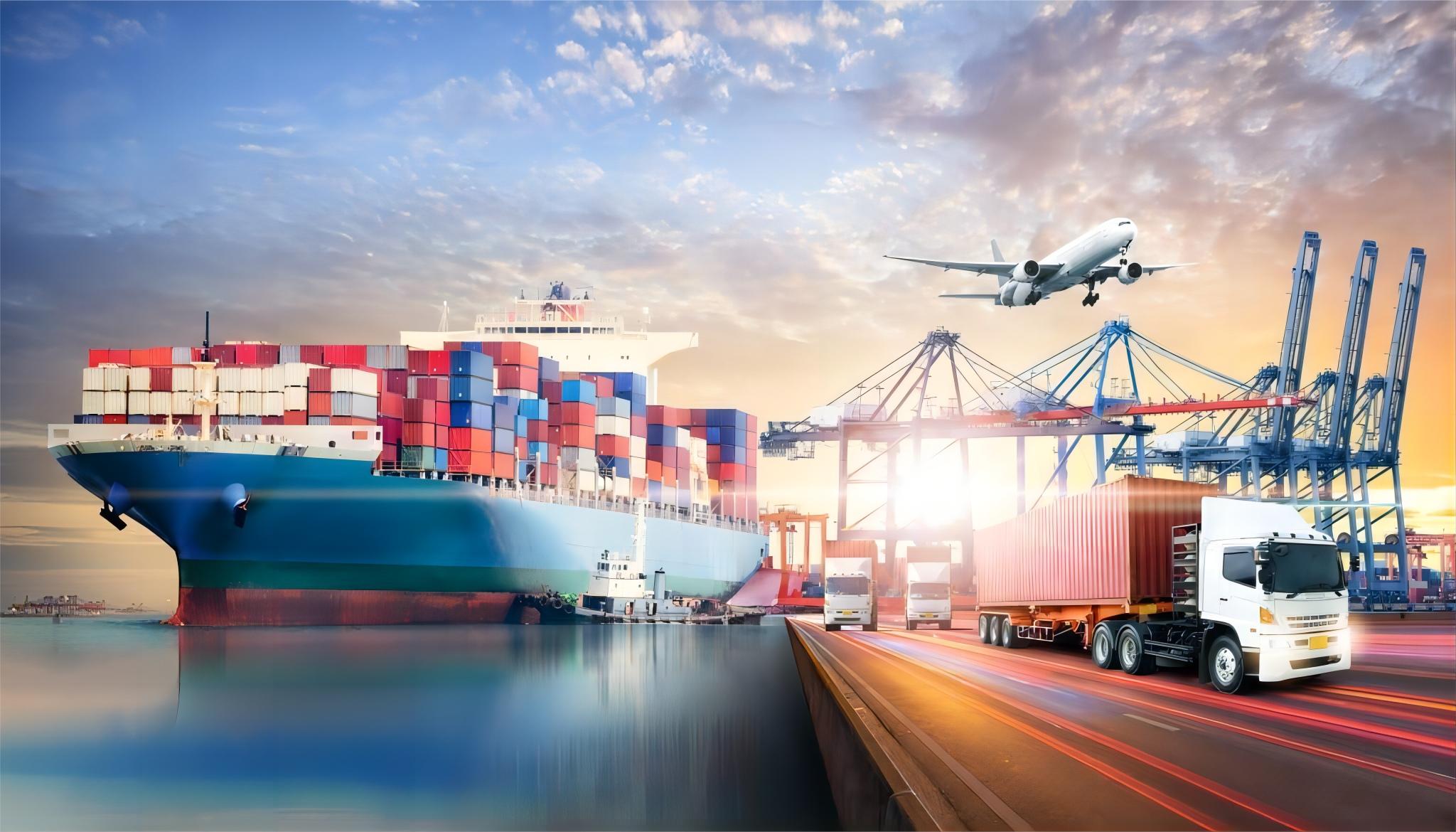
While sea freight is often the most economical choice for large volumes, other shipping methods offer distinct advantages in terms of speed and flexibility. Therefore, selecting the best way to ship from China requires a careful evaluation of your priorities. Here is a comparison to help you decide.
| Shipping Method | Cost Range | Transit Time | Best For | Limitations |
|---|---|---|---|---|
| Sea Freight | Low to Medium | 12-45 days | Large, heavy, non-urgent cargo | Slow, prone to delays, port-to-port only (without additional services) |
| Air Freight | High | 3-8 days | Urgent, high-value, perishable, small volumes | Expensive, weight/volume restrictions, environmental impact |
| Rail Freight | Medium | 15-25 days | Time-sensitive but not urgent, large volumes to Europe | Limited routes, not suitable for all destinations (e.g., Australia) |
| Express Service | Very High | 1-5 days | Very urgent, small parcels, samples, documents | Highest cost, strict size/weight limits |
Navigating the China Sea Freight Booking Process
Successfully booking China sea freight involves several steps, from selecting a reliable partner to managing complex documentation. A streamlined process ensures efficient cargo handling and minimizes potential delays. Therefore, partnering with an experienced freight forwarder China is highly beneficial.
Choosing the right freight forwarder is paramount. Look for a company with extensive experience in your specific trade lane and a strong network in China. They should offer transparent ocean freight quotes and excellent communication. For instance, door-to-door service can simplify your logistics considerably.
Documentation and customs brokerage are critical elements of international shipping. You will need a commercial invoice, packing list, bill of lading, and potentially other permits or certificates. Accurate and timely submission of these documents is essential to avoid customs clearance China delays and additional import duties China.
Real-World China Sea Freight Case Studies
To illustrate the practical application of China sea freight rates and logistics, let’s examine a few real-world scenarios. These case studies provide tangible examples of costs, transit times, and challenges encountered during international shipping. They reflect typical rates as of early 2025, but actual costs may vary.
Case Study 1: Large Volume to Europe
This case highlights a common scenario for businesses importing substantial goods to Europe, optimizing for cost-effectiveness. The client prioritized budget over absolute speed, making sea freight the ideal choice. This demonstrates efficient handling for a full container load.
| Detail | Description | Value |
|---|---|---|
| Route | Shanghai, China to Rotterdam, Netherlands | China to Europe |
| Cargo | Auto parts, 25 CBM, 15,000 kg | Non-perishable |
| Container | 1 x 40HQ | Full Container Load |
| Shipping Details | Carrier: MSC, Port of Loading: Shanghai, Port of Discharge: Rotterdam, Route Type: Direct | Major carrier |
| Cost Breakdown | Ocean Freight: $3,800, Origin Charges: $450, Destination Charges: $600, Customs & Duties (estimated): $1,200 | Total Landed Cost: $6,050 |
| Timeline | Booking to Loading: 5 days, Sea Transit: 30 days, Customs Clearance: 3 days, Total Door-to-Door: 38 days | Typical transit times |
| Key Insight | Early booking avoided peak season surcharges, securing competitive China sea freight rates. Efficient documentation prevented delays. |
Case Study 2: E-commerce Goods to North America
An e-commerce retailer needed to restock popular small electronics for the holiday season, balancing cost and a reasonable delivery schedule. Utilizing an Amazon FBA service via LCL proved to be the most viable solution. This approach is common for smaller, frequent shipments.
| Detail | Description | Value |
|---|---|---|
| Route | Ningbo, China to Los Angeles, USA | China to USA West Coast |
| Cargo | Small electronics, 8 CBM, 3,000 kg | E-commerce goods |
| Container | LCL 8 CBM | Less than Container Load |
| Shipping Details | Carrier: COSCO, Port of Loading: Ningbo, Port of Discharge: Los Angeles, Route Type: Direct | Consolidated shipment |
| Cost Breakdown | Ocean Freight: $640 (at $80/CBM), Origin Charges: $280, Destination Charges: $400, Customs & Duties (estimated): $550 | Total Landed Cost: $1,870 |
| Timeline | Booking to Loading: 7 days, Sea Transit: 16 days, Customs Clearance: 4 days, Total Door-to-Door: 27 days | Faster West Coast transit |
| Key Insight | Consolidating cargo with a reliable freight forwarder optimized LCL rates China. Pre-clearance expedited customs clearance China. |
Case Study 3: Specialized Cargo to Australia
A client required shipping specialized industrial equipment to Australia, where direct rail options are not available. The primary concern was secure handling and predictable transit times. Therefore, a dedicated sea freight solution was chosen for this valuable cargo. This route offers relatively shorter transit times.
| Detail | Description | Value |
|---|---|---|
| Route | Shenzhen, China to Sydney, Australia | China to Australia |
| Cargo | Industrial machinery, 15 CBM, 7,000 kg | Specialized, high-value |
| Container | 1 x 20GP | Full Container Load |
| Shipping Details | Carrier: Maersk, Port of Loading: Shenzhen, Port of Discharge: Sydney, Route Type: Direct | Trusted global carrier |
| Cost Breakdown | Ocean Freight: $1,100, Origin Charges: $380, Destination Charges: $500, Customs & Duties (estimated): $900 | Total Landed Cost: $2,880 |
| Timeline | Booking to Loading: 6 days, Sea Transit: 14 days, Customs Clearance: 2 days, Total Door-to-Door: 22 days | Efficient route |
| Key Insight | Choosing a reputable carrier for direct service ensured cargo safety and met the required delivery schedule. Proactive communication managed expectations effectively. |
Strategies for Optimizing Your China Sea Freight Costs
Reducing China sea freight rates requires a proactive approach and strategic planning. By implementing smart logistics practices, businesses can significantly lower their shipping costs from China. These strategies can enhance efficiency and improve your overall supply chain management.
FCL vs. LCL: Maximizing Container Space
For larger volumes, utilizing a Full Container Load (FCL) often provides a lower per-unit cost compared to Less than Container Load (LCL). However, if your cargo volume is less than 15 CBM, LCL shipping may be more economical. Moreover, consolidating multiple smaller shipments into one FCL can yield substantial savings, optimizing container utilization.
Flexible Scheduling and Route Optimization
Being flexible with your delivery schedule can help you avoid peak season surcharges and benefit from off-peak rates. Additionally, working with your freight forwarder to explore alternative routes or ports can sometimes reduce transit times China to USA or Europe and lower costs. Sometimes, a slightly longer transit time can lead to better ocean freight quotes.

Leveraging Technology and Expert Partnerships
Utilizing logistics technology for tracking and data analysis can provide insights into your shipping patterns and identify areas for improvement. Furthermore, partnering with an experienced freight forwarder China can provide access to better rates and expert advice on export logistics and import duties China. They can also offer services like express service for urgent needs or rail freight for a balanced solution.
Which Sea Freight Option Should You Choose? A Decision Framework
Selecting the optimal China sea freight solution depends heavily on your specific business needs and priorities. Consider these key criteria when making your decision. A well-informed choice ensures efficiency and cost-effectiveness for your cargo handling.
| Priority | Recommendation | Considerations |
|---|---|---|
| Budget Focus | Sea Freight (LCL/FCL) | Best for cost-saving; longer transit times; volume dictates LCL vs. FCL. For LCL, consider consolidating. |
| Speed Priority | Air Freight or Express Service | Highest cost; fastest transit times; ideal for urgent or high-value goods. Limited by cargo size and weight. |
| Balanced Speed/Cost | Rail Freight (to Europe) | Good middle ground; faster than sea, cheaper than air; limited to specific land routes. Not suitable for all destinations. |
| Cargo Type | Specialized Containers (Sea) | Reefers for perishables, open tops for oversized cargo. Requires specific handling and expertise. |
| Volume Thresholds | LCL for <15 CBM, FCL for >15 CBM | LCL saves money for smaller shipments. FCL offers better per-unit cost for larger volumes, but you pay for the whole container. |
Conclusion: Mastering China Sea Freight for 2025
Navigating the complexities of China sea freight rates requires strategic planning, an understanding of market dynamics, and reliable partnerships. By considering factors like fuel costs, seasonal demand, and container types, businesses can make informed decisions. Implementing cost-saving strategies and choosing the right shipping method are crucial for optimizing your supply chain.
Ultimately, partnering with an experienced freight forwarder can significantly simplify the process and secure competitive China sea freight rates. This approach ensures your goods are transported efficiently and economically, bolstering your import/export success in 2025 and beyond.
Ready to streamline your logistics?
Ready to optimize your China sea freight rates and streamline your logistics? Contact China Top Freight today for a personalized quote and expert guidance. Our team is prepared to help you find the most efficient and cost-effective shipping solutions for your business.
Request Quote