

China Sea Freight Tracking: Your Ultimate Guide
Navigating the complexities of international shipping from China can be daunting, especially when managing sea freight. Timely and accurate China sea freight tracking is therefore essential for businesses aiming to maintain efficient supply chains. This comprehensive guide will demystify the tracking process, offering insights and practical strategies to keep you informed about your cargo’s journey, from port of origin to final destination. Visit China Top Freight to learn more about our integrated logistics solutions.
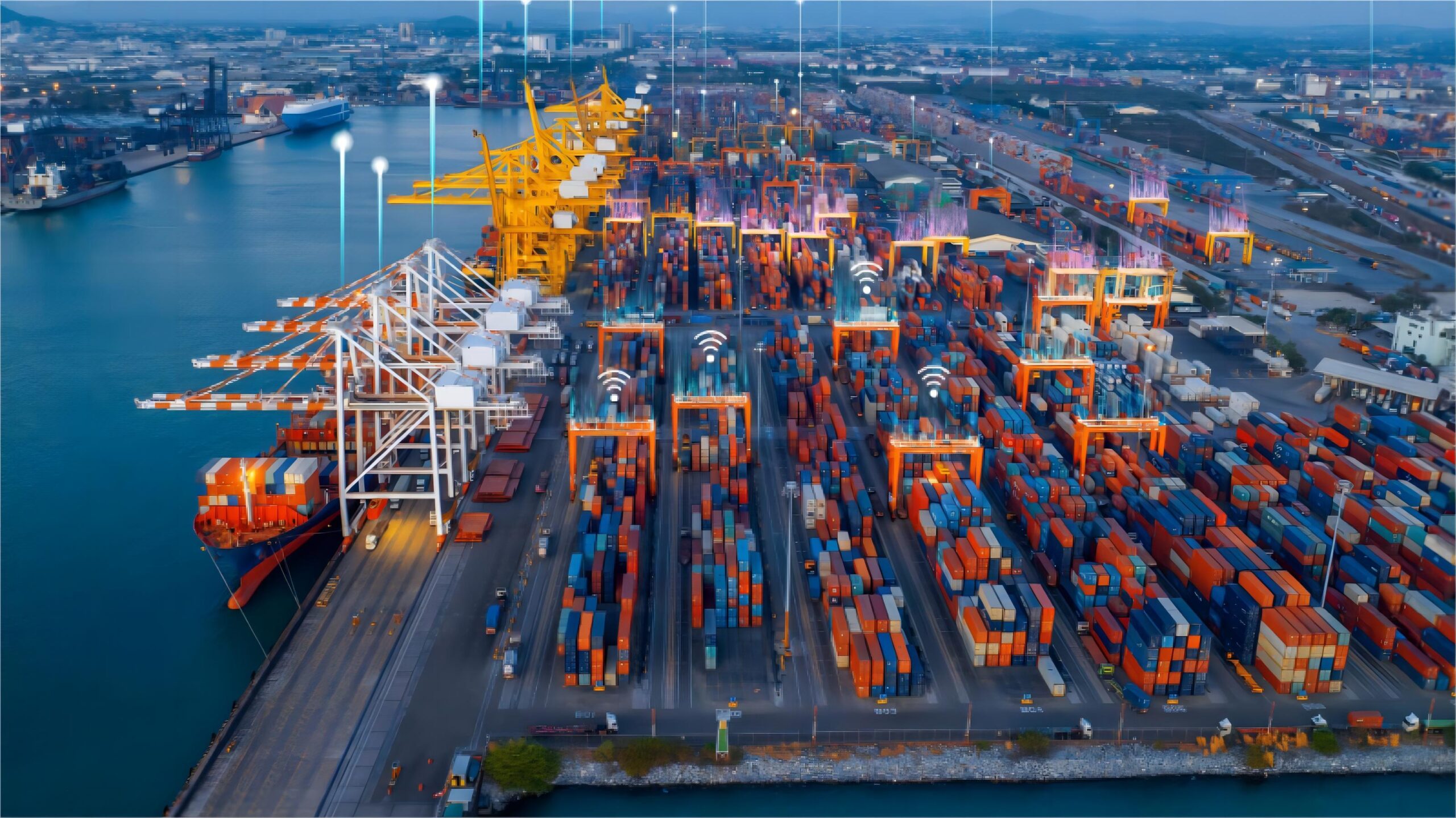
What is China Sea Freight Tracking and Why is it Essential?
China sea freight tracking refers to the process of monitoring the real-time location and status of your cargo as it travels from China via ocean vessels. This critical service provides transparency throughout the entire shipping journey, offering peace of mind to importers.
Effectively, it allows businesses to know precisely where their goods are at any given moment. Moreover, it provides estimated times of arrival (ETAs) and updates on any potential delays, which is crucial for inventory management and production scheduling.
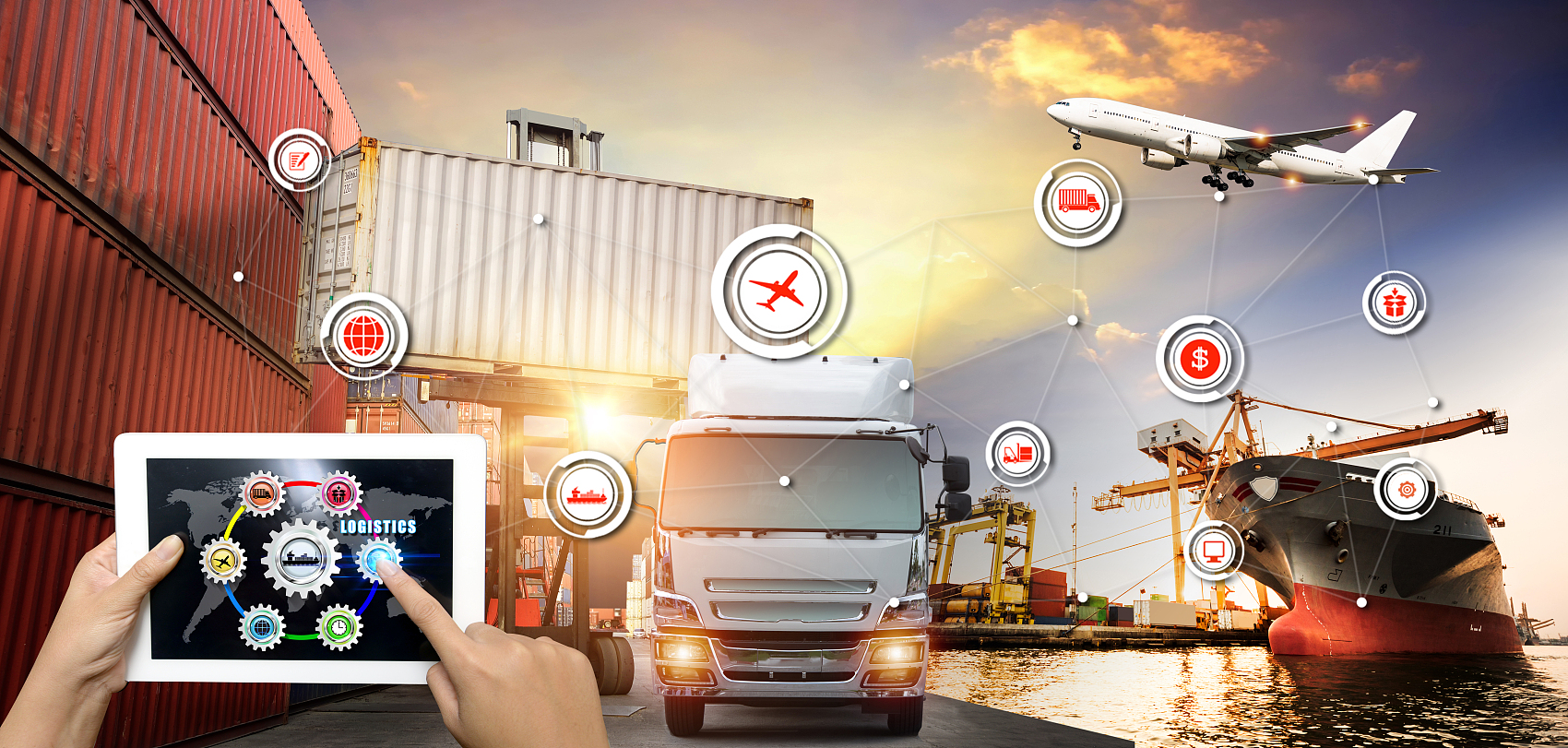
Without a doubt, robust tracking minimizes uncertainty and helps mitigate risks associated with international logistics. Therefore, understanding how to track sea cargo from China efficiently is paramount for modern supply chains.
Furthermore, proactive tracking enables businesses to communicate accurate delivery schedules to their customers, thereby enhancing customer satisfaction and trust. This visibility is invaluable in today’s fast-paced global market.
In essence, it transforms a complex, multi-stage journey into a transparent and manageable process. Ultimately, it empowers importers with the data needed to make informed decisions and react swiftly to unforeseen circumstances.
How Does China Sea Freight Tracking Work?
The process of tracking sea freight from China involves several key steps and identifiers. Initially, every shipment is assigned a unique tracking number, usually linked to the Bill of Lading (BOL).
This BOL number acts as the primary reference for your cargo throughout its journey. Consequently, it allows freight forwarders, shipping lines, and importers to access detailed information about the vessel and container.
When your goods are loaded onto a vessel, the shipping line records the container number and vessel details. Subsequently, this data is updated in their internal systems and often made available through online tracking portals.
As the vessel progresses, satellite and port data continuously feed into these systems. Therefore, real-time container tracking China becomes possible, providing updates on port calls, transshipments, and arrival estimates.
Many advanced tracking platforms aggregate data from multiple carriers and ports. Moreover, they offer a unified interface for comprehensive logistics tracking China ocean freight, simplifying the monitoring process for businesses.
Ultimately, tracking provides visibility from the moment cargo leaves the factory floor until its final destination. This end-to-end transparency is invaluable for managing expectations and planning.
Key Identifiers and Information for Tracking Your Shipment
To successfully monitor your China sea freight, you will typically need specific pieces of information. The most crucial identifier is the Bill of Lading (BOL) number, which is issued by the carrier or freight forwarder.
Alternatively, some systems allow tracking via the container number or booking number. Therefore, it is important to obtain these details from your supplier or logistics provider as early as possible.

Additionally, knowing the vessel name and voyage number can sometimes be helpful, especially for direct tracking on specific shipping line websites. This information provides a more granular view of the ship’s itinerary.
Furthermore, details such as the port of loading (e.g., Shanghai, Ningbo, Shenzhen) and the port of discharge are essential. These locations help verify that the shipment is on the correct route and progressing as expected.
Having access to these identifiers ensures you can look up your shipment’s status across various platforms. Consequently, this enhances your ability to manage your delivery schedule effectively.
Indeed, accurate data input is vital for precise ocean freight tracking China to USA, Europe, or Australia. Any discrepancies can lead to tracking difficulties.
Benefits of Advanced China Sea Freight Tracking for Your Business
Implementing advanced China sea freight tracking offers numerous advantages for importers. First and foremost, it provides unparalleled visibility into your supply chain, allowing for proactive management rather than reactive problem-solving.
This enhanced visibility significantly reduces uncertainty regarding ETA for China sea shipments. Consequently, businesses can better plan inventory levels, production schedules, and distribution, minimizing storage costs and avoiding stockouts.
Moreover, improved tracking contributes to better customer service. Being able to provide accurate, up-to-date information to clients about their orders builds trust and strengthens business relationships.
Advanced systems often include features like automated notifications for milestones and exceptions. Therefore, you receive immediate alerts about delays or changes, enabling swift corrective action.
Ultimately, effective tracking helps optimize logistics operations by identifying bottlenecks and inefficiencies. This can lead to significant cost savings and improved operational efficiency over time.
Consider leveraging door to door services for seamless tracking from factory to final delivery point. This comprehensive approach simplifies your entire logistics process.
Challenges in China Sea Freight Tracking and How to Overcome Them
Despite technological advancements, tracking China sea freight can still present certain challenges. One common issue is data inconsistency across different carriers or tracking platforms.
Occasionally, updates might be delayed, or information may not be harmonized, leading to confusion. Therefore, choosing a reliable freight forwarder with integrated tracking solutions is crucial.
Port congestion and customs delays also impact tracking accuracy, as they can cause unexpected changes to the estimated arrival times. Consequently, monitoring port conditions and customs regulations becomes vital.
Another challenge involves transshipment points, where cargo is transferred between vessels. During these transfers, tracking updates can sometimes be less frequent, creating temporary blind spots.
To overcome these hurdles, partnering with an experienced logistics provider is highly recommended. Such a partner can offer consolidated tracking information and expert assistance in navigating complex situations.
Furthermore, utilizing platforms that integrate data from multiple sources can provide a more holistic view of your cargo’s journey, reducing reliance on single-carrier updates.
How Does Sea Freight Compare to Other Shipping Options?
When importing from China, businesses often weigh sea freight against other shipping methods like air freight, rail freight, and express services. Each option presents distinct advantages and disadvantages based on factors such as cost, speed, and cargo type.
Sea freight is typically the most economical choice for large volumes and heavy goods, offering significant cost savings. However, its transit time is considerably longer compared to air or express options.
Conversely, air freight provides the fastest delivery, ideal for urgent or high-value shipments, but at a much higher cost. Rail freight offers a middle ground for speed and cost for specific routes, particularly to Europe.
For smaller, time-sensitive parcels, an express service is often preferred, combining speed with door-to-door convenience. Each method serves different supply chain needs effectively.
Understanding these trade-offs is essential for making informed decisions. Businesses must evaluate their priorities, whether it’s budget, speed, or cargo specifications, to select the optimal shipping solution.
Which Option Should You Choose?
Your choice of shipping method should align with your specific business needs and priorities. Consider the following criteria to determine the best fit for your imports from China.
| Shipping Method | Cost Range (per kg/CBM) | Transit Time (China to Europe) | Best For | Limitations |
|---|---|---|---|---|
| Sea Freight (FCL) | $35-65/CBM | 28-35 days | Large, heavy, non-urgent cargo; cost-effective | Slowest, port congestion risks |
| Sea Freight (LCL) | $60-100/CBM | 35-45 days | Smaller volumes (under 15 CBM); cost-effective | Slower than FCL, potential for delays |
| Rail Freight | $0.50-1.50/kg | 18-25 days | Medium urgency, bulk cargo to Europe; balanced cost/speed | Limited routes, capacity constraints |
| Air Freight | $5-10/kg | 5-7 days | Urgent, high-value, perishable goods; fastest | Most expensive, weight/volume restrictions |
| Express Service | $8-15/kg | 3-5 days | Small, urgent parcels, samples; door-to-door | Very expensive for larger shipments |
Real-World China Sea Freight Tracking: Case Studies
To illustrate the practical application and benefits of effective China sea freight tracking, let’s examine a few real-world scenarios. These examples highlight diverse routes, cargo types, and the importance of detailed tracking for successful delivery.
Case Study 1: Navigating Peak Season to North America
This case study demonstrates managing a significant volume of goods during a high-demand period, emphasizing the need for meticulous tracking to avoid disruptions.
| Detail | Description |
|---|---|
| Route | Ningbo, China Los Angeles, USA |
| Cargo | Electronic components, 35 CBM, 12,000 kg |
| Container | 1 x 40HQ |
| Shipping Details | Carrier: COSCO, Port of Loading: Ningbo, Port of Discharge: Los Angeles, Route Type: Direct |
| Cost Breakdown (Q4 2024) | Ocean Freight: $3,800, Origin Charges: $450, Destination Charges: $550, Customs & Duties (estimated): $1,200, Total Landed Cost: $6,000 |
| Timeline | Booking to Loading: 7 days, Sea Transit: 16 days, Customs Clearance: 3 days, Total Door-to-Door: 26 days |
| Key Insight | Proactive booking and real-time vessel tracking were crucial to secure space and monitor port congestion during peak season. Timely updates allowed for efficient drayage planning. |
Case Study 2: LCL Shipment to Europe with Multiple Suppliers
This scenario highlights the complexities of consolidating LCL cargo from various suppliers and the role of tracking in managing multiple pick-ups and ensuring seamless integration.
| Detail | Description |
|---|---|
| Route | Shenzhen, China Rotterdam, Netherlands |
| Cargo | Textiles and apparel, 10 CBM, 3,500 kg |
| Container | LCL 10 CBM |
| Shipping Details | Carrier: Maersk (via freight consolidator), Port of Loading: Shenzhen, Port of Discharge: Rotterdam, Route Type: Transshipment via Singapore |
| Cost Breakdown (Q1 2025) | Ocean Freight: $950, Origin Charges: $300, Destination Charges: $400, Customs & Duties (estimated): $700, Total Landed Cost: $2,350 |
| Timeline | Booking to Loading: 10 days (consolidation), Sea Transit: 30 days, Customs Clearance: 4 days, Total Door-to-Door: 48 days |
| Key Insight | Detailed cargo tracking from multiple suppliers to the consolidation warehouse was vital. The freight forwarder’s comprehensive tracking portal provided continuous updates, including transshipment status. |
Case Study 3: Large Project Cargo to Australia
This example showcases a significant project cargo shipment, where precise tracking and coordination are paramount due to the size and value of the goods.
| Detail | Description |
|---|---|
| Route | Shanghai, China Sydney, Australia |
| Cargo | Industrial machinery, 55 CBM, 18,000 kg |
| Container | 1 x 40HQ |
| Shipping Details | Carrier: MSC, Port of Loading: Shanghai, Port of Discharge: Sydney, Route Type: Direct |
| Cost Breakdown (Q2 2025) | Ocean Freight: $2,000, Origin Charges: $500, Destination Charges: $600, Customs & Duties (estimated): $1,500, Total Landed Cost: $4,600 |
| Timeline | Booking to Loading: 8 days, Sea Transit: 15 days, Customs Clearance: 2 days, Total Door-to-Door: 28 days |
| Key Insight | Real-time vessel tracking and port updates were critical for coordinating specialized unloading equipment at Sydney. Customs brokerage expertise ensured smooth clearance for specialized equipment. |
Optimizing Your Supply Chain with Enhanced Tracking
Beyond simply knowing where your cargo is, advanced China sea freight tracking offers opportunities to significantly optimize your entire supply chain. By leveraging detailed tracking data, businesses can identify patterns and make data-driven decisions.
For example, analyzing transit times and potential delay points can lead to more accurate lead time predictions. This, in turn, allows for better inventory planning and reduces the need for expensive expedited shipping options.
Furthermore, integrating tracking data with your enterprise resource planning (ERP) systems provides a holistic view of your operations. Consequently, this integration streamlines workflows and enhances overall operational efficiency.
Moreover, consistent tracking data can help evaluate carrier performance. By comparing actual transit times against promised schedules, you can identify the most reliable shipping lines and freight forwarders for future shipments.
Consider exploring specialized services like Amazon FBA logistics, which often come with integrated tracking solutions tailored for e-commerce. Such services ensure your products reach fulfillment centers efficiently.
Ultimately, a well-optimized supply chain, supported by robust China sea freight tracking, leads to reduced costs, improved delivery performance, and a stronger competitive edge in the market.
Conclusion: Master Your China Sea Freight Tracking
Effective China sea freight tracking is no longer a luxury but a necessity for businesses engaged in international trade. It provides the transparency, control, and foresight required to manage complex supply chains efficiently.
By understanding the tracking process, utilizing key identifiers, and leveraging advanced tracking solutions, importers can significantly reduce risks and enhance operational efficiency. Consequently, this leads to improved customer satisfaction and substantial cost savings.
Whether you are shipping to <a href=”https://chinatopfreight.com/shipping-from-china-to-north-america/”>North America</a>, <a href=”https://chinatopfreight.com/shipping-from-china-to-europe/”>Europe</a>, or <a href=”https://chinatopfreight.com/shipping-from-china-to-australia/”>Australia</a>, mastering your China sea freight tracking will undoubtedly empower your business. Embrace these strategies to gain a competitive advantage in the global market and ensure your cargo arrives on time, every time.
Ready to streamline your logistics?
Ready to streamline your China sea freight tracking and ensure unparalleled visibility for your imports? Contact our experts today for a personalized consultation and a competitive quote. Let us help you navigate the complexities of global logistics with ease and efficiency.
Request Quote