

- By carlie tj
- September 4, 2025
- Tips or Guide, Transport
For Canadian businesses, importing goods from China is essential for staying competitive in retail, manufacturing, and e-commerce. However, many importers struggle to calculate the real China shipping to Canada costs and delivery times due to varying freight rates, customs duties, and logistics challenges. At China Top Freight, we provide transparent rates, reliable transit schedules, and expert customs support. This guide covers costs, methods, documentation, and best practices to optimize your supply chain.
1. What Are the Main Methods of Shipping from China to Canada?
Importers typically choose among three shipping methods:
- Sea Freight (FCL & LCL): Best for bulk cargo at the lowest unit cost.
- Air Freight: Ideal for urgent or high-value shipments.
- Courier Services (DHL, UPS, FedEx): Fast but more expensive, suitable for parcels.
Sea freight dominates because it balances cost and capacity for most businesses.
2. How Much Does China Shipping to Canada Cost?
Freight costs vary depending on the shipping method, cargo size, and port.
| Method | Average Cost (USD) | Transit Time | Best For |
|---|---|---|---|
| LCL (Less than Container Load) | $35–$55 per CBM | 30–38 days | Small shipments |
| FCL 20ft Container | $2,000–$2,800 | 25–32 days | Medium cargo |
| FCL 40ft Container | $3,500–$5,200 | 25–32 days | Large shipments |
| Air Freight | $5–$8 per kg | 5–9 days | Urgent goods |
Rates increase during peak seasons, particularly before Chinese New Year and the holiday retail surge.
3. How Long Does Shipping from China to Canada Take?
Transit times depend on origin and destination ports.
- Shanghai to Vancouver: 25–28 days by sea, 5–7 days by air
- Shenzhen to Toronto: 30–35 days by sea, 6–8 days by air
- Ningbo to Montreal: 32–36 days by sea, 7–9 days by air
Additionally, importers should allow 2–5 days for customs clearance and inland transportation.
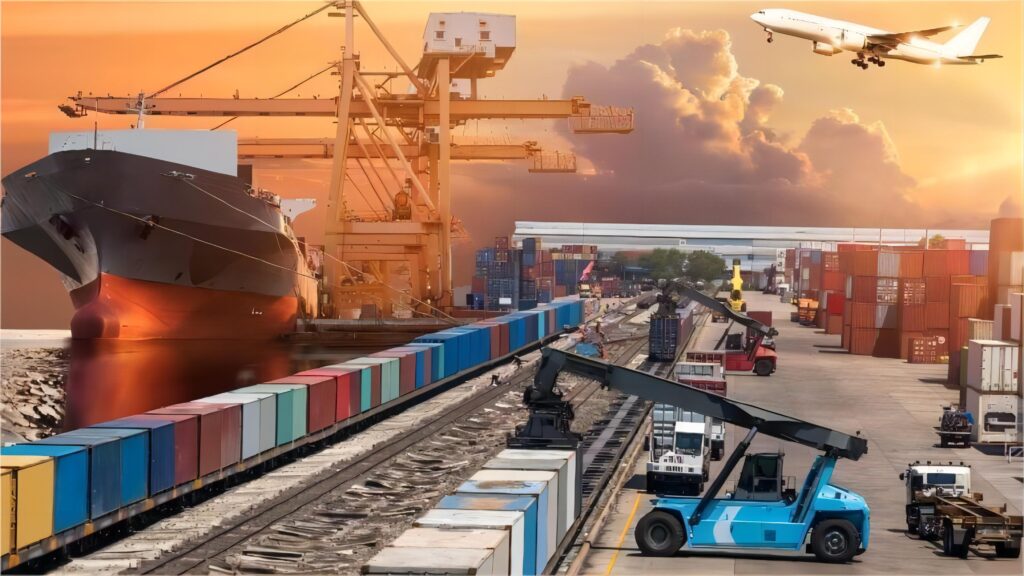
4. Why Do Businesses Choose Sea Freight Over Air Freight?
Air freight is faster but much costlier than sea freight.
| Factor | Sea Freight | Air Freight |
|---|---|---|
| Cost | $35–$55 per CBM | $5–$8 per kg |
| Transit Time | 25–38 days | 5–9 days |
| Cargo Volume | Suitable for bulk cargo | Suitable for urgent goods |
| Sustainability | Lower CO₂ per ton | Higher emissions |
Therefore, sea freight is the preferred option for large orders, while air freight serves time-sensitive shipments.
5.How to Avoid Delays When Shipping from China to Canada?
Delays can be costly for importers. To minimize risks:
- Ensure all documents are accurate and submitted early.
- Book shipments in advance during peak seasons.
- Choose suppliers who comply with export requirements.
- Partner with experienced freight forwarders who handle customs smoothly.
These steps help businesses maintain predictable delivery schedules.
6.Which Ports Are Commonly Used for China–Canada Shipping?
The most common Chinese departure ports include Shanghai, Shenzhen, and Ningbo. On the Canadian side, the main arrival ports are Vancouver, Toronto, and Montreal. Vancouver is the busiest gateway, offering shorter sailing times and better connections to rail transport across Canada.
7.Conclusion
The China shipping to Canada process involves balancing cost, speed, and customs requirements. Sea freight is the most economical choice for bulk cargo, while air freight suits urgent deliveries. By consolidating shipments, preparing accurate documents, and working with an experienced freight forwarder, businesses can cut costs and avoid delays. Partnering with China Top Freight ensures transparent pricing, efficient customs clearance, and long-term logistics success.
8. Request a Quote
China Top Freight offers:
- ✅ Origin and Destination Countries
- ✅ Cargo Type and Volume
- ✅ Preferred Transport Method (Air, Sea, Rail, Road)
- ✅ Delivery Timeline
- ✅ Special Handling Requirements (if any)
9. FAQ
Q1: What is the cheapest way to ship from China to Canada?
The cheapest way is sea freight. LCL works for small shipments, while FCL is more cost-efficient for larger loads. Consolidating cargo further reduces costs.
Q2: How much does air freight cost from China to Canada?
Air freight typically costs $5–$8 per kilogram depending on airline, cargo type, and urgency. It is the fastest option but more expensive than sea freight.
Q3: Are there restricted items when importing to Canada from China?
Restricted goods include hazardous chemicals, firearms, and certain foods. Electronics, medical devices, and agricultural products may require special permits.
Q4: How are customs duties calculated for Canada imports?
Duties depend on product classification under HS codes, declared value, and Canada’s tariff schedules. Importers also pay GST and handling fees.
Q5: Do I need cargo insurance when shipping from China to Canada?
Cargo insurance is strongly recommended to protect against risks such as loss, theft, or damage during transit, whether shipping by sea or air.