

- By carlie tj
- September 12, 2025
- Tips or Guide, Transport
Importers searching for reliable China shipping to Philippines services often face challenges balancing cost, speed, and customs compliance. Partnering with China Top Freight ensures affordable shipping solutions, transparent costs, and smooth delivery to Philippine ports or door-to-door locations.
1. What Are the Main Methods for China Shipping to Philippines?
Importers can choose between sea freight, air freight, and express courier services depending on urgency, cargo size, and budget.
| Method | Average Cost (USD) | Transit Time | Best For |
|---|---|---|---|
| Sea Freight | $80–$120 per CBM | 10–18 days | Bulk, heavy cargo |
| Air Freight | $5–$7 per kg | 3–7 days | Urgent, high-value goods |
| Express Courier | $8–$12 per kg | 2–5 days | Samples, small parcels |
2. How Much Does China Shipping to Philippines Cost?
The cost of China shipping to Philippines depends on cargo weight, dimensions, and service type. Sea freight is most economical for full container loads, while air freight benefits small, high-value shipments.
| Container Size | Estimated Cost (USD) | Transit Time | Notes |
|---|---|---|---|
| 20ft FCL | $1,000–$1,500 | 10–15 days | Best for SMEs |
| 40ft FCL | $1,600–$2,400 | 12–18 days | Suitable for bulk goods |
3. How Long Does It Take for China Shipping to Philippines?
- Sea Freight (FCL/LCL): 10–18 days
- Air Freight: 3–7 days
- Courier: 2–5 days
Additionally, customs clearance in the Philippines can take 2–4 days depending on paperwork and inspections.
4. What Customs Documents Are Required for Imports into the Philippines?
To avoid delays, importers should prepare:
- Commercial Invoice
- Packing List
- Bill of Lading or Air Waybill
- Import Entry Declaration (IED)
- Bureau of Customs Clearance Documents
- Certificate of Origin (for certain goods)
5. Why Choose Sea Freight for China Shipping to Philippines?
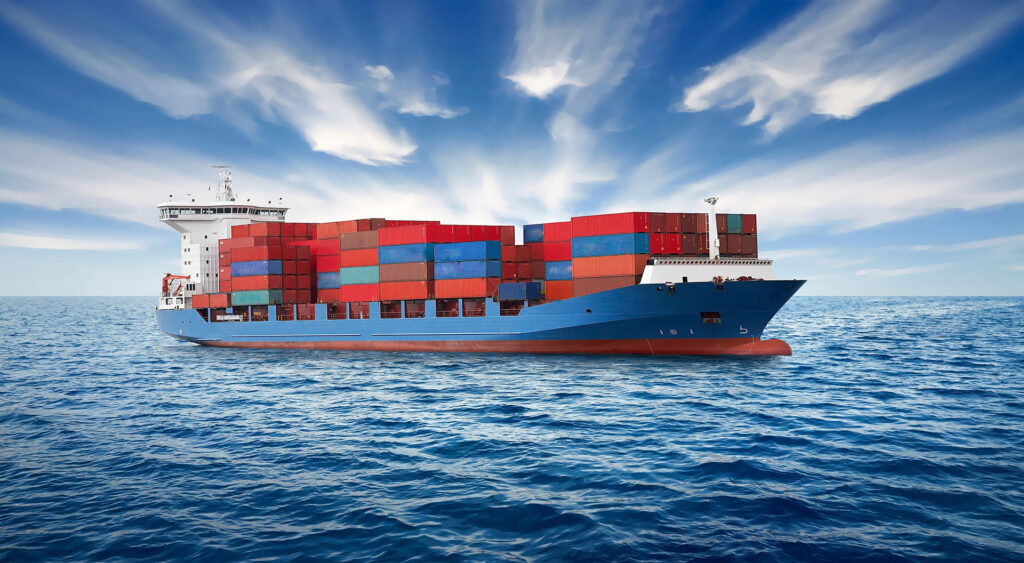
Sea freight is the most cost-effective method, especially for heavy goods like machinery, textiles, or electronics. Moreover, shipping lines frequently connect major Chinese ports with Manila, Cebu, and Davao.
6.How Do Seasonal Trends Impact China Shipping to Philippines?
Shipping rates often increase before:
- Chinese New Year (January–February)
- Peak holiday seasons (September–December)
- Golden Week in China (October)
Planning shipments early helps avoid high freight costs and delays.
Managing China shipping to Philippines requires choosing the right freight method, preparing proper customs documentation, and working with a reliable logistics partner. China Top Freight provides tailored sea, air, and courier solutions to reduce costs and improve efficiency. Request your shipping quote today.
7.Conclusion
The process of China shipping to Philippines can be cost-effective and efficient when businesses choose the right method. Sea freight is best for bulk shipments, while air and courier services serve urgent deliveries. Preparing documentation and understanding customs duties reduces delays and unexpected expenses. By working with a trusted partner like China Top Freight, importers can streamline logistics and ensure timely delivery.
8. Request a Quote
China Top Freight offers:
- ✅ Origin and Destination Countries
- ✅ Cargo Type and Volume
- ✅ Preferred Transport Method (Air, Sea, Rail, Road)
- ✅ Delivery Timeline
- ✅ Special Handling Requirements (if any)
💬9. FAQ
Q1: What is the cheapest way to ship goods from China to the Philippines?
The most affordable method is sea freight, particularly LCL or FCL, depending on shipment size, as it minimizes per-unit transport costs.
Q2: Do I need import licenses for all goods shipped to the Philippines?
Certain items such as food, electronics, and pharmaceuticals require special permits, while general merchandise typically clears with standard documents.
Q3: How can I speed up customs clearance in the Philippines?
Ensure all documents are accurate, work with experienced brokers, and pre-file declarations to reduce delays at Bureau of Customs checkpoints.
Q4: Is air freight worth the cost for China–Philippines shipments?
It’s worthwhile for urgent deliveries, fragile items, or high-value cargo where reduced transit time outweighs higher per-kilogram shipping expenses.
Q5: Can small businesses benefit from freight consolidation services?
Yes, consolidators combine multiple shipments into one container, allowing SMEs to share costs and avoid paying for unused container space.