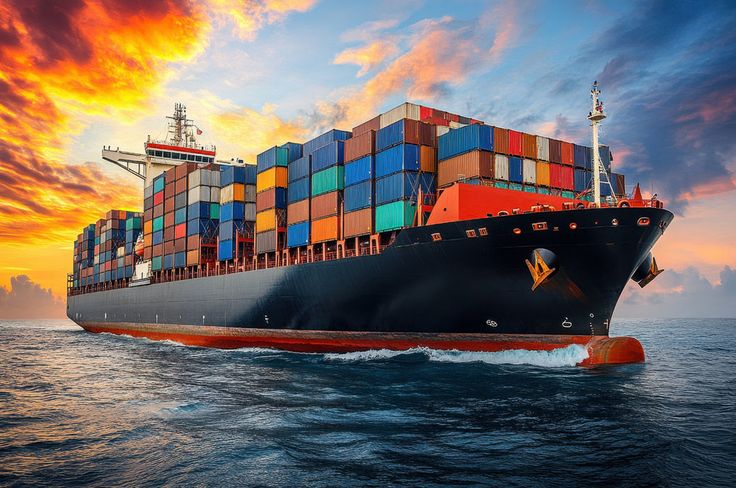
Importers often face challenges when planning China to Australia freight, such as high costs, long transit times, and customs complexities. However, by selecting the right shipping method and working with reliable freight forwarders, businesses can optimize their supply chain. Whether through sea freight, air freight, courier services, or multimodal transport, importers have flexible options for managing costs and delivery schedules.
What Shipping Options Exist for China to Australia Freight?
Shipping Method
Average Transit Time
Cost Range
Best For
Pros
Cons
Sea Freight (FCL)
18–25 days
$2,200–$2,800 per 20ft
Bulk cargo
Cheapest per unit
Slow
Sea Freight (LCL)
20–28 days
$75–$100 per CBM
Small businesses
Shared cost
More handling
Air Freight
5–9 days
$5–$9 per kg
Urgent shipments
Fast, secure
Expensive
Courier/Express
3–6 days
$9–$15 per kg
Parcels & e-commerce
Door-to-door
Costly for bulk
Why Is China to Australia Freight So Important?
China is Australia’s largest trading partner, exporting machinery, electronics, clothing, and household goods. As a result, efficient freight services are vital to keep businesses stocked and competitive in local markets.
How Much Does China to Australia Freight Cost?
Shipment Type
Mode
Estimated Cost
Small parcel (1–5 kg)
Courier
$10–$14 per kg
100–300 kg cargo
Air Freight
$5–$7 per kg
1 CBM LCL
Sea Freight
$80–$100
20ft container
Sea Freight
$2,200–$2,800
40ft container
Sea Freight
$3,900–$4,600
Note:Rates vary based on fuel prices, seasonality, and port handling charges.
Import Declaration with the Australian Border Force (ABF)
Certificates for restricted goods (e.g., health, agriculture)
Accurate documents help avoid customs delays and additional storage charges.
Should You Choose FCL or LCL for Sea Freight?
FCL (Full Container Load): Cost-effective for bulk goods, offers more security and less handling.
LCL (Less than Container Load): Affordable for small importers, but involves longer consolidation and deconsolidation times.
How Do Transit Times Compare by Mode?
Mode
Transit Time
Notes
Sea Freight
18–28 days
Best for bulk
Air Freight
5–9 days
Fast, reliable
Courier
3–6 days
Ideal for small parcels
Air freight is preferred for urgent items, while sea freight remains the cheapest choice for bulk trade.
What Are the Key Factors Affecting China to Australia Freight?
Cargo weight and dimensions
Chosen shipping mode
Seasonal demand (Christmas, Chinese New Year)
Port congestion in Sydney and Melbourne
Customs inspections and biosecurity checks
How Can Importers Reduce Freight Costs?
Use LCL for smaller volumes
Ship outside peak seasons to avoid surcharges
Partner with freight forwarders offering consolidated services
Optimize packaging to lower volumetric charges
Consider alternative ports like Brisbane to avoid congestion in Sydney
Do Couriers Help with E-Commerce Shipping?
Yes. Couriers like DHL, FedEx, and UPS provide:
Door-to-door delivery
Customs clearance assistance
Real-time tracking
Affordable consolidated shipping for SMEs
This makes them attractive for online sellers shipping smaller parcels.
What Role Does Air Freight Play in China–Australia Trade?
Air freight is crucial for high-value, time-sensitive goods such as:
Electronics
Pharmaceuticals
Fashion items with seasonal demand
Urgent samples or spare parts
Although costly, air freight guarantees faster and more predictable delivery.
Final Thoughts
Managing China to Australia freight requires balancing cost, speed, and compliance with customs regulations. While sea freight is best for bulk goods, air freight and courier services serve urgent and smaller shipments. By working with experienced freight forwarders, businesses can minimize expenses, avoid delays, and keep supply chains running smoothly.