

China to Australia Freight Forwarding: Your Complete Guide
“Shipping goods from China to Australia involves navigating a complex logistics landscape. Businesses often face challenges like varying transit times, fluctuating freight rates, and intricate customs regulations. Fortunately, understanding the best practices for China to Australia freight forwarding can simplify this process. This comprehensive guide will equip you with the knowledge to make informed decisions, ensuring your cargo reaches its destination efficiently and cost-effectively.”
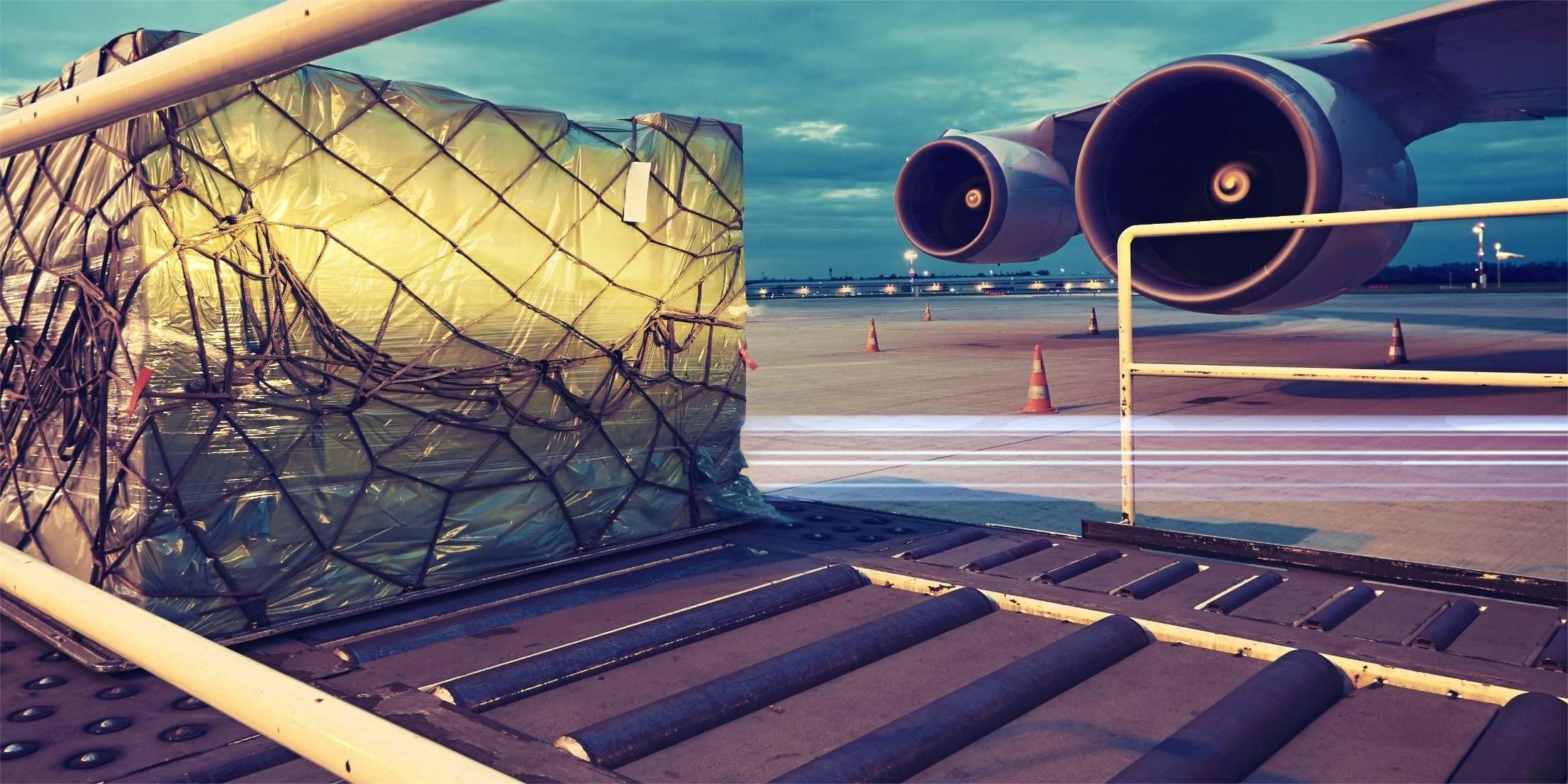
Why is China to Australia Freight Forwarding So Important?
❖Australia relies heavily on a robust supply chain for imports from China, encompassing everything from consumer electronics to industrial machinery. Efficient freight forwarding is, therefore, crucial for maintaining business operations and meeting consumer demand. Without a streamlined process, businesses risk stockouts, increased costs, and reputational damage.
Moreover, effective logistics directly impacts supply chain stability, inventory management, and ultimately, a company’s profitability. Understanding the nuances of this specific trade route is vital for any enterprise engaged in international trade between these two significant economies. Consequently, strategic planning in this area offers a distinct competitive advantage.
Understanding Your Shipping Options from China to Australia
❖When importing from China to Australia, several shipping methods are available, each presenting distinct advantages and disadvantages. Your optimal choice primarily depends on crucial factors like cargo volume, desired urgency, and budgetary constraints. Accordingly, selecting the appropriate mode of transport represents a critical initial step in your overall logistics planning.
Each option offers a unique balance of cost, speed, and capacity. Therefore, a thorough evaluation of your specific requirements is essential before committing to a particular shipping method. This careful consideration will help optimize your China to Australia freight forwarding strategy.
Sea Freight: The Economical Choice for Bulk Cargo
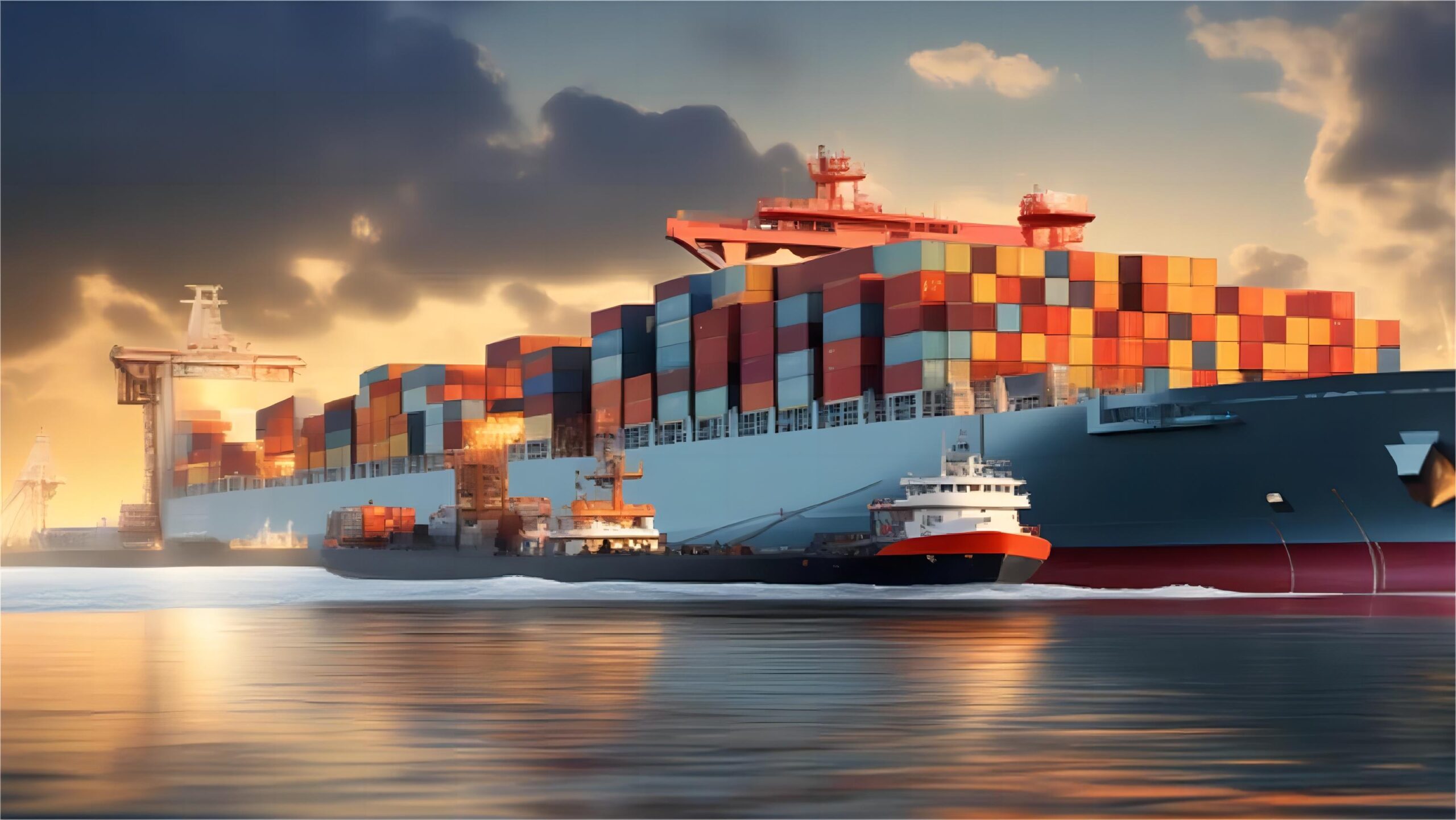
Sea freight is, by far, the most popular and cost-effective option for shipping large volumes of goods from China to Australia. It is ideally suited for heavy, bulky, or non-urgent shipments, offering significant cost savings compared to air transport. Despite longer transit times, its affordability makes it the preferred choice for bulk commodities, manufactured goods, and raw materials.
Furthermore, sea freight accommodates both Full Container Load (FCL) and Less than Container Load (LCL) shipments. FCL involves renting an entire container, suitable for large volumes, whereas LCL allows multiple shippers to share container space, proving economical for smaller consignments. Consequently, understanding these options is key to managing shipping costs from China to Australia effectively.
| Feature | FCL (Full Container Load) | LCL (Less than Container Load) |
|---|---|---|
| Volume | 20GP/40GP/40HQ (15-68 CBM) | Less than 15 CBM |
| Cost Efficiency | Lower per CBM for large volumes | Higher per CBM, but lower total for small volumes |
| Transit Time | Faster (direct route possible) | Slower (requires consolidation/deconsolidation) |
| Flexibility | High, dedicated container | Low, shared space |
Air Freight: For Speed and Urgency
For time-sensitive shipments, air freight offers the fastest transit times, drastically reducing the delivery window compared to sea freight. While significantly more expensive, it is indispensable for high-value goods, perishable items, or urgent replenishment of stock. Moreover, air freight typically provides greater security, enhanced tracking capabilities, and reduced risk of damage.
However, air freight rates from China to Australia are calculated based on either actual weight or volumetric weight, whichever is greater. This method makes it uneconomical for very bulky or heavy goods. Therefore, businesses must weigh the premium cost against the urgency and value of their cargo. This is a crucial consideration when evaluating logistics solutions China Australia.
Express Service: Door-to-Door Convenience
Express service, often provided by integrated carriers like DHL, FedEx, or UPS, combines speed with comprehensive door-to-door delivery. This option is perfect for small packages, samples, urgent documents, or high-value items where speed and convenience are paramount. It offers simplified booking and tracking processes.
Although generally the most expensive per kilogram, express courier China to Australia offers unparalleled convenience and expedited customs clearance. The all-inclusive nature of the service, from pickup to final delivery, minimizes logistical headaches for the shipper. Consequently, it’s an excellent choice for businesses prioritizing speed and minimal involvement.

Key Factors Influencing China to Australia Shipping Costs and Transit Times
❖Numerous variables collectively determine the total shipping cost and estimated transit times China Australia. Understanding these factors allows businesses to more accurately budget and plan their logistics operations. Therefore, careful consideration of each element is essential for optimizing your freight forwarding strategy and avoiding unexpected expenses.
These elements can fluctuate significantly, necessitating a flexible approach to supply chain management China Australia. Proactive monitoring of market conditions and effective communication with your freight forwarder are crucial for navigating these complexities successfully.
Freight Rates and Surcharges
Base freight rates fluctuate based on market demand, global fuel prices, and carrier capacity. These rates are highly dynamic and can change weekly or even daily, especially for air freight. Additionally, various surcharges, such as Bunker Adjustment Factor (BAF) for fuel, Currency Adjustment Factor (CAF), and Peak Season Surcharges (PSS), can significantly impact the final cost.
Furthermore, General Rate Increases (GRIs) are common during periods of high demand, particularly before major holidays in China or Australia. These dynamic elements require constant monitoring and expert negotiation to secure the best shipping costs from China to Australia. A reliable freight forwarder can provide up-to-date information and competitive pricing.
Cargo Volume and Weight
The dimensions and weight of your cargo directly influence the most suitable shipping method and associated cost. Larger volumes typically benefit from Full Container Load (FCL) sea freight, offering economies of scale. Conversely, smaller shipments might find Less than Container Load (LCL) sea freight or air freight more appropriate.
For air freight, charges are often based on volumetric weight if the cargo is light but bulky, rather than its actual weight. Consequently, accurate measurement and proper packaging are crucial for obtaining precise quotes and preventing unexpected charges. Efficient cargo handling China to Australia starts with precise cargo details.
Origin and Destination Ports
Major Chinese ports like Shanghai, Ningbo, Shenzhen, and Guangzhou offer more frequent sailings and competitive rates due to higher traffic volumes. Similarly, Australia’s primary entry points include Sydney, Melbourne, Brisbane, and Fremantle. The specific port combination directly affects both the transit time and local transport costs.
Choosing less common ports might increase transit times and potentially incur higher feeder costs. Therefore, strategic port selection plays a significant role in optimizing the overall logistics chain. This choice impacts the efficiency of your door to door shipping China to Australia.
Customs Clearance and Documentation
Efficient customs brokerage is absolutely vital for smooth imports into Australia. Proper documentation, including commercial invoices, packing lists, bills of lading, and certificates of origin, prevents delays and potential penalties. Any discrepancies or missing information can lead to significant hold-ups at the border, incurring demurrage or storage fees.
Moreover, understanding Australian import regulations China is critical to avoid issues. A professional freight forwarder or customs broker can ensure all paperwork is correctly prepared and submitted, facilitating a seamless clearance process. This attention to detail minimizes risks and keeps your supply chain moving efficiently.
Navigating Customs and Regulations for Imports to Australia
❖Importing goods into Australia involves strict customs regulations enforced by the Australian Border Force (ABF) and other government agencies. Compliance with these rules is non-negotiable to avoid delays, fines, or even cargo confiscation. Consequently, thorough preparation and a deep understanding of these regulations are paramount for any importer.
Navigating this complex landscape requires diligence and expertise. Furthermore, keeping up-to-date with any changes in import policies or tariffs is essential for continuous compliance. Engaging a professional customs broker can significantly ease this burden.
Essential Documentation for Australian Imports
Accurate and complete documentation is the cornerstone of successful customs clearance. Missing or incorrect paperwork is a leading cause of delays and penalties. Therefore, ensure all required documents are prepared meticulously before shipment. This proactive approach saves time and money.
| Document Type | Purpose | Key Information |
|---|---|---|
| Commercial Invoice | Details of the transaction | Seller/Buyer, Product description, HS code, Value, Quantity |
| Packing List | Contents of each package | Number of packages, Weight, Dimensions, Contents |
| Bill of Lading / Air Waybill | Contract of carriage | Carrier, Shipper, Consignee, Origin/Destination, Goods details |
| Certificate of Origin | Confirms country of manufacture | Country of origin, often required for preferential tariffs |
| Import Permit | Required for restricted goods | Specific permits for certain food, animal, plant products |
Duties, Taxes, and GST on Australian Imports
Importers are typically liable for customs duties, Goods and Services Tax (GST), and potentially other charges such as Wine Equalisation Tax (WET) or Luxury Car Tax (LCT). The specific duty rate depends on the commodity’s Harmonized System (HS) code and its country of origin. Importantly, Australia has free trade agreements with China, which can reduce or eliminate duties on eligible goods if a valid Certificate of Origin is provided.
GST is generally 10% of the customs value, which includes the value of the goods, international transport, and insurance, plus any customs duty. Understanding these financial obligations is critical for accurate landed cost calculations and managing shipping costs from China to Australia effectively. Consulting with a customs expert can clarify these charges.
Prohibited and Restricted Goods to Australia
Australia maintains stringent regulations regarding certain imports, particularly for food products, plants, animals, and some manufactured goods. This is primarily to protect its unique biodiversity and agricultural industries. Importers must diligently verify if their products require special permits, treatments, or are outright prohibited before shipping.
Failure to comply with these restrictions can result in severe penalties, including cargo destruction, significant fines, and delays. Therefore, always check the Australian Border Force and Department of Agriculture, Water and the Environment websites for the latest information on prohibited and restricted imports before you import from China to Australia. This diligence prevents costly setbacks.
How Does Sea Freight Compare to Other Shipping Options from China to Australia?
❖Selecting the optimal shipping method between China and Australia requires a clear understanding of the trade-offs involved. While sea freight is often the default for its cost-efficiency, air freight and express services offer distinct advantages for specific needs. Thus, a comprehensive comparative analysis helps in making informed decisions for your supply chain, balancing speed, cost, and cargo type.
Each method caters to different business priorities and cargo characteristics. Therefore, evaluating your specific requirements against the capabilities of each shipping mode is crucial for effective China to Australia freight forwarding. This comparison empowers you to choose wisely.
| Shipping Method | Cost Range (per kg/CBM) | Transit Time | Best For | Limitations |
|---|---|---|---|---|
| Sea FCL | $1,200-$2,000 per 40HQ container | 12-18 days | Large volumes, heavy goods, non-urgent shipments | Slowest transit, port congestion risks |
| Sea LCL | $50-$80 per CBM | 18-25 days | Smaller volumes (under 15 CBM), cost-sensitive | Slower than FCL, risk of delays during consolidation |
| Air Freight | $4-$8 per kg (chargeable weight) | 3-7 days | Time-sensitive, high-value, perishable goods | High cost, weight/volume restrictions |
| Express Service | $10-$20+ per kg | 2-5 days | Small packages, urgent documents, samples, door-to-door | Highest cost, strict size/weight limits |
Which Option Should You Choose?
The best shipping solution ultimately depends on your specific business priorities and cargo profile. Budget-conscious importers with flexible timelines and large volumes will invariably favor sea freight. Conversely, those requiring rapid delivery for high-value, perishable, or urgent goods should prioritize air or express options.
For instance, if speed is paramount for a new product launch or seasonal collection, air freight, despite its higher air freight rates China to Australia, justifies its cost by enabling quick market entry. Alternatively, if managing inventory levels tightly is key, a combination of sea and air might serve as a hybrid solution. Always evaluate your cargo type, urgency, and cost sensitivity to determine the most suitable logistics solutions China Australia.

Optimizing Your China to Australia Freight Forwarding Strategy
❖An optimized freight forwarding strategy can lead to significant cost savings, improved delivery times, and enhanced supply chain resilience. Proactive planning and leveraging expert services are key components of achieving these benefits. Therefore, businesses should continuously seek ways to enhance their logistics operations and adapt to market changes.
Moreover, staying informed about global logistics trends and fostering strong relationships with your freight forwarder can provide a distinct competitive edge. This ongoing effort ensures your China to Australia freight forwarding remains efficient and cost-effective.
Consolidation and LCL Shipments for Efficiency
For businesses with smaller volumes that do not warrant a full container, consolidating multiple shipments into a single LCL sea freight container can significantly reduce costs. Freight forwarders often provide this valuable service, combining cargo from various shippers to maximize container space. This approach makes it an economical choice for moderate quantities, optimizing freight rates China to Australia.
Furthermore, consolidation reduces the environmental footprint per shipment by making efficient use of vessel capacity. However, it’s important to note that LCL shipments typically have longer transit times due to the additional steps of consolidation at the origin and deconsolidation at the destination port. Therefore, planning ahead is crucial when choosing this option.
Leveraging Door-to-Door Services
Opting for door-to-door services simplifies the entire logistics process, making it incredibly convenient for importers. With this comprehensive solution, your freight forwarder handles every aspect, from pickup at the supplier’s factory in China to final delivery at your Australian warehouse. This minimizes administrative burden and significantly reduces the potential for delays.
Moreover, a single point of contact for the entire journey provides greater transparency and accountability. This service is especially beneficial for businesses without extensive in-house logistics teams, offering peace of mind and streamlined operations. It’s an excellent way to manage the complexities of international shipping seamlessly.
The Role of a Reliable Freight Forwarder
Partnering with an experienced and reputable freight forwarder is invaluable for navigating the complexities of international shipping. They possess deep expertise in international shipping regulations, customs clearance procedures, and carrier negotiations. A good forwarder acts as an extension of your logistics team, ensuring smooth and compliant operations while finding the best freight rates China to Australia.
Indeed, they can offer crucial advice on optimizing routes, managing documentation, and mitigating risks. Choosing the best freight forwarder China to Australia can make a substantial difference in the efficiency and cost-effectiveness of your supply chain. Look for partners with a proven track record and strong communication skills.
Amazon FBA Shipping from China to Australia
For businesses selling on Amazon Australia, specialized Amazon FBA shipping services from China are essential. These services manage the entire process of getting your inventory from Chinese factories directly to Amazon’s fulfillment centers in Australia. This involves precise labeling, packaging, and adherence to Amazon’s strict delivery appointments and requirements.
Furthermore, FBA services often include customs clearance and local delivery within Australia, ensuring your products are shelf-ready upon arrival at Amazon. This streamlines your e-commerce operations, allowing you to focus on sales and marketing rather than complex logistics. It’s a critical component for successful online retail in Australia.
Real-World Scenarios: China to Australia Freight Forwarding Case Studies
❖To illustrate the practical application of these shipping strategies, let’s examine a few real-world case studies. These examples highlight how different factors, such as cargo type, urgency, and volume, influence the choice of shipping method and overall logistics outcomes. They also demonstrate typical rates as of early 2025, offering realistic insights into shipping costs from China to Australia.
These scenarios underscore the importance of tailored solutions and the value of an experienced freight forwarder in navigating the dynamic international trade environment. Each case provides a clear picture of what to expect when importing from China to Australia.
Case Study 1: Large Volume, Non-Urgent Consumer Goods
A Sydney-based retailer needed to import a large consignment of mixed household electronics from a factory in Shenzhen. Cost-efficiency was the primary driver, with a moderate lead time available before their peak sales season. The goods were durable and not time-sensitive, making sea freight the most logical choice.
| Detail | Description |
|---|---|
| Route | Shenzhen, China -> Sydney, Australia |
| Cargo | Mixed household electronics, 25,000 kg, 60 CBM |
| Container | 40HQ FCL |
| Shipping Details | Carrier: COSCO, POL: Shenzhen, POD: Sydney, Route Type: Direct |
| Cost Breakdown (Q1 2025) | Ocean Freight: $1,850; Origin Charges: $350; Destination Charges: $450; Customs & Duties (est.): $1,200; Total Landed Cost: $3,850 |
| Timeline | Booking to Loading: 5 days; Sea Transit: 16 days; Customs Clearance: 2 days; Total Door-to-Door: 25 days |
| Key Insight | Choosing a direct FCL service provided optimal cost-efficiency and a predictable schedule for this large, non-urgent shipment, aligning perfectly with the retailer’s budget and timeline. Note: Freight rates are subject to change based on fuel costs, carrier capacity, and seasonal demand. Contact us for a current quote tailored to your specific shipment. |
Case Study 2: Urgent Fashion Apparel for Seasonal Launch
An e-commerce fashion brand in Melbourne required a quick replenishment of popular apparel items from Guangzhou for an upcoming seasonal sale. Speed was critical to capture market demand and avoid missing out on peak sales opportunities. The relatively high value and urgency made air freight the preferred option.
| Detail | Description |
|---|---|
| Route | Guangzhou, China -> Melbourne, Australia |
| Cargo | High-fashion apparel, 500 kg, 3 CBM |
| Container | Air Cargo (Consolidated) |
| Shipping Details | Carrier: Cathay Pacific Cargo (via HKG), POL: Guangzhou, POD: Melbourne, Route Type: Transshipment |
| Cost Breakdown (Q1 2025) | Air Freight: $2,250 (approx. $4.50/kg); Origin Charges: $180; Destination Charges: $250; Customs & Duties (est.): $500; Total Landed Cost: $3,180 |
| Timeline | Booking to Loading: 2 days; Air Transit: 3 days; Customs Clearance: 1 day; Total Door-to-Door: 7 days |
| Key Insight | Despite higher costs, air freight was essential for rapid market entry, allowing the brand to capitalize on seasonal demand for fashion apparel and minimize lost sales opportunities. Note: Freight rates are subject to change based on fuel costs, carrier capacity, and seasonal demand. Contact us for a current quote tailored to your specific shipment. |
Case Study 3: Small, High-Value Components for Manufacturing
A Perth-based manufacturer needed to import specialized electronic components from Shanghai. The shipment was relatively small but critical for their production line and high in value. Any delay would halt manufacturing, making speed and reliability paramount. An express service was chosen for its guaranteed swift delivery.
| Detail | Description |
|---|---|
| Route | Shanghai, China -> Perth, Australia |
| Cargo | Specialized electronic components, 25 kg, 0.2 CBM |
| Container | Express Package |
| Shipping Details | Carrier: DHL Express, POL: Shanghai, POD: Perth, Route Type: Direct Express |
| Cost Breakdown (Q1 2025) | Express Freight: $450 (approx. $18/kg, includes door-to-door); Origin/Destination Charges: Included; Customs & Duties (est.): $150; Total Landed Cost: $600 |
| Timeline | Booking to Loading: 1 day; Air Transit: 2 days; Customs Clearance: 1 day; Total Door-to-Door: 4 days |
| Key Insight | For small, high-value, and time-critical components, express service provided unparalleled speed and convenience, minimizing potential production downtime and ensuring business continuity. Note: Freight rates are subject to change based on fuel costs, carrier capacity, and seasonal demand. Contact us for a current quote tailored to your specific shipment. |
Conclusion
Successfully navigating <a href=”https://chinatopfreight.com/shipping-from-china-to-australia/”>China to Australia freight forwarding</a> requires a strategic and informed approach. By thoroughly understanding the various shipping methods, key cost drivers, and intricate customs regulations, businesses can significantly optimize their supply chain. This comprehensive knowledge empowers importers to make decisions that align with their operational goals and financial objectives.
Ultimately, partnering with a knowledgeable and experienced freight forwarder is paramount. Such a partnership ensures efficiency, compliance, and cost-effectiveness for all your international trade ventures. They can provide invaluable guidance, helping you achieve smooth and successful cargo handling China to Australia, thereby supporting your business growth and profitability.
Ready to streamline your logistics?
Ready to streamline your imports from China to Australia? Contact our experts today for a personalized consultation and a competitive quote tailored to your specific freight forwarding needs. We are dedicated to providing seamless logistics solutions for your business.
Request Quote