

China to Australia Sea Freight: Your Ultimate Shipping Guide
Shipping goods from China to Australia involves navigating a complex logistics landscape. Understanding the intricacies of China to Australia sea freight is crucial for businesses seeking efficient and cost-effective import solutions. This comprehensive guide will illuminate key processes, costs, and timelines, ensuring your supply chain operates smoothly.
Navigating China to Australia Sea Freight: An Overview
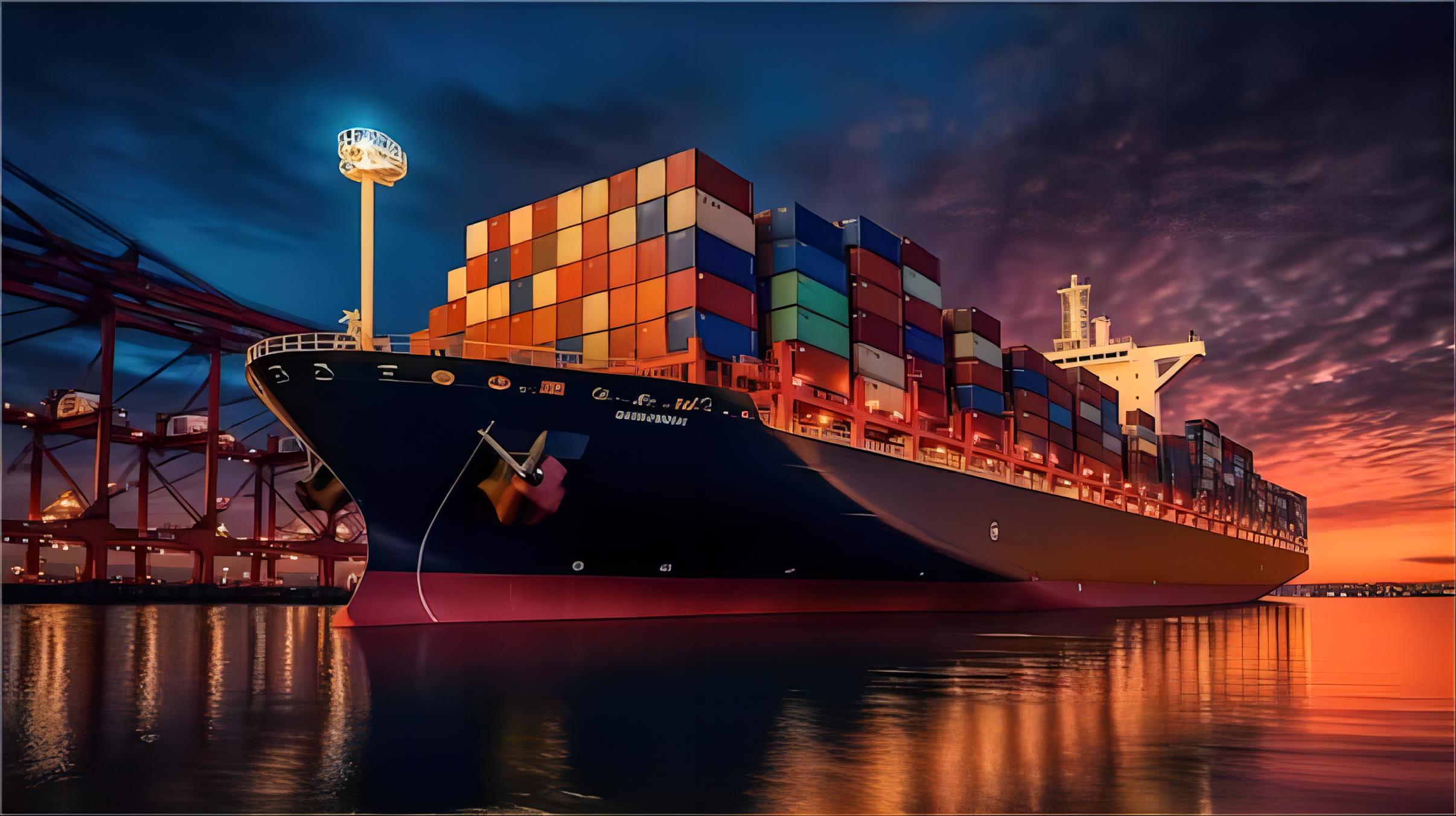
Indeed, sea freight remains the backbone of trade between China and Australia, facilitating the movement of vast quantities of goods. This method offers unparalleled capacity for large shipments, ranging from raw materials to finished consumer products. Consequently, it is often the most economical choice for many importers.
Crucially, the route spans thousands of kilometers across the Pacific Ocean, connecting major Chinese manufacturing hubs with Australian consumption centers. Understanding the journey, from port of loading to final delivery, is vital for managing expectations and planning your supply chain effectively. Therefore, meticulous planning is essential for successful international shipping.
Why Choose Sea Freight for Your Australia-Bound Shipments?
Primarily, businesses opt for sea freight due to its significant cost advantages over air cargo, especially for bulk and heavy items. The cost per unit weight or volume is considerably lower, making it ideal for non-time-sensitive goods. Moreover, sea vessels can transport virtually any type of cargo, including oversized or hazardous materials.
Furthermore, sea freight contributes to a lower carbon footprint compared to air transport, aligning with growing environmental concerns. This method provides immense carrying capacity, thereby allowing for consolidated shipments and reduced logistical complexities. Ultimately, it offers a robust and reliable solution for long-distance international trade.
Key Factors Influencing China to Australia Sea Freight Costs and Transit Times
Several critical factors dictate the overall cost and delivery schedule for shipping from China to Australia. These include the type of container, the specific ports involved, and prevailing market conditions. Understanding these elements helps businesses budget accurately and plan effectively for their import operations.
Understanding Freight Rates and Surcharges
Essentially, sea freight costs are categorized into Full Container Load (FCL) and Less than Container Load (LCL) shipments. FCL involves renting an entire container, suitable for large volumes, while LCL allows multiple shippers to share space, ideal for smaller consignments. Additionally, various surcharges, like Bunker Adjustment Factor (BAF) and Currency Adjustment Factor (CAF), impact the final price.
As of Q1 2025, FCL rates for a 20GP container from major Chinese ports to Australia typically range from $800 to $1,200, with 40HQ containers around $1,400 to $2,000. LCL rates, conversely, are calculated per cubic meter (CBM) and can vary significantly based on volume and port. Expect LCL to be around $50-80/CBM. Note: Freight rates are subject to change based on fuel costs, carrier capacity, and seasonal demand. Contact us for a current quote tailored to your specific shipment.
| Container Type | Volume (CBM) | Typical Cost Range (USD, Q1 2025) | Best For |
|---|---|---|---|
| 20GP FCL | 28-30 | $800 – $1,200 | Medium-sized shipments, heavy goods |
| 40GP FCL | 58-60 | $1,200 – $1,800 | Larger shipments, lighter goods |
| 40HQ FCL | 68-70 | $1,400 – $2,000 | High-volume, bulky goods |
| LCL (per CBM) | 1-15 | $50 – $80 | Smaller shipments, multiple suppliers |

Typical Transit Times and Major Ports
Generally, the transit time for sea freight from China to Australia varies, influenced by the specific origin and destination ports, as well as whether the route is direct or involves transshipment. Direct services, though sometimes pricier, offer faster delivery. Conversely, transshipment via hubs like Singapore or Port Klang can add several days.
Key Chinese loading ports include Shanghai, Ningbo, and Shenzhen, while major Australian discharge ports are Sydney, Melbourne, Brisbane, and Fremantle. Depending on the route, sea transit can range from 12 to 25 days. For instance, a shipment from Shanghai to Sydney might take 14-18 days, whereas to Fremantle, it could extend to 20-25 days. Overall delivery schedule should factor in terminal handling and customs clearance.
| Origin Port (China) | Destination Port (Australia) | Estimated Transit Time (Days) | Route Type |
|---|---|---|---|
| Shanghai | Sydney | 14-18 | Direct |
| Ningbo | Melbourne | 15-19 | Direct |
| Shenzhen | Brisbane | 16-20 | Direct |
| Qingdao | Fremantle | 20-25 | Transshipment/Direct |
Essential Documentation and Customs Clearance for Australian Imports
Unquestionably, smooth customs clearance is paramount for timely delivery of your goods to Australia. Australian Border Force (ABF) regulations require precise documentation and adherence to import duties and taxes. Therefore, incorrect or incomplete paperwork can lead to significant delays and additional costs.
Consequently, working with an experienced customs brokerage service is highly recommended. They can ensure all necessary permits, licenses, and declarations are correctly prepared and submitted. This proactive approach helps avoid common pitfalls associated with international trade, streamlining your import/export process.
| Document | Purpose | Required For |
|---|---|---|
| Commercial Invoice | Details of goods, value, seller/buyer | All commercial shipments |
| Packing List | Itemized list of contents, weights, dimensions | All shipments |
| Bill of Lading (B/L) | Contract of carriage, title to goods | Sea freight shipments |
| Certificate of Origin | Confirms country of manufacture | Preferential tariffs, certain goods |
| Import Declaration (N10) | Formal declaration to ABF | All imports over AUD 1,000 |
| Permits/Licenses | Specific goods (e.g., food, electronics) | Regulated items |
How Does Sea Freight Compare to Other Shipping Methods?
On one hand, while sea freight is the most economical for bulk shipments, other options exist depending on your priorities. Air freight, for instance, offers significantly faster transit times but at a much higher cost. This trade-off between speed and expense is a fundamental consideration in logistics planning.
Conversely, rail freight is not a viable option for China to Australia routes due to geographical limitations. Therefore, businesses primarily weigh sea freight against air freight, or explore hybrid solutions, to determine the most suitable transport mode for their specific needs.
| Shipping Method | Cost Range (China-Australia) | Transit Time (Days) | Best For | Limitations |
|---|---|---|---|---|
| Sea Freight (FCL) | $800 – $2,000 (per container) | 12-25 | Large volumes, heavy goods, cost-sensitive | Slowest transit time |
| Sea Freight (LCL) | $50 – $80 (per CBM) | 18-30 | Small to medium volumes, multiple suppliers | Longer transit, potential for delays |
| Air Freight | $5 – $10 (per kg) | 3-7 | Urgent, high-value, perishable goods | Very expensive, volume/weight restrictions |
Which Option Should You Choose? A Decision Framework
When prioritizing budget, sea freight is almost always the superior choice, especially for large volumes. If speed is the critical factor, air freight becomes indispensable for urgent deliveries. Cargo type also plays a role; delicate or high-value items might benefit from air transport’s reduced handling, while robust, heavy goods are perfect for sea.
Ultimately, consider your volume thresholds. For shipments under 15 CBM, LCL sea freight might be more economical than FCL. However, for anything above that, an FCL container typically offers better value. Additionally, hybrid solutions, such as sea-air, can provide a balance for specific scenarios, combining the cost-effectiveness of sea with faster last-mile air delivery, though less common for Australia.
Optimizing Your Logistics: Door-to-Door and Supply Chain Solutions
Effectively managing your entire supply chain, from factory floor in China to warehouse in Australia, is paramount. A comprehensive door-to-door service simplifies this process significantly, handling all aspects of shipping, customs, and local delivery. This integrated approach minimizes your administrative burden and potential points of failure.
Furthermore, a reliable logistics partner can provide real-time tracking and proactive communication, enhancing transparency throughout the delivery schedule. This allows businesses to maintain better inventory control and respond swiftly to any unforeseen challenges, ultimately improving overall operational efficiency and customer satisfaction.
Real-World Success: Case Studies in China to Australia Shipping
To illustrate the practical application of these shipping strategies, let us examine a few real-world scenarios. These examples highlight how different businesses leverage sea freight solutions to meet their unique import needs. They also demonstrate the variability in costs and timelines based on specific shipment details.
Case Study 1: Large Volume Retail Goods (FCL)
This case involved a mid-sized Australian retailer importing a large quantity of seasonal clothing and accessories. The primary goal was cost-efficiency over speed, necessitating an FCL sea freight solution. Based on Q3 2024 market rates, the chosen carrier provided competitive pricing and a reliable transit schedule.
| Detail | Description |
|---|---|
| Route | Shanghai, China Sydney, Australia |
| Cargo | Apparel & Accessories, 65 CBM, 9,500 kg |
| Container | 1 x 40HQ |
| Shipping Details | Carrier: COSCO, Port of Loading: Shanghai, Port of Discharge: Sydney, Route Type: Direct |
| Cost Breakdown (Q3 2024) | Ocean Freight: $1,650, Origin Charges: $450, Destination Charges: $600, Customs & Duties (estimated): $1,200, Total Landed Cost: $3,900 |
| Timeline | Booking to Loading: 5 days, Sea Transit: 17 days, Customs Clearance: 3 days, Total Door-to-Door: 25 days |
| Key Insight | Optimized FCL utilization significantly reduced per-unit shipping costs, despite seasonal rate fluctuations. |
Case Study 2: E-commerce Fulfillment (Amazon FBA LCL)
A small e-commerce business needed to replenish its Amazon FBA inventory in Australia with consumer electronics. Given the moderate volume, LCL sea freight was the most suitable option. The challenge was ensuring precise delivery to Amazon’s fulfillment center, which required careful coordination and clear communication.
| Detail | Description |
|---|---|
| Route | Shenzhen, China Melbourne, Australia |
| Cargo | Small electronics, 8 CBM, 1,200 kg |
| Container | LCL 8 CBM |
| Shipping Details | Carrier: MSC (LCL Consolidation), Port of Loading: Shenzhen, Port of Discharge: Melbourne, Route Type: Direct |
| Cost Breakdown (Early 2025) | Ocean Freight: $480 (8 CBM @ $60/CBM), Origin Charges: $280, Destination Charges: $350, Customs & Duties (estimated): $400, Total Landed Cost: $1,510 |
| Timeline | Booking to Loading: 7 days, Sea Transit: 20 days, Customs Clearance: 4 days, Total Door-to-Door: 32 days |
| Key Insight | Effective LCL consolidation and FBA-specific labeling ensured smooth delivery to the Amazon warehouse, despite slightly longer transit times. |
Case Study 3: Specialized Components for Industrial Project
This scenario involved a company importing specialized, non-urgent industrial components for a construction project in Perth. While some components were time-sensitive, the bulk of the shipment could tolerate longer transit, making FCL sea freight the primary choice. The focus was on secure handling and reliable delivery to a remote site.
| Detail | Description |
|---|---|
| Route | Ningbo, China Fremantle, Australia |
| Cargo | Industrial machinery parts, 25 CBM, 15,000 kg |
| Container | 1 x 20GP |
| Shipping Details | Carrier: Maersk, Port of Loading: Ningbo, Port of Discharge: Fremantle, Route Type: Direct |
| Cost Breakdown (Q4 2024) | Ocean Freight: $1,100, Origin Charges: $400, Destination Charges: $550, Customs & Duties (estimated): $800, Total Landed Cost: $2,850 |
| Timeline | Booking to Loading: 6 days, Sea Transit: 22 days, Customs Clearance: 5 days, Total Door-to-Door: 35 days |
| Key Insight | Careful coordination with the consignee and carrier ensured secure handling of heavy, specialized cargo, overcoming the challenge of longer transit to a western Australian port. |
Partnering with a Reliable Freight Forwarder for Your Supply Chain
Selecting the right freight forwarder is perhaps the most crucial decision for successful China to Australia sea freight. A knowledgeable partner understands the nuances of international shipping regulations, optimizes routes, and manages unexpected challenges. They become an extension of your team, providing invaluable expertise.
Moreover, a reputable forwarder offers comprehensive support, from initial quotation to final delivery, simplifying the entire process. They can provide competitive freight rates, advise on the best shipping method, and handle all documentation. Consequently, partnering with a trusted expert like China Top Freight ensures peace of mind and efficient cargo handling for your valuable goods.
Conclusion: Master Your China to Australia Sea Freight
In summary, successful <a href=”https://chinatopfreight.com/shipping-from-china-to-australia/”>China to Australia sea freight</a> hinges on understanding costs, transit times, and customs requirements. By carefully considering FCL vs. LCL, optimizing documentation, and choosing the right logistics partner, businesses can achieve significant efficiencies. This strategic approach ensures a smooth and cost-effective supply chain.
Ultimately, navigating these complexities effectively leads to reduced delays and enhanced profitability for your import operations. Remember that market conditions can shift, so always seek up-to-date advice for your specific shipment.
Ready to streamline your logistics?
Ready to streamline your imports from China to Australia? Get a competitive quote tailored to your specific shipping needs today. Our experts are prepared to assist with all aspects of your sea freight journey, ensuring efficient and reliable delivery.
Request Quote