

China to Bangladesh Shipping Cost Per KG: Your Ultimate Guide
Navigating the complexities of international shipping can be daunting, especially when trying to understand the exact China to Bangladesh shipping cost per kg. Importers often face challenges in calculating total logistics expenses, which can significantly impact their bottom line. This comprehensive guide aims to demystify freight rates, transit times, and other critical factors for shipping goods from China to Bangladesh.
What Factors Influence China to Bangladesh Shipping Cost Per KG?
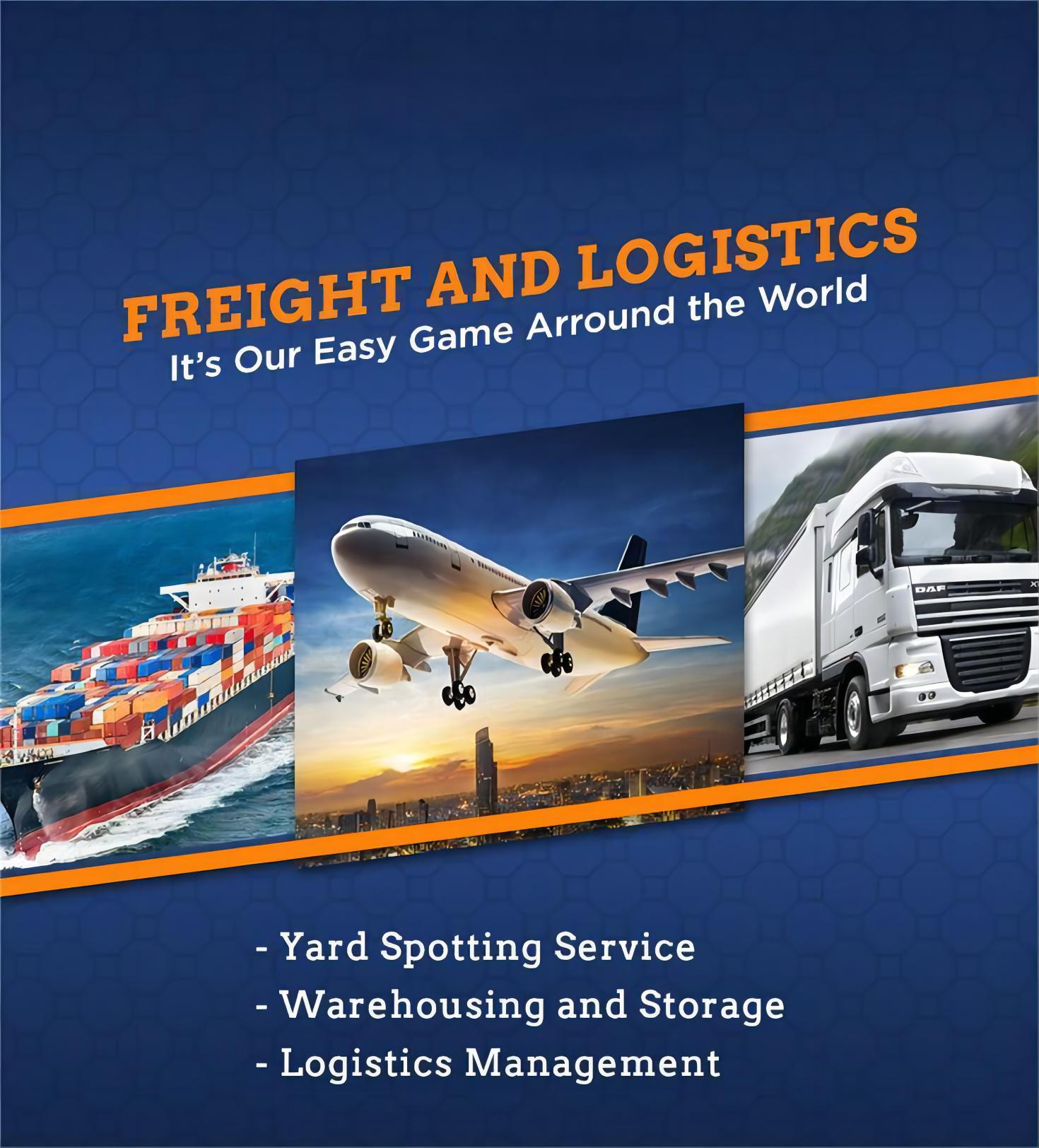
Numerous elements collectively determine the final shipping cost from China to Bangladesh. Understanding these factors is crucial for accurate budgeting and strategic planning. Primarily, the choice of shipping method plays a significant role in overall expenses and delivery speed.
Additionally, the specific characteristics of your cargo, including its weight, dimensions, and nature, directly impact freight calculations. Moreover, the exact origin in China and the final destination in Bangladesh also influence pricing due to varying inland transportation costs and port charges. Therefore, a detailed assessment of these aspects is essential.
Shipping Method
Firstly, the mode of transport chosen—whether air, sea, or express—is the most significant cost driver. Air freight offers speed but comes at a higher premium per kilogram. Conversely, sea freight is generally the most economical option for larger volumes, albeit with longer transit times.
Express services, however, blend speed and convenience, suitable for smaller, time-sensitive shipments. Each method presents a distinct balance between cost, speed, and capacity. Consequently, selecting the appropriate method is paramount for optimizing your supply chain.
Cargo Characteristics
Secondly, the physical attributes of your goods directly affect the shipping cost from China to Bangladesh. Both actual weight and volumetric weight are considered, with the higher of the two used for billing purposes. Larger or irregularly shaped items might incur additional handling charges.
Furthermore, hazardous materials or perishable goods require specialized handling and may face higher freight rates. The packaging quality and type also influence safety and potential surcharges. Therefore, precise cargo details are vital for an accurate quote.
Origin and Destination
Thirdly, the specific pickup location in China and the final delivery point in Bangladesh impact the overall logistics cost. Inland transportation from the factory to the port in China adds to the initial expense. Similarly, once the cargo arrives in Bangladesh, onward delivery charges apply.
Major ports like Shanghai, Ningbo, and Shenzhen in China often have more competitive rates due to higher shipping volumes. In Bangladesh, Chittagong Port is the primary gateway for sea freight. Consequently, detailed route planning is essential for an optimized import process.
Incoterms and Services
Finally, the chosen Incoterms (International Commercial Terms) define responsibilities and costs between buyer and seller. For instance, ‘EXW’ (Ex Works) places most obligations on the buyer, while ‘DDP’ (Delivered Duty Paid) means the seller handles almost everything.
Additional services like warehousing, insurance, customs clearance, and door-to-door delivery also contribute to the total door to door shipping China to Bangladesh cost. Therefore, clarity on these terms and services is crucial to avoid unexpected charges and ensure a smooth transaction.
How Does Each Shipping Method Impact Cost and Speed?
Choosing the right shipping method is a critical decision that balances budget constraints with delivery timelines. Each option—air freight, sea freight, and express shipping—has distinct advantages and disadvantages. Consequently, understanding these trade-offs is fundamental for importers.
This section provides a comparative overview, helping you assess which method best suits your specific cargo requirements and business needs. Ultimately, an informed choice can significantly optimize your supply chain from China to Bangladesh.
| Shipping Method | Cost Range (per kg) | Transit Time | Best For | Limitations |
|---|---|---|---|---|
| Air Freight | $4 – $8 | 3 – 8 days | Time-sensitive, high-value, smaller shipments | Higher cost, weight/volume restrictions |
| Sea Freight (LCL) | $0.50 – $1.50 | 20 – 35 days | Bulky, heavy, non-urgent shipments (small volume) | Longer transit, potential delays, LCL surcharges |
| Sea Freight (FCL) | $0.20 – $0.80 | 20 – 30 days | Large volume, heavy, non-urgent shipments (full container) | Requires large cargo volume, port congestion risk |
| Express Shipping | $5 – $12 | 2 – 5 days | Small parcels, urgent documents, e-commerce | Highest cost, strict size/weight limits |
Air Freight from China to Bangladesh: Rates and Transit
Air freight stands out for its unparalleled speed, making it ideal for urgent or high-value goods. Typically, the air freight cost China to Bangladesh per kg ranges from $4 to $8, varying based on airline, cargo volume, and fuel surcharges. This rate usually includes airport-to-airport service.
Transit times for air cargo are remarkably short, usually between 3 to 8 days, depending on the origin airport in China and the destination in Bangladesh, primarily Hazrat Shahjalal International Airport (DAC) in Dhaka. However, it is important to remember that this method incurs higher costs compared to sea freight. Market conditions as of early 2025 suggest stable rates, though peak seasons can see slight increases. Note: Freight rates are subject to change based on fuel costs, carrier capacity, and seasonal demand. Contact us for a current quote tailored to your specific shipment.
Sea Freight from China to Bangladesh: Rates and Transit
For larger volumes and less time-sensitive shipments, sea freight offers the most economical solution. The sea freight cost China to Bangladesh depends heavily on whether you choose Full Container Load (FCL) or Less than Container Load (LCL). FCL rates are typically quoted per container (20GP, 40GP, 40HQ), while LCL is charged per cubic meter (CBM) or weight.
LCL rates can range from $0.50 to $1.50 per kg (or $50-150 per CBM), whereas FCL can bring the effective cost per kg down significantly for large volumes. Transit times usually span 20 to 35 days from major Chinese ports like Shanghai, Ningbo, or Shenzhen to Chittagong Port in Bangladesh. Based on Q1 2025 market rates, a 20GP container might cost $1000-1800, and a 40HQ $2000-3000 for ocean freight alone. Note: Freight rates are subject to change based on fuel costs, carrier capacity, and seasonal demand. Contact us for a current quote tailored to your specific shipment.
Express Shipping from China to Bangladesh: Speed vs. Cost
Express shipping services, provided by global couriers, are ideal for small parcels, samples, and urgent documents. They offer unmatched speed and convenience, often with door-to-door delivery. The express shipping China to Bangladesh price is generally the highest per kilogram, ranging from $5 to $12, but includes comprehensive tracking and faster customs clearance.
Typically, delivery takes just 2 to 5 days, making it perfect for e-commerce businesses or critical spare parts. While the cost per kg is higher, the integrated service and rapid delivery often justify the expense for specific types of shipments. This method is particularly beneficial when time is of the essence. Note: Freight rates are subject to change based on fuel costs, carrier capacity, and seasonal demand. Contact us for a current quote tailored to your specific shipment.
Understanding Customs and Duties for Bangladesh Imports
Importing goods into Bangladesh involves navigating a complex customs process, which significantly adds to the overall shipping cost from China to Bangladesh per kg. Importers must be aware of various duties, taxes, and regulations. These include Customs Duty (CD), Regulatory Duty (RD), Supplementary Duty (SD), Value Added Tax (VAT), Advance Income Tax (AIT), and Advance Tax (AT).
The specific rates depend on the Harmonized System (HS) code of the product and its declared value. Furthermore, accurate documentation, such as the commercial invoice, packing list, bill of lading/airway bill, and Certificate of Origin, is crucial to avoid delays and penalties. Engaging a reliable customs broker is highly recommended to ensure compliance and smooth clearance. Market data suggests that duties and taxes can add 20-100% or more to the CIF value of goods, depending on the product category.
Real-World Case Studies: China to Bangladesh Shipping
Examining actual shipping scenarios provides practical insights into the variables affecting costs and transit times. These case studies illustrate different shipping methods and cargo types, offering a clearer picture of real-world logistics from China to Bangladesh. They highlight common challenges and effective solutions.

These examples are based on typical rates as of early 2025, reflecting current market conditions. They demonstrate how various factors combine to determine the final landed cost. Always remember that actual rates can fluctuate, so always obtain a current quote for your specific needs.
Case Study 1: Garment Accessories (LCL Sea Freight)
This scenario involved a Bangladeshi garment manufacturer importing various accessories for production. The primary goal was cost efficiency over speed, making LCL sea freight the optimal choice. Proper consolidation and documentation were key to managing expenses.
| Detail | Value |
|---|---|
| Route | Guangzhou, China Chittagong, Bangladesh |
| Cargo | Garment accessories (buttons, zippers, labels), 8 CBM, 1200 kg |
| Container | LCL 8 CBM |
| Carrier/Service | Major carrier via NVOCC |
| Port of Loading | Huangpu, Guangzhou |
| Port of Discharge | Chittagong |
| Route Type | Direct |
| Ocean Freight | $720 (approx. $90/CBM) |
| Origin Charges (THC, documentation) | $150 |
| Destination Charges (CFS, handling) | $250 |
| Customs & Duties (estimated) | $900 |
| Total Landed Cost | $2020 |
| Booking to Loading | 5 days |
| Sea Transit | 22 days |
| Customs Clearance | 4 days |
| Total Door-to-Door | 31 days |
| Key Insight | LCL proved highly cost-effective for medium volume, non-urgent goods. Consolidation reduced per-unit cost. |
Case Study 2: Electronic Components (Air Freight)
A tech company in Dhaka required a batch of electronic components urgently to meet production deadlines. Given the time-sensitive nature and relatively high value of the goods, air freight was selected despite its higher cost. Speed was the paramount concern for this shipment.
| Detail | Value |
|---|---|
| Route | Shanghai, China Dhaka, Bangladesh |
| Cargo | Electronic components, 0.5 CBM, 150 kg |
| Container | Air Cargo (150 kg chargeable weight) |
| Carrier/Service | Major airline |
| Port of Loading | PVG, Shanghai |
| Port of Discharge | DAC, Dhaka |
| Route Type | Direct |
| Air Freight | $975 (approx. $6.50/kg) |
| Origin Charges (documentation, handling) | $80 |
| Destination Charges (terminal, handling) | $120 |
| Customs & Duties (estimated) | $450 |
| Total Landed Cost | $1625 |
| Booking to Loading | 2 days |
| Air Transit | 4 days |
| Customs Clearance | 2 days |
| Total Door-to-Door | 8 days |
| Key Insight | Air freight ensured rapid delivery, preventing production delays despite the higher per-kg cost for this urgent shipment. |
Case Study 3: E-commerce Apparel Samples (Express Shipping)
An online fashion retailer needed to receive new apparel samples quickly for a photoshoot and market testing. Due to the small size, urgency, and need for seamless delivery, an international express service was chosen. This option provided end-to-end tracking and expedited handling.
| Detail | Value |
|---|---|
| Route | Shenzhen, China Dhaka, Bangladesh |
| Cargo | Apparel samples, 0.05 CBM, 15 kg |
| Container | Express Parcel (15 kg chargeable weight) |
| Carrier/Service | DHL Express |
| Port of Loading | Shenzhen (pickup) |
| Port of Discharge | Dhaka (door delivery) |
| Route Type | Door-to-Door |
| Express Freight | $180 (approx. $12/kg) |
| Origin Charges | Included |
| Destination Charges | Included |
| Customs & Duties (estimated) | $45 (de minimis value applied) |
| Total Landed Cost | $225 |
| Booking to Loading | 1 day |
| Air Transit | 2 days |
| Customs Clearance | 1 day |
| Total Door-to-Door | 4 days |
| Key Insight | Express shipping was ideal for small, urgent parcels requiring fast, hassle-free door-to-door delivery, despite the highest per-kg rate. |
Cost-Saving Strategies for Shipping from China to Bangladesh
Optimizing your shipping strategy can lead to significant cost reductions for your China to Bangladesh imports. Smart planning and informed decisions are crucial for minimizing expenses. Consequently, adopting several key strategies can enhance your profitability.
By focusing on specific areas, businesses can effectively reduce their overall shipping cost from China to Bangladesh per kg. These methods involve careful consideration of cargo, incoterms, and logistical partnerships. Ultimately, proactive management of your supply chain is essential.
Consolidation
Consolidating multiple smaller shipments into one larger consignment, especially for LCL sea freight, can dramatically reduce per-unit costs. Instead of sending several small parcels via express, combining them allows you to leverage the economies of scale offered by container shipping. This approach minimizes individual handling fees and documentation charges.
Furthermore, using a freight forwarder who offers consolidation services from various suppliers in China can streamline your logistics. This strategy is particularly effective for businesses sourcing from multiple vendors. As a result, you achieve a more favorable sea freight rate.
Choosing the Right Incoterms
Carefully selecting the appropriate Incoterms is another powerful cost-saving measure. While EXW (Ex Works) might seem cheaper upfront, it places all responsibility and risk on the buyer, including arranging inland transport in China and export customs. Conversely, FOB (Free On Board) shifts more responsibility to the seller up to the point of loading onto the vessel.
Understanding the implications of each Incoterm allows you to negotiate better terms with your supplier. Consequently, you can avoid hidden costs and leverage your supplier’s local expertise. Therefore, a thorough review of Incoterms is essential for cost-effective shipping.
Optimizing Packaging
Efficient packaging plays a vital role in reducing both volumetric weight and the risk of damage. Minimizing package dimensions while ensuring cargo safety can significantly lower freight costs, especially for air and express shipments where volumetric weight often dictates the price. Reducing unnecessary packaging material also saves on material costs.
Moreover, robust packaging prevents damage during transit, thereby avoiding costly claims and replacements. Working with suppliers to optimize packaging design can lead to substantial long-term savings. Thus, a focus on smart packaging yields multiple benefits.
Which Shipping Option Should You Choose?
Deciding on the best shipping method for your goods from China to Bangladesh depends on several key priorities. There is no single ‘best’ option; instead, the most suitable choice aligns with your specific business needs and cargo characteristics. Consider your budget, urgency, and the nature of your products.
Ultimately, a balanced approach considering all these factors will lead to the most efficient and cost-effective shipping solution. This decision framework helps you navigate the options effectively.
Budget Priority
If your primary concern is minimizing costs and you have ample time for delivery, sea freight is undoubtedly the most economical choice. For large volumes, FCL offers the lowest per-unit cost. For smaller shipments (under 15-20 CBM), LCL sea freight provides a cost-effective solution compared to air freight. Therefore, budget-conscious importers should prioritize sea shipping.

Speed Priority
When speed is critical, and goods are needed urgently, air freight or express shipping are your go-to options. Express shipping is ideal for very small, time-sensitive parcels or documents, offering door-to-door service in just a few days. For larger, but still urgent, consignments, air freight provides a fast airport-to-airport solution. Consequently, businesses with tight deadlines must opt for air-based transport.
Cargo Type Considerations
The nature of your cargo also dictates the best shipping method. Perishable goods, high-value electronics, or fragile items often benefit from the faster transit and better handling conditions of air or express freight. Conversely, bulky, heavy, or non-perishable goods like machinery, raw materials, or textiles are best suited for sea freight due to its capacity and lower cost. Thus, matching the method to the cargo type is essential.
Volume Thresholds for Switching Methods
As a general guideline, for shipments under 100 kg or 0.5 CBM, express shipping or air freight might be competitive or even cheaper when considering total landed cost and speed. Between 100 kg and 500 kg (or 0.5 to 2 CBM), air freight becomes more cost-effective than express, but LCL sea freight starts to become an option if time permits. For anything above 500 kg or 2 CBM, sea freight (LCL or FCL) almost always offers superior cost efficiency. Therefore, understanding these thresholds helps optimize your shipping strategy.
Conclusion
Navigating the intricacies of <a href=”https://chinatopfreight.com/”>China to Bangladesh shipping cost per kg</a> involves understanding a multitude of factors, from shipping methods and cargo characteristics to customs regulations. While air freight offers speed, sea freight provides cost-effectiveness for larger volumes, and express services cater to urgent, smaller parcels. Each option presents unique advantages and trade-offs.
Ultimately, choosing the right freight forwarder and employing strategic planning can significantly optimize your logistics expenses and transit times. By considering your budget, urgency, and cargo type, you can make informed decisions that benefit your supply chain. We hope this comprehensive guide has provided valuable insights into efficient and affordable shipping from China to Bangladesh.
Start Your Shipment
Ready to get a precise quote for your next shipment from China to Bangladesh? Our expert team at China Top Freight is here to provide tailored logistics solutions and transparent pricing. Contact us today to optimize your shipping costs and ensure a smooth delivery.
Request Quote