

- By kelly
- September 15, 2025
- Logistics Guide
China to Europe Train Route Map: Complete 2025 Guide
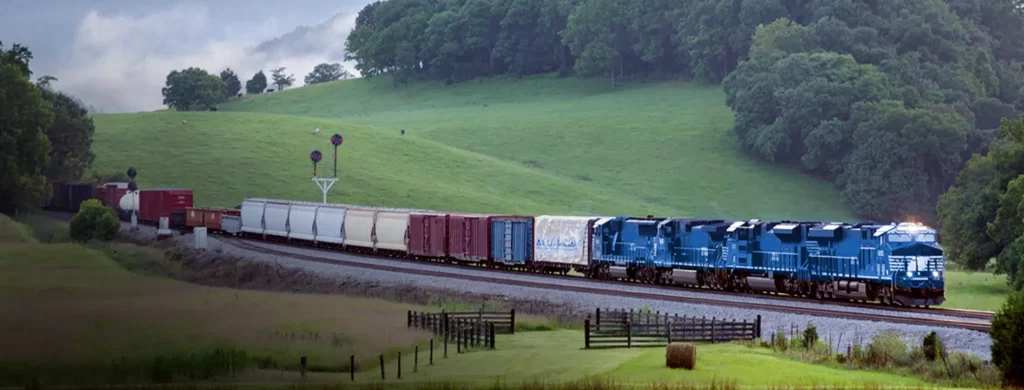
The China to Europe train route map has become one of the most important tools for businesses exploring rail freight alternatives. For companies that need a balance between cost and speed, the rail option often outperforms sea freight while remaining more affordable than air. However, navigating routes, customs, and scheduling can be complex. This guide will help you understand routes, costs, and benefits to make better supply chain decisions.
1. What Is the China to Europe Train Route Map?
The China to Europe train route map outlines the major railway connections under the China–Europe Railway Express. These networks link inland Chinese cities to major European hubs through Central Asia and Russia.
- Western Corridor: Via Kazakhstan, Russia, Belarus, and Poland.
- Middle Corridor: Through Kazakhstan, Caspian Sea, and Turkey.
- Northern Corridor: Direct through Russia.
These rail networks cover over 80 European cities, making them vital for import and export supply chains.
2. Why Choose Rail Freight over Sea or Air?
| Mode | Cost | Transit Time | Best For | Pros | Cons |
|---|---|---|---|---|---|
| Rail Freight | $$ | 15–20 days | Medium-sized, time-sensitive cargo | Faster than sea, cheaper than air | Limited capacity, customs delays |
| Sea Freight | $ | 30–40 days | Bulk cargo, non-urgent | Cheapest for volume | Slowest option |
| Air Freight | $$$$ | 3–7 days | Urgent, high-value goods | Fastest transit | Expensive |
Rail freight offers a middle ground that suits industries like electronics, automotive, textiles, and machinery.
3. How Does the China to Europe Train Route Work?
Cargo usually departs from inland Chinese hubs such as Chongqing, Chengdu, Zhengzhou, and Xi’an. Trains then move westward through border crossings at Alashankou or Khorgos into Kazakhstan, then transit Russia and Poland before reaching destinations like Hamburg, Duisburg, or Madrid.
Additionally, some routes bypass Russia, traveling via Turkey into Central Europe, offering flexibility and resilience.
4. Key Cities on the China to Europe Rail Network
| Chinese Hub | European Destination | Transit Time | Frequency |
|---|---|---|---|
| Chongqing | Duisburg, Germany | 15–18 days | Daily |
| Xi’an | Warsaw, Poland | 16–20 days | 3–4/week |
| Zhengzhou | Hamburg, Germany | 16–19 days | 3–5/week |
| Chengdu | Tilburg, Netherlands | 15–20 days | 4–5/week |
| Yiwu | Madrid, Spain | 18–22 days | 2–3/week |
5. What Does Rail Freight Cost from China to Europe?
| Cargo Size | Estimated Cost (USD) | Notes |
|---|---|---|
| 20ft Container | $6,000 – $8,000 | Mid-range cost option |
| 40ft Container | $10,000 – $12,500 | Cost varies by route |
| LCL Cargo | $0.8 – $1.5 per kg | Suitable for small/medium cargo |
Costs vary depending on demand, fuel, customs, and seasonality.
6. What Documents Are Required for Rail Freight?
| Document | Purpose |
|---|---|
| Commercial Invoice | Declares value & goods details |
| Packing List | Details cargo breakdown |
| Rail Waybill (CIM/SMGS) | Proof of shipment contract |
| Customs Declarations | Required for both China & EU entry |
| Certificates of Origin | For preferential trade agreements |
Failure to prepare correct documents can cause costly delays.
7. How Reliable Is the China to Europe Rail Freight Route?
Generally, rail freight is highly reliable, with fixed schedules and well-established customs corridors. However, potential disruptions include:
- Seasonal congestion (pre-Christmas, Chinese New Year).
- Border bottlenecks at Kazakhstan or Belarus.
- Geopolitical issues influencing Russian routes.
Despite these challenges, rail remains more predictable than sea freight during port congestion periods.
8. What Types of Cargo Are Best for Rail Freight?
- Electronics & IT hardware (balanced value vs. speed).
- Automotive parts (JIT supply chain).
- Textiles & apparel (fashion cycles).
- Machinery & equipment (mid-value goods).
Hazardous and oversized cargo may face restrictions, so consultation with a freight forwarder is advised.
9. Can the China to Europe Train Compete with Air Freight?
While air freight delivers in 3–7 days, rail’s 15–20 day window offers a strong compromise for cost-conscious shippers. For example:
- A 40ft container by air may exceed $30,000, while rail is less than half.
- Rail accommodates larger loads than courier or air cargo.
Therefore, many businesses combine air for urgent items with rail for bulk deliveries.
10. Customs & Duties Along the Route
Cargo transits multiple customs zones, requiring careful paperwork. EU-bound cargo is often cleared at the first point of entry, such as Poland or Germany. Correct HS codes, VAT compliance, and accurate valuation are essential.
11. Benefits of Using the China to Europe Rail Route Map
- Visibility: Helps plan routes and transit times.
- Flexibility: Choose northern, middle, or western corridors.
- Efficiency: Balance between sea and air freight.
- Coverage: Access to over 80 European hubs.
Moreover, businesses reduce carbon footprint compared to air, supporting sustainability goals.
📦Get a Free Quote
With a reliable China to Europe train route map, businesses can optimize supply chains, cut costs, and improve transit reliability. Whether you are shipping FCL, LCL, or specialized cargo, we provide tailored rail freight solutions. Contact us today to request a detailed China to Europe train route map and competitive shipping quote.
❓ Frequently Asked Questions
1. How long does rail freight take from China to Europe?
Usually 15–20 days, depending on origin, route, and border congestion.
2. Which cities in Europe are major destinations?
Hamburg, Duisburg, Warsaw, Madrid, and Tilburg are among the busiest rail hubs.
3. Is rail freight cheaper than air freight?
Yes, typically 50–70% cheaper, making it ideal for medium-value, non-urgent goods.
4. Can I ship small cargo by rail?
Yes, LCL options allow shipments as small as 50–100 kg to be consolidated.
5. What happens if customs documents are missing?
Shipments may be delayed, fined, or returned. Always prepare invoices, packing lists, and HS codes in advance.
Conclusion
The China to Europe train route map provides importers and exporters with a clear view of one of the fastest-growing freight options. By balancing speed, cost, and sustainability, rail freight is becoming an essential part of global logistics. Partnering with the right freight forwarder ensures accurate quotes, reliable schedules, and simplified customs clearance for your business.