India is one of China’s largest trading partners, importing thousands of products annually. China to India cargo services play a vital role in keeping supply chains running smoothly. However, many businesses struggle with unpredictable rates, customs issues, and transit delays. Therefore, knowing the right cargo option—sea, air, or courier—helps importers save costs and avoid risks. In this guide, we’ll compare methods, costs, and transit times, along with tips to simplify the process.
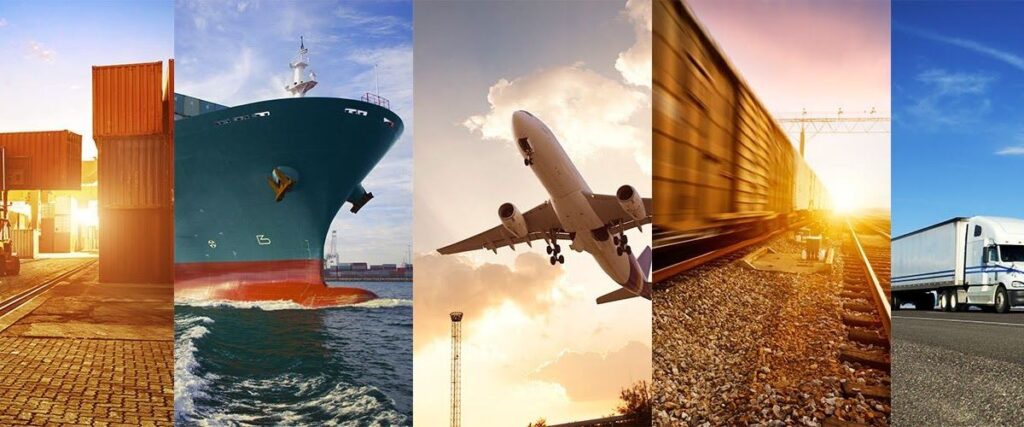
China to India cargo shipping refers to transporting goods via sea freight, air cargo, or courier services from Chinese suppliers to Indian ports and airports. Typically, sea cargo is used for bulk imports, while air cargo and courier are chosen for urgent deliveries. Moreover, forwarders offer door-to-door cargo services for added convenience.
Cargo Shipping Methods from China to India
Method
Avg. Cost (2025)
Transit Time
Best For
Sea Cargo (FCL 20ft)
$1,100–$1,500
15–22 days
Bulk cargo
Sea Cargo (LCL)
$90–$120 per CBM
18–25 days
Small shipments
Air Cargo
$4.5–$6 per kg
4–7 days
Urgent goods
Courier Cargo
$7–$11 per kg
3–5 days
Small parcels
Sea Cargo: Lowest cost per unit. However, transit takes longer. Air Cargo: Reliable and much faster. On the other hand, it costs more per kg. Courier Cargo: Door-to-door delivery in under a week. Nevertheless, prices are high for heavy parcels.
China to India Cargo Rates Explained
Shipment Size
Sea Cargo
Air Cargo
Courier
100 kg
$400
$500
$750
500 kg
$950
$2,400
$4,000
1x20ft Container
$1,100–$1,500
N/A
N/A
1x40ft Container
$1,800–$2,600
N/A
N/A
In summary, sea cargo is cheapest for large loads, while courier and air cargo serve faster delivery needs.
India applies customs duties (average 10–20%) plus GST on imports. In addition, restricted items may need licenses. Therefore, using an experienced forwarder prevents clearance delays.
Door-to-Door vs Port-to-Port Cargo Services
Door-to-Door Cargo: Covers pickup in China and delivery in India. However, it costs more.
Port-to-Port Cargo: Cheaper, but requires local handling. Therefore, it suits large importers with logistics teams.
Real-World Example – Textile Cargo Shipment to Mumbai
An Indian retailer shipped 3 CBM of textiles from Guangzhou to Mumbai.
Sea Cargo LCL: $300 (18 days)
Air Cargo: $1,500 (5 days)
As a result, sea cargo saved over $1,200, as delivery was not urgent.
How to Reduce Cargo Costs from China to India
Book in advance to avoid peak-season hikes.
Use LCL consolidation for smaller loads.
Negotiate FOB terms with suppliers.
Compare multiple forwarder quotes.
Choosing a Reliable Cargo Forwarder
A strong forwarder offers:
Transparent cargo rate quotes.
Customs clearance support.
Door-to-door services.
Tracking and customer support.
Moreover, forwarders consolidate shipments to reduce per-unit costs.
Final Thoughts
China to India cargo trade is growing rapidly, and businesses need efficient solutions to stay competitive. Sea freight remains the most affordable for bulk, while air and courier cargo offer speed for urgent deliveries. In conclusion, planning ahead, preparing documents carefully, and working with a reliable forwarder ensures lower costs and faster clearance.