

- By carlie tj
- September 16, 2025
- Logistics, Tips or Guide
Growing trade between China and India has increased the demand for a reliable China to India freight forwarder. With professional logistics support from China Top Freight, businesses can simplify customs clearance, reduce costs, and optimize delivery schedules while ensuring a smooth supply chain.
1. What Does a China to India Freight Forwarder Do?
A freight forwarder coordinates the entire shipping process, including booking cargo space, managing customs, preparing documents, and ensuring safe delivery.
Moreover, freight forwarders act as intermediaries between shippers and carriers, negotiating competitive rates and offering flexible shipping methods.
2. Why Should Businesses Use a Freight Forwarder from China to India?
- Simplified customs clearance with fewer delays.
- Lower shipping costs through negotiated contracts.
- Flexible delivery schedules across sea, air, and rail freight.
- Access to tracking systems for shipment visibility.
- End-to-end supply chain support from warehousing to delivery.
Therefore, freight forwarders reduce complexity and improve efficiency.
3. How Much Does Freight from China to India Cost?
Costs depend on the shipping mode, cargo type, and urgency.
| Mode | Average Cost | Transit Time | Best Suited Cargo |
|---|---|---|---|
| Sea Freight (20ft FCL) | $1,200 – $1,800 | 20–30 days | Bulk goods |
| Sea Freight (40ft FCL) | $2,200 – $3,200 | 20–30 days | Large shipments |
| Air Freight | $2.5 – $3.5/kg | 3–6 days | Urgent, high-value goods |
| Rail Freight | $6,000 – $9,000/container | 15–20 days | Medium-value cargo |
Freight forwarders help businesses select the most cost-effective option based on needs.
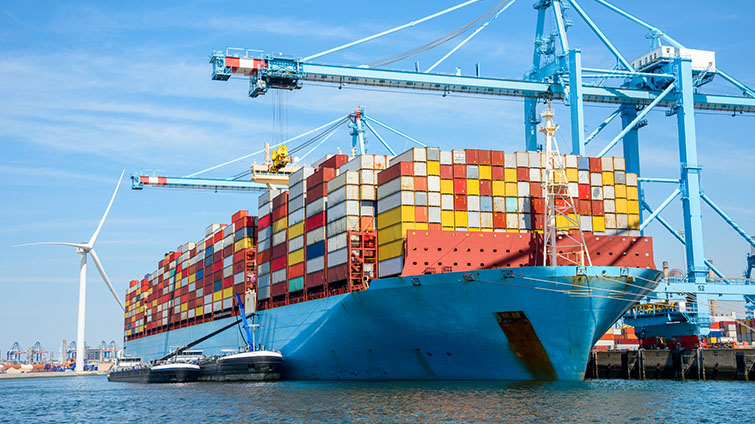
4. What Are the Shipping Options from China to India?
- Lowest cost for large shipments.
- Ideal for bulky or non-urgent cargo.
- Fastest delivery method.
- Best for high-value and time-sensitive goods.
- Balanced speed and cost.
- Suitable for specific routes connecting China to India.
Additionally, freight forwarders offer multimodal shipping to combine benefits of different methods.
5. What Industries Depend Most on Freight Forwarders?
Electronics – Require fast delivery and secure handling.
Pharmaceuticals – Need cold chain and time-sensitive shipping.
Textiles & Fashion – Seasonal demand requires reliable schedules.
Automotive – Depend on timely parts shipments.
Consumer Goods – Benefit from consolidated container loads.
6. How Can Businesses Reduce Freight Costs?
- Optimize packaging to reduce volumetric weight.
- Book early to secure lower rates.
- Use LCL shipping for smaller cargo volumes.
- Partner with forwarders for negotiated contracts.
- Explore multimodal solutions for efficiency.
Choosing the right China to India freight forwarder helps companies save money, avoid customs issues, and ensure timely deliveries. For businesses seeking competitive pricing and reliability, working with an experienced forwarder is essential.
7.Conclusion
A trusted China to India freight forwarder plays a crucial role in international trade by managing customs, optimizing transport modes, and reducing costs. While sea freight offers affordability, air freight ensures speed, and rail freight balances efficiency. Ultimately, businesses that partner with experienced freight forwarders gain a competitive advantage in India’s fast-growing market.
8. Request a Quote
China Top Freight offers:
- ✅ Origin and Destination Countries
- ✅ Cargo Type and Volume
- ✅ Preferred Transport Method (Air, Sea, Rail, Road)
- ✅ Delivery Timeline
- ✅ Special Handling Requirements (if any)
9. FAQ
Q1: How do freight forwarders help reduce costs in China-India trade?
They negotiate lower carrier rates, optimize routes, and offer consolidation services, making logistics more affordable for businesses of any size.
Q2: What role does a freight forwarder play in customs clearance?
A freight forwarder ensures documentation accuracy, compliance with Indian regulations, and smooth processing, preventing costly delays and fines during import.
Q3: Can small businesses benefit from using freight forwarders?
Absolutely, freight forwarders provide LCL options and tailored solutions, allowing smaller firms to ship cost-effectively without full container commitments.
Q4: How do freight forwarders improve supply chain efficiency?
They offer end-to-end logistics management, real-time tracking, and multimodal transport solutions, which reduce risks and enhance supply chain visibility.
Q5: What is the difference between freight forwarders and carriers?
Carriers move goods directly, while forwarders coordinate shipping, handle paperwork, negotiate rates, and ensure smooth delivery across multiple transport modes.