

- By carlie tj
- September 16, 2025
- Logistics, Tips or Guide
The rising demand for China to India freight makes reliable logistics solutions more important than ever. With trusted support from China Top Freight, businesses can streamline shipping, manage customs, and minimize costs while ensuring timely deliveries across India’s growing markets.
1. What Is China to India Freight?
China to India freight refers to transporting goods by sea, air, or rail between the two countries. Each method has unique costs, transit times, and benefits.
Moreover, freight between these nations supports industries like electronics, textiles, automotive parts, and consumer goods, which depend on fast and efficient supply chains.
2. How Much Does China to India Freight Cost?
Charges vary depending on shipment method, cargo volume, and urgency.
| Mode | Average Cost | Transit Time | Best For |
|---|---|---|---|
| Sea Freight (20ft FCL) | $1,200 – $1,800 | 20–30 days | Bulk goods |
| Sea Freight (40ft FCL) | $2,200 – $3,200 | 20–30 days | Large shipments |
| Air Freight | $2.5 – $3.5/kg | 3–6 days | Urgent, high-value goods |
| Rail Freight | $6,000 – $9,000/container | 15–20 days | Balanced speed & cost |
Therefore, businesses must carefully balance cost and delivery speed before choosing the right freight option.
3. Why Is Freight Between China and India Increasing?
- Growing bilateral trade agreements
- Expansion of India’s e-commerce market
- Rising demand for electronics and machinery
- Time-sensitive shipments like pharmaceuticals
Additionally, India’s growing middle-class consumer base drives demand for imported Chinese products.
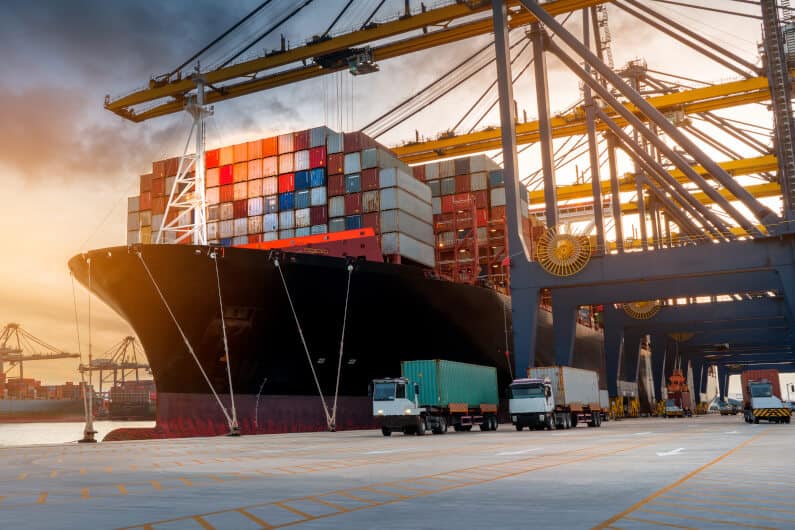
4. What Are the Freight Options from China to India?
- Cheapest for large shipments.
- Suitable for non-urgent, bulk cargo.
- Fastest delivery, secure for valuables.
- Ideal for high-value, urgent cargo.
- Balanced cost and speed.
- Suitable for mid-volume shipments, eco-friendly.
Each method plays a crucial role depending on shipment needs.
5. How Do Customs Impact China to India Freight?
Correct documentation prevents costly delays.
Key Customs Documents Checklist:
- Commercial Invoice
- Bill of Lading / Air Waybill
- Packing List
- Certificate of Origin
- Importer Exporter Code (IEC in India)
Moreover, missing paperwork may cause penalties and storage charges.
6. What Trends Will Shape China to India Freight in 2025?
- Digital freight booking platforms gaining popularity
- Sustainability initiatives influencing costs
- Expansion of direct flight cargo routes
- Increased automation in customs clearance
- Higher demand for temperature-controlled cargo solutions
Staying updated on China to India freight trends ensures companies can manage costs effectively while meeting customer expectations for speed and reliability.
7.Conclusion
The importance of China to India freight continues to grow with rising trade, e-commerce, and industrial demands. While sea freight remains cost-effective, air and rail freight ensure speed and flexibility. Businesses that optimize shipping methods, prepare accurate documents, and partner with expert freight forwarders can reduce costs and maintain reliable supply chains.
8. Request a Quote
China Top Freight offers:
- ✅ Origin and Destination Countries
- ✅ Cargo Type and Volume
- ✅ Preferred Transport Method (Air, Sea, Rail, Road)
- ✅ Delivery Timeline
- ✅ Special Handling Requirements (if any)
9. FAQ
Q1: What is the cheapest method for freight between China and India?
Sea freight is generally the cheapest, ideal for bulk shipments. However, businesses must plan for longer transit times compared to air freight.
Q2: How do airlines calculate air freight rates?
Charges are based on chargeable weight, comparing actual weight with volumetric weight. The higher value is used to determine final freight costs.
Q3: Can rail freight be a good alternative to sea or air?
Rail freight balances speed and cost. It’s faster than sea, cheaper than air, and increasingly popular for mid-volume shipments to India.
Q4: What are the busiest cargo airports for China-India trade?
Shanghai, Shenzhen, and Guangzhou connect directly to Indian hubs like Delhi, Mumbai, and Bangalore, supporting fast air freight transit.
Q5: Do customs delays increase overall freight charges?
Yes, delays result in storage fees and penalties. Proper documentation and compliance minimize risks, ensuring smoother customs clearance in India.