

China to Seattle: 20GP FCL Transit Time for Machinery
Shipping machinery from China to Seattle requires meticulous planning, especially when considering the China Top Freight 20GP FCL transit time. Understanding typical schedules and potential delays is crucial for maintaining a predictable supply chain. This comprehensive guide will therefore explore all aspects of full container load (FCL) shipping for your valuable equipment, ensuring you are well-informed.
Understanding 20GP FCL for Machinery Shipments
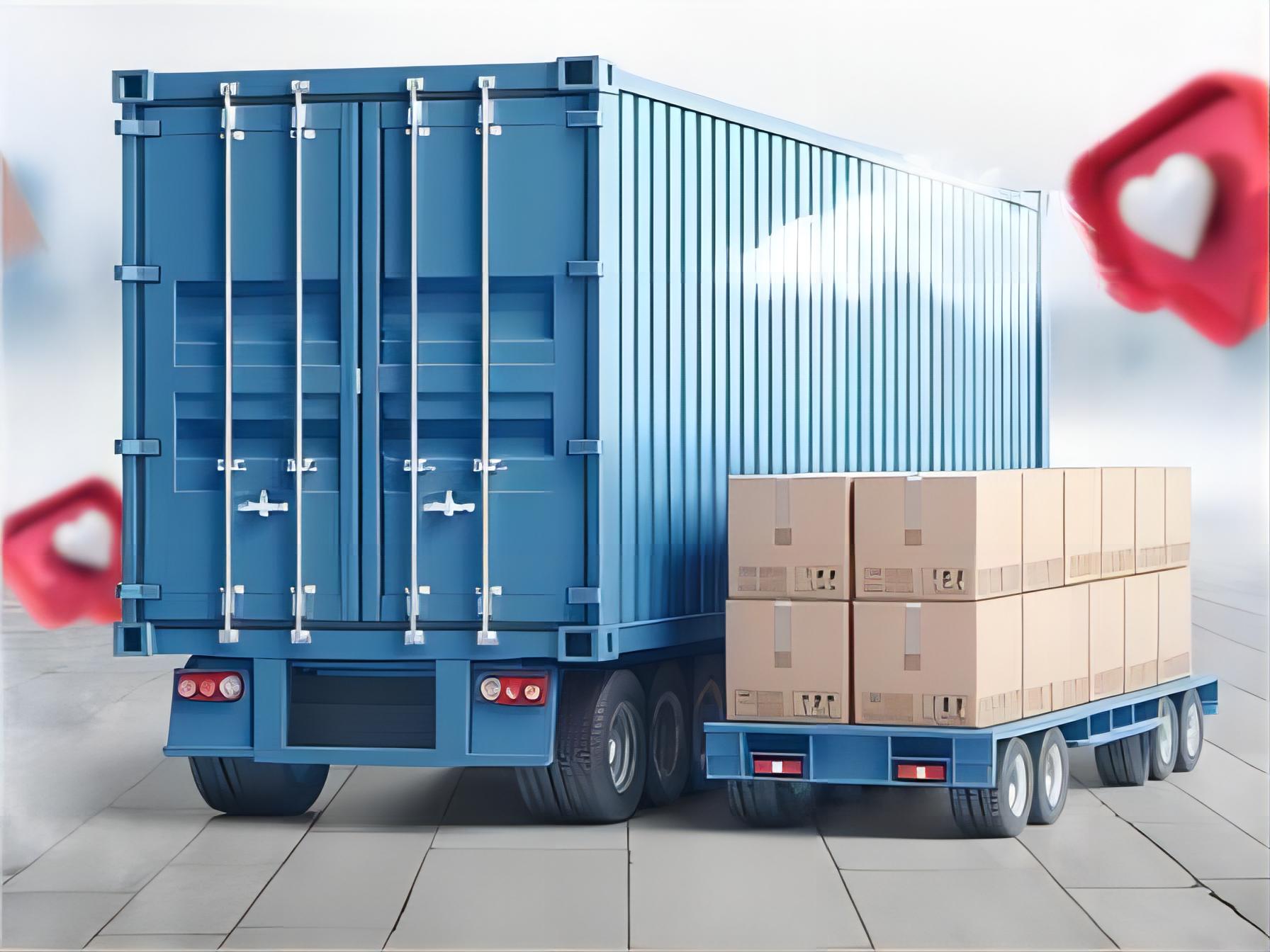
For businesses importing heavy equipment, understanding a 20GP FCL container is paramount. A 20GP (General Purpose) container, roughly 20 feet long, provides a secure and dedicated space for your cargo. This ensures your valuable machinery is transported efficiently and safely.
FCL, or Full Container Load, means your goods occupy the entire container. Consequently, this method minimizes handling risks and offers greater control over the shipping schedule. It is therefore the preferred choice for high-value or delicate machinery due to enhanced security.
What is the Typical 20GP FCL Transit Time from China to Seattle?
The average sea freight 20GP FCL transit time for machinery from major Chinese ports to Seattle typically ranges from 14 to 22 days. This timeframe primarily covers the ocean voyage itself. However, the total door-to-door delivery can extend significantly.
For instance, a direct vessel from Shanghai or Ningbo to the Port of Seattle often takes about 16-18 days. Shenzhen, further south, might add a day or two to the ocean transit. Therefore, planning for the overall journey is crucial for accurate delivery schedule predictions.
Furthermore, these estimates are for port-to-port transit. Additional time for origin logistics, customs clearance, and destination drayage must also be factored in. Consequently, a realistic total transit time from factory to final destination usually falls between 22 to 35 days.
What Key Factors Influence Your 20GP FCL Transit Time?
Several critical factors significantly impact the actual 20GP FCL transit time for machinery from China to Seattle. Firstly, the specific origin port in China and the chosen shipping line’s vessel schedules play a major role. Direct services are generally faster than routes involving transshipment.
Moreover, port congestion, particularly at the Port of Seattle, can cause unforeseen delays. High import volumes or labor shortages can lead to vessels waiting at anchor, subsequently extending overall delivery times. These logistics trends are constantly monitored by experienced freight forwarders.
Seasonal demand also heavily influences transit times and shipping costs. Peak shipping seasons, such as before major holidays like Chinese New Year or during Q3 and Q4, often result in tighter vessel space and longer transit periods. Booking well in advance is therefore advisable.
Additionally, customs clearance processes in both China and the USA can introduce delays if documentation is incomplete. Efficient customs brokerage is therefore essential. Weather conditions, though less frequent, can also impact vessel speed and routing.
How Does the FCL Shipping Process Work from China to Seattle?
The journey of your machinery from China to Seattle involves several coordinated steps. Initially, after booking your 20GP FCL, the container is positioned at your supplier’s factory for loading. Proper loading and securing of the machinery are paramount.
Subsequently, the loaded container is transported to the port of loading in China. Here, it undergoes export customs clearance before being loaded onto the vessel. This stage ensures compliance with international shipping regulations.
Upon arrival at the Port of Seattle, the container is discharged from the vessel. It then proceeds through US customs for import clearance. This process verifies documentation, assesses import duties, and ensures regulatory compliance for machinery import.
Finally, after customs clearance, the container is picked up by a drayage truck for local delivery to your specified warehouse or facility. Many businesses opt for comprehensive door-to-door services to manage this entire complex supply chain seamlessly.
How Does 20GP FCL Compare to Other Shipping Options for Machinery?
When shipping machinery, selecting the right method is critical for balancing speed, cost, and cargo safety. While 20GP FCL offers dedicated space and security, other options might be suitable depending on your specific needs. Understanding these alternatives is crucial for informed decision-making.
For example, LCL (Less than Container Load) is an option for smaller machinery volumes, though it involves consolidation and can lead to longer transit times. Conversely, air freight provides significantly faster transit but at a much higher cost.
This table provides a clear comparison of common shipping methods from China to Seattle, highlighting their respective advantages and limitations for machinery. It details cost ranges, typical transit times, and best-use scenarios.
| Shipping Method | Cost Range (20GP Equivalent) | Transit Time (Port-to-Port) | Key Characteristics |
|---|---|---|---|
| Sea FCL (20GP) | $1,500-2,200 | 14-22 days | Cost-effective for large, heavy, and bulky machinery; dedicated container |
| Sea LCL | $50-80/CBM | 20-30 days | Economical for smaller volumes (under 15 CBM); shared container, more handling |
| Air Freight | $6-10/kg | 3-7 days | Fastest option for urgent, high-value, or time-sensitive machinery; highest cost |
What Are the Key Cost Considerations for Your Machinery Shipment?
Beyond the base ocean freight, several other components contribute to the total shipping costs for your 20GP FCL machinery from China to Seattle. These include origin charges, destination charges, and various surcharges. Understanding these helps in accurate budgeting.
Origin charges typically cover terminal handling, documentation, and local trucking to the port in China. Conversely, destination charges in Seattle encompass terminal handling, customs examination fees, and drayage from the port to your final facility. Each component adds to the overall expense.
Furthermore, import duties and taxes for machinery entering the US must be factored in. Rates vary significantly based on machinery type and HS code. Proper classification is thus essential for accurate import duties.
Lastly, cargo insurance is highly recommended to protect against unforeseen damages or losses during transit. While an additional cost, it provides crucial financial security for your valuable equipment. Note: Freight rates are subject to change based on fuel costs, carrier capacity, and seasonal demand. Contact us for a current quote tailored to your specific shipment.
How Can You Optimize Your 20GP FCL Machinery Shipping Strategy?
Optimizing your shipping strategy is vital for minimizing both transit time and overall costs for machinery imports. Firstly, early booking is paramount, especially during peak seasons, to secure favorable vessel space and competitive freight rates. This avoids last-minute rush surcharges.
Moreover, working with an experienced freight forwarder who specializes in China-USA routes can significantly streamline the process. They provide valuable insights into vessel schedules, port congestion, and logistics planning. Their expertise is indispensable for complex imports.
Ensuring all shipping documentation is accurate and complete prior to departure is another critical step. Errors can lead to customs delays, storage fees, and ultimately, extended transit times. A meticulous approach to paperwork saves time and money.
Additionally, exploring flexible delivery schedules or considering a buffer period can mitigate risks associated with unexpected delays. This allows for smoother adaptation to potential supply chain disruptions, ensuring your machinery arrives when needed.
Real-World Scenarios: 20GP FCL Machinery Shipments from China to Seattle
Examining real-world case studies provides practical insights into the complexities and outcomes of shipping machinery from China to Seattle. These examples demonstrate typical transit times, costs, and common challenges. Each scenario highlights different aspects of the shipping journey.
Case Study 1: Standard Industrial Equipment (20GP FCL)
This case involved a standard CNC machine, highlighting efficient direct service and smooth customs clearance for a predictable delivery. Based on typical rates as of early 2025.
| Detail | Value |
|---|---|
| Route | Shanghai, China -> Seattle, USA |
| Cargo | CNC machine, 15 CBM, 8,000 kg |
| Container | 20GP FCL |
| Shipping Details | Direct service via COSCO from Shanghai Port (CNSHA) to Seattle Port (USSEA) |
| Ocean Freight | $1,950 |
| Origin Charges | $380 |
| Destination Charges | $450 |
| Customs & Duties (est.) | $750 |
| Total Landed Cost | $3,530 |
| Booking to Loading | 5 days |
| Sea Transit | 16 days |
| Customs Clearance | 3 days |
| Total Door-to-Door | 24 days |
| Key Insight | Predictable transit due to direct route and efficient documentation. |
Case Study 2: Agricultural Machinery Component (20GP FCL)
This shipment of tractor parts from Ningbo experienced a slight customs delay, emphasizing the need for meticulous documentation for specialized items. Typical rates as of Q4 2024.
| Detail | Value |
|---|---|
| Route | Ningbo, China -> Seattle, USA |
| Cargo | Tractor parts, 12 CBM, 7,000 kg |
| Container | 20GP FCL |
| Shipping Details | Direct service via Evergreen from Ningbo Port (CNNGB) to Seattle Port (USSEA) |
| Ocean Freight | $1,800 |
| Origin Charges | $360 |
| Destination Charges | $420 |
| Customs & Duties (est.) | $680 |
| Total Landed Cost | $3,260 |
| Booking to Loading | 6 days |
| Sea Transit | 17 days |
| Customs Clearance | 4 days |
| Total Door-to-Door | 27 days |
| Key Insight | Minor customs delay due to specific component regulations. |
Case Study 3: Manufacturing Line Upgrade (20GP FCL)
Shipping assembly line modules from Shenzhen during peak season demonstrated how market conditions can influence both cost and initial lead times. Based on Q3 2024 market rates.
| Detail | Value |
|---|---|
| Route | Shenzhen, China -> Seattle, USA |
| Cargo | Assembly line modules, 18 CBM, 9,500 kg |
| Container | 20GP FCL |
| Shipping Details | Direct service via Maersk from Shenzhen Port (CNSZP) to Seattle Port (USSEA) |
| Ocean Freight | $2,100 |
| Origin Charges | $400 |
| Destination Charges | $480 |
| Customs & Duties (est.) | $800 |
| Total Landed Cost | $3,780 |
| Booking to Loading | 7 days |
| Sea Transit | 18 days |
| Customs Clearance | 3 days |
| Total Door-to-Door | 28 days |
| Key Insight | Higher rates and longer booking time due to peak season demand. |

Alternative Strategies and How to Choose the Right Shipping Option
While 20GP FCL offers distinct advantages, exploring alternative shipping strategies can provide flexibility and cost savings under specific circumstances. Understanding these options helps businesses make informed decisions tailored to their unique supply chain needs and logistics trends.
Hybrid Solutions for Expedited Delivery
For components requiring faster delivery than pure sea freight, but less costly than air, hybrid solutions are available. A sea-air combination, for instance, involves sea transit to a transshipment hub (like Dubai or Incheon) followed by air freight to Seattle. This balances speed and cost effectively.
This approach suits urgent spare parts or time-sensitive components, significantly reducing transit time compared to sea-only options, albeit at a higher cost.
Cost-Saving Strategies and Trade-offs
If budget is the primary concern and speed is secondary, opting for LCL (Less than Container Load) for smaller machinery volumes can be more economical. However, this comes with increased handling and potentially longer transit times due to consolidation.
Choosing slower, indirect vessel routes with transshipment, while extending sea freight, can offer lower rates. This time-cost trade-off requires careful consideration.
Which Option Should You Choose?
The ideal shipping method depends on your priorities. If budget is paramount, and your machinery is not time-sensitive, Sea FCL or LCL are the best choices. For extreme urgency, express service or air freight is indispensable.
Cargo type considerations also play a role; delicate or oversized machinery often benefits most from dedicated FCL space. Ultimately, assessing your specific budget, timeline, and cargo requirements will guide you to the most suitable logistics solution.
Navigating Your 20GP FCL Machinery Shipment to Seattle
In conclusion, mastering the 20GP FCL transit time for machinery from China to Seattle involves understanding numerous influencing factors. From vessel schedules and port congestion to customs clearance and optimal routing, each element plays a critical role in your supply chain’s efficiency.
By carefully considering direct versus transshipment routes, optimizing documentation, and partnering with experienced freight forwarders, businesses can significantly enhance predictability. Ultimately, a well-planned logistics strategy ensures your valuable machinery arrives on schedule and within budget, bolstering your operational success.
Need a tailored shipping solution?
Streamline your machinery imports from China to Seattle with expert guidance. Contact us today for a personalized quote and optimize your 20GP FCL transit time for machinery. Our team is ready to help you navigate complex logistics with confidence and efficiency.