

- By carlie tj
- September 16, 2025
- Logistics, Tips or Guide
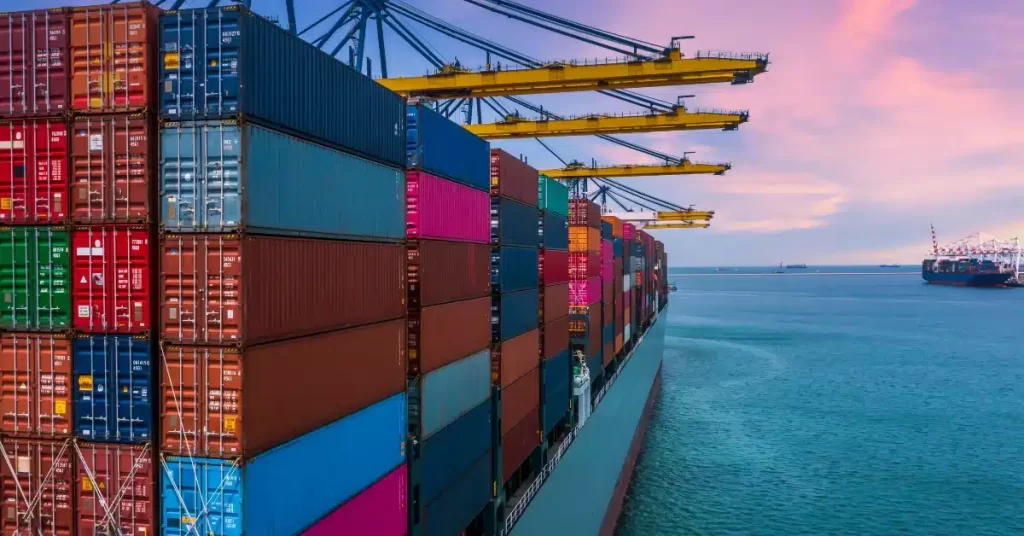
For businesses trading between China and Singapore, the most practical transport option is China to Singapore sea freight. It balances cost and efficiency, making it ideal for bulk shipments. With professional support from China Top Freight, companies can streamline customs, minimize costs, and maintain supply chain stability.
1. Why Choose China to Singapore Sea Freight?
Sea freight remains the most reliable method for cross-border trade due to:
- Competitive costs compared to air freight.
- High capacity for containerized cargo.
- Frequent sailings between Chinese and Singaporean ports.
- Flexible options such as FCL (Full Container Load) and LCL (Less than Container Load).
Therefore, it is the preferred solution for both SMEs and multinational corporations.
2. How Much Does China to Singapore Sea Freight Cost?
Costs depend on cargo size, port selection, and market demand. Below are typical estimates:
| Container Type | Estimated Cost (USD) | Transit Time | Best For |
|---|---|---|---|
| 20ft FCL | $500 – $800 | 5–7 days | Medium shipments |
| 40ft FCL | $900 – $1,400 | 5–7 days | Bulk cargo |
| LCL (per CBM) | $30 – $60 | 6–8 days | Small shipments |
Rates may vary seasonally, especially during peak import/export periods.
3. How Much Does Sea Freight from China to Singapore Cost?
Shipping costs depend on factors such as cargo type, container size, port of loading, and seasonality. Generally, a 20ft container from China to Singapore costs between USD 250–450, while a 40ft container ranges from USD 450–800.
Other cost factors include:
- Port handling charges
- Customs clearance fees
- Documentation fees
- Delivery charges at destination
4. Which Are the Main Ports in China and Singapore?
China offers several major export ports, including:
- Shanghai Port – largest container port in the world
- Shenzhen Port – ideal for electronics and consumer goods
- Guangzhou Port – bulk shipments and industrial goods
- Ningbo Port – diversified cargo handling
Singapore’s Port of Singapore (PSA) serves as the main destination, renowned for efficiency and speed in transshipment and final delivery.
5.How Do Customs Procedures Work Between China and Singapore?
Singapore has a straightforward customs clearance system. Importers must declare goods through Singapore Customs using the TradeNet system. Meanwhile, Chinese export regulations require exporters to submit documents for inspection and clearance at the port of loading.
Common challenges include:
- HS code misclassification
- Incorrect declared values
- Missing permits for restricted goods
6.Future Trends in China to Singapore Sea Freight
The rise of digital freight platforms, sustainability goals, and automation in ports are shaping the future of sea freight. Moreover, Singapore is investing heavily in expanding its Tuas Mega Port, which will increase efficiency and reduce costs for shippers in the coming years.
Before making your next shipment, consider the factors outlined above to optimize both cost and delivery time. Reliable China to Singapore sea freight solutions not only reduce logistics risks but also strengthen your supply chain efficiency.
7.Conclusion
In summary, China to Singapore sea freight offers one of the most reliable and economical logistics solutions for businesses engaged in cross-border trade. With short transit times, competitive costs, and efficient port operations, it remains a preferred choice for bulk cargo. By partnering with experienced freight forwarders, companies can streamline operations, ensure compliance, and strengthen supply chain resilience.
8. Request a Quote
China Top Freight offers:
- ✅ Origin and Destination Countries
- ✅ Cargo Type and Volume
- ✅ Preferred Transport Method (Air, Sea, Rail, Road)
- ✅ Delivery Timeline
- ✅ Special Handling Requirements (if any)
9. FAQ
Q1: What is the average cost of a 20ft container from China to Singapore?
A 20ft container typically ranges from USD 250–450 depending on port of loading, season, and carrier selection.
Q2: Which Chinese port offers the fastest shipping to Singapore?
Shenzhen Port provides the quickest routes, averaging 5–7 days transit time for cargo bound to Singapore.
Q3: Do I need an import permit for all shipments into Singapore?
Not all goods require permits, but restricted items such as pharmaceuticals or chemicals need specific approvals before clearance.
Q4: Can I track my sea freight shipment from China to Singapore?
Yes, freight forwarders provide real-time tracking systems that allow you to monitor cargo from origin to final delivery.
Q5: How early should I book sea freight from China to Singapore?
It’s best to book at least two weeks in advance to secure space and avoid peak season surcharges.