

China to UK Rail Freight: Your Comprehensive Guide to Efficient Shipping
The demand for reliable and efficient shipping routes between China and the UK continues to grow, driving businesses to explore alternatives beyond traditional sea and air freight. Consequently, China Top Freight offers robust rail freight services, providing a compelling balance of speed and cost-effectiveness. This guide delves into the world of China to UK rail freight, offering insights into its benefits, operational mechanisms, and how it can significantly optimize your supply chain. We aim to equip you with the knowledge needed to make informed logistics decisions.
Why Choose China to UK Rail Freight for Your Shipments?
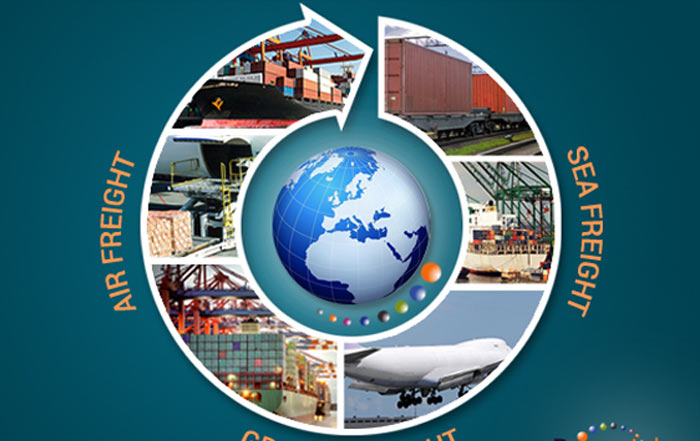
Many businesses are increasingly turning to rail freight as a strategic shipping solution from China to the UK. This method offers a unique blend of advantages, positioning it as a strong contender in modern supply chains. It provides a crucial middle ground between the speed of air freight and the economy of sea freight, delivering tangible benefits for importers.
Indeed, one primary advantage is the significantly reduced transit time compared to ocean shipping. Whereas sea freight can take 30-45 days, rail typically delivers goods within 18-25 days. Furthermore, this speed often comes at a more competitive price point than air cargo, making it an attractive option for time-sensitive but budget-conscious shipments. Consequently, rail freight from China to UK helps optimize inventory management and accelerates market entry.
Moreover, rail freight offers greater reliability and predictability in delivery schedules. Unlike sea routes, it is less susceptible to adverse weather conditions or port congestion delays. Additionally, it presents a more environmentally friendly alternative, boasting a lower carbon footprint per ton-mile compared to air transport. Therefore, choosing rail freight can align with corporate sustainability goals while maintaining operational efficiency.
Understanding the China to UK Rail Freight Route and Network
The backbone of China to UK rail freight is the extensive Eurasian Land Bridge, often referred to as the ‘New Silk Road’. This network connects major industrial hubs in China directly to Europe, with routes extending into the United Kingdom. Various departure points across China, including cities like Chongqing, Chengdu, Xi’an, and Yiwu, serve as crucial starting points for these rail journeys.
Consequently, these trains traverse multiple countries, including Kazakhstan, Russia, Belarus, Poland, Germany, and France, before reaching their final destination in the UK. Key European rail hubs, such as Duisburg in Germany, play a vital role in consolidating and redistributing cargo. Ultimately, dedicated rail services then carry goods through the Channel Tunnel to terminals in the UK, primarily in London (Barking/Stratford) or Midlands (Felixstowe/Daventry).
Furthermore, the development of this robust network has streamlined international logistics, offering a direct and efficient land connection. Understanding these routes is essential for optimizing transit time China to UK rail freight and ensuring smooth delivery. The continuous investment in infrastructure further enhances the capacity and speed of these critical trade corridors.
How Does China to UK Rail Freight Work: The Process Explained
The process of shipping goods via China to UK rail freight involves several key stages, starting from booking and ending with final delivery. Initially, shippers must select a reputable freight forwarder specializing in rail logistics. They will assist with planning the route, advising on suitable container types (FCL or LCL), and managing necessary documentation.
Subsequently, once cargo is ready, it is transported to a rail freight terminal in China. Here, goods are loaded into containers, which are then secured onto specialized rail wagons. Comprehensive customs declarations are prepared and submitted at the origin point. This step is critical for avoiding delays later in the journey.
As the train crosses various borders, customs clearance procedures are managed by experienced agents. For UK-bound shipments, additional customs processes apply upon entry into the European Union and then again into the UK. Therefore, professional customs brokerage is indispensable for navigating these complexities smoothly. Finally, upon arrival at the UK rail terminal, containers are offloaded, cleared by UK customs, and then transported by truck to the consignee’s door.
China to UK Rail Freight Costs and Transit Times: Key Factors
When considering China to UK rail freight, understanding the cost structure and typical transit times is paramount. Several factors influence the final rail freight rates China to UK, including the volume and weight of the cargo, the specific origin and destination cities, and the type of service (FCL or LCL). Seasonal demand also plays a significant role, with rates often increasing during peak shipping periods.
Generally, transit time China to UK rail freight ranges from 18 to 25 days, depending on the specific route and any customs processing times. This is considerably faster than sea freight but slower than air freight. For instance, a shipment from Chengdu to London might take around 20 days, whereas one from Yiwu could be closer to 22-24 days due to varying rail connections.
As of Q1 2025, typical rates for a 40HQ container via rail from China to UK can range from $7,000 to $10,000, although these figures fluctuate based on market conditions, fuel surcharges, and carrier capacity. LCL (Less than Container Load) shipments are priced per cubic meter (CBM) or per 100 kg, offering a cost-effective solution for smaller volumes. It is always advisable to obtain a current quote tailored to your specific requirements.
Note: Freight rates are subject to change based on fuel costs, carrier capacity, and seasonal demand. Contact us for a current quote tailored to your specific shipment.
| Service Type | Transit Time (Days) | Typical Cost Range (40HQ) | Best For |
|---|---|---|---|
| FCL (Full Container Load) | 18-25 | $7,000 – $10,000 | Large, consistent volumes |
| LCL (Less than Container Load) | 20-28 | $150 – $250 per CBM | Smaller, flexible volumes |
| Express Rail (Premium) | 16-20 | $9,000 – $12,000 | Urgent, high-value goods |
How Does China to UK Rail Freight Compare to Other Shipping Options?
Choosing the right shipping method for your goods from China to the UK is a critical decision impacting both cost and delivery schedule. While rail freight offers a compelling balance, it is essential to understand its position relative to air and sea freight. Each method presents distinct advantages and limitations, suitable for different types of cargo and business needs.
| Shipping Method | Cost Range (40HQ/1000kg) | Transit Time (Days) | Best For | Limitations |
|---|---|---|---|---|
| Sea Freight | $3,500 – $5,500 | 30-45 | Large volume, low value, non-urgent | Slow, prone to port delays |
| Rail Freight | $7,000 – $10,000 | 18-25 | Mid-volume, moderate urgency, balanced cost/speed | Higher cost than sea, limited terminal access |
| Air Freight | $5,000 – $8,000 (1000kg) | 3-7 | Urgent, high-value, perishable, small packages | Very high cost, cargo restrictions, carbon footprint |
Sea Freight vs. Rail Freight
Without a doubt, sea freight remains the most economical option for shipping large volumes from China to the UK. It is ideal for bulk goods, heavy machinery, and non-time-sensitive cargo. However, its significant drawback is the extended transit time, typically 30-45 days, plus potential port delays. Conversely, rail freight offers a substantial speed advantage, cutting transit times by almost half, albeit at a higher cost. For example, while sea freight for a 40HQ might cost $3,500-$5,500, rail freight for the same container would be $7,000-$10,000 but arrives 15-20 days sooner. Therefore, rail is better for goods with a moderate urgency.
Moreover, sea freight often involves more complex inland logistics at both ends, requiring drayage from port to warehouse. Rail, on the other hand, can often connect closer to inland distribution hubs. This can reduce overall lead times and simplify the logistics chain. As a result, businesses must weigh the trade-off between absolute cost savings and faster market access when comparing these two methods for their supply chain.
Air Freight vs. Rail Freight
On the other end of the spectrum, air freight is the fastest method, delivering goods from China to the UK in 3-7 days. This speed is invaluable for urgent, high-value, or perishable goods. However, air freight comes with a premium price tag, often 5-10 times more expensive than rail freight for comparable volumes. For instance, air freight for 1,000 kg might cost $5,000-$8,000, whereas rail freight for the same would be around $1,500-$2,500.
Consequently, rail freight serves as an excellent intermediate option. It provides a significant speed improvement over sea freight without the exorbitant costs associated with air travel. For many products, the 18-25 day transit time of rail is perfectly acceptable and offers a substantial saving compared to air. Furthermore, rail freight has fewer restrictions on cargo types, unlike air freight which has strict rules on dangerous goods and battery shipments. Thus, rail offers greater flexibility and cost-efficiency for a broader range of products.
Which Option Should You Choose?
Making the optimal choice depends on your specific priorities. If budget is your primary concern and time is not critical, sea freight is the clear winner for large volumes. Conversely, if speed is paramount for urgent or high-value items, air freight is indispensable. For cargo types with moderate urgency and a need for a balance between cost and speed, China to UK rail freight stands out as the ideal solution.
Consider your cargo type: bulky, low-value goods are best by sea. High-tech, fashion, or seasonal products benefit from rail. Very urgent, small, or critical components require air. Volume thresholds also play a role; for shipments under 1 CBM, express air or LCL rail might be comparable in price, but for 5-10 CBM, LCL rail becomes significantly more cost-effective. For full containers, rail offers a faster alternative to sea without the air freight premium.
Optimizing Your China to UK Rail Freight Shipments
To maximize the benefits of rail shipping from China to UK, strategic planning and an understanding of key logistics concepts are crucial. Effective optimization can lead to significant cost savings and improved delivery schedules. Considerations like FCL vs. LCL and value-added services play a pivotal role in this process.
Firstly, decide between Full Container Load (FCL) and Less than Container Load (LCL) options. FCL is generally more cost-effective for larger shipments that can fill an entire 20ft or 40ft container. It offers faster transit times as the container moves directly without consolidation or deconsolidation delays. Conversely, LCL is ideal for smaller volumes that do not require a full container, where your goods share space with other shipments. While more economical for small loads, LCL can involve slightly longer transit times due to the consolidation process.
Secondly, leverage comprehensive door-to-door services. These services streamline the entire shipping process, from pickup at your supplier’s factory in China to final delivery at your warehouse in the UK. This integrated approach minimizes logistical complexities, reduces the need for multiple intermediaries, and offers a single point of contact. Consequently, it simplifies tracking china to uk rail shipments and ensures a smoother supply chain. Additionally, consider cargo insurance to protect against unforeseen incidents during transit.
Real-World Success: China to UK Rail Freight Case Studies
Examining actual shipping scenarios provides valuable insights into the practical application and benefits of China to UK rail freight. These case studies highlight how businesses leverage rail services to meet their specific logistical needs, managing both cost and transit time effectively. They showcase the versatility of the New Silk Road for diverse cargo types.
Case Study 1: E-commerce Retailer’s Seasonal Stock
This e-commerce client needed to replenish seasonal fashion accessories for the upcoming autumn collection. Speed was important, but air freight was too expensive for the volume. Rail freight offered the ideal balance.
Key Insight: Rail freight provided the necessary speed for seasonal inventory without overshooting the budget, ensuring timely market entry for new products. Based on Q3 2024 market rates, this was a cost-effective solution.
| Detail | Description |
|---|---|
| Route | Yiwu, China -> London, UK |
| Cargo | Fashion Accessories, 15 CBM, 3,500 kg |
| Container | LCL (shared container) |
| Shipping Details | Major rail carrier via Duisburg |
| Port of Loading | Yiwu Rail Terminal |
| Port of Discharge | Barking Rail Freight Terminal |
| Route Type | Transshipment via Poland/Germany |
| Ocean Freight | N/A (Rail Freight: $2,800) |
| Origin Charges | $350 |
| Destination Charges | $450 |
| Customs & Duties (estimated) | $700 |
| Total Landed Cost | $4,300 |
| Booking to Loading | 5 days |
| Rail Transit | 22 days |
| Customs Clearance | 3 days |
| Total Door-to-Door | 30 days |
Case Study 2: Industrial Parts for Manufacturing
A UK-based manufacturer required a steady supply of specialized machine parts from China to maintain production lines. They sought a reliable and consistent delivery schedule, less prone to sea delays.
Key Insight: The predictable transit time of rail freight significantly improved supply chain stability and reduced inventory holding costs for the manufacturer. Typical rates as of early 2025 demonstrate its value.
| Detail | Description |
|---|---|
| Route | Chongqing, China -> Birmingham, UK |
| Cargo | Industrial Machine Parts, 20 GP |
| Container | 20GP (Full Container Load) |
| Shipping Details | Direct rail service via Kazakhstan/Belarus |
| Port of Loading | Chongqing Rail Terminal |
| Port of Discharge | Daventry Rail Freight Terminal |
| Route Type | Direct Rail Service |
| Ocean Freight | N/A (Rail Freight: $7,800) |
| Origin Charges | $500 |
| Destination Charges | $650 |
| Customs & Duties (estimated) | $1,200 |
| Total Landed Cost | $10,150 |
| Booking to Loading | 7 days |
| Rail Transit | 19 days |
| Customs Clearance | 2 days |
| Total Door-to-Door | 28 days |
Case Study 3: High-Value Electronics for Retail Launch
A consumer electronics company needed to transport a new product line from Shenzhen to the UK for a crucial retail launch. Air freight was too expensive, but sea freight was too slow for the launch window.
Key Insight: Rail freight offered the perfect balance, ensuring the product arrived in time for the launch, providing a competitive edge. Market data suggests this is a common strategy for high-value goods.
| Detail | Description |
|---|---|
| Route | Shenzhen, China -> Manchester, UK |
| Cargo | Consumer Electronics, 18 CBM, 4,000 kg |
| Container | LCL (Premium Service) |
| Shipping Details | Expedited rail service |
| Port of Loading | Shenzhen Rail Terminal (via local truck) |
| Port of Discharge | Manchester Rail Freight Terminal |
| Route Type | Transshipment via Germany |
| Ocean Freight | N/A (Rail Freight: $3,600) |
| Origin Charges | $400 |
| Destination Charges | $500 |
| Customs & Duties (estimated) | $850 |
| Total Landed Cost | $5,350 |
| Booking to Loading | 6 days |
| Rail Transit | 20 days |
| Customs Clearance | 3 days |
| Total Door-to-Door | 29 days |
Navigating Challenges and Ensuring Smooth Delivery
Despite its numerous advantages, shipping via China to UK rail freight can present certain challenges that require careful management. Proactive planning and a knowledgeable logistics partner are essential for overcoming these hurdles. Understanding potential obstacles ensures a smoother, more predictable delivery schedule.
One significant challenge involves customs procedures. Crossing multiple borders means adhering to various national regulations and documentation requirements. Incorrect paperwork or incomplete declarations can lead to substantial delays and additional costs. Therefore, partnering with an experienced freight forwarder who understands both Chinese and European customs laws is crucial for efficient import/export operations.
Furthermore, cargo handling and security along the extensive rail network are important considerations. While rail is generally secure, ensuring proper packaging and choosing a reputable carrier with robust security protocols is vital. Tracking china to uk rail shipments through advanced GPS systems provides real-time visibility, allowing businesses to monitor their cargo’s progress and react swiftly to any unforeseen issues. This constant oversight contributes to reliable delivery.
The Future of China to UK Rail Freight: Trends and Innovations
The landscape of China to UK rail freight is continuously evolving, driven by technological advancements and geopolitical shifts. Several emerging trends promise to further enhance the efficiency and appeal of this critical trade route. These innovations are shaping the future of global supply chains and offering new opportunities for businesses.
Notably, digitalization is transforming rail logistics, with platforms offering improved visibility, predictive analytics, and automated documentation. This leads to more efficient cargo handling and faster customs processing. Moreover, increased investment in infrastructure, particularly in upgrading rail lines and expanding terminal capacities, will further reduce transit times and increase freight rates China to UK competitiveness. This expansion supports growing trade volumes.
Additionally, there is a growing emphasis on multimodal transport solutions, combining rail with sea or air segments for optimized delivery. For example, a sea-rail solution might involve shipping goods by sea to a European port, then transferring them to rail for the final leg to the UK. This hybrid approach offers greater flexibility and resilience, mitigating risks associated with single-mode transport. Consequently, the Eurasian rail corridor UK is set to become an even more integral part of global trade.
Conclusion: Embracing Rail for Your China to UK Logistics
In summary, China to UK rail freight represents a modern, compelling solution for businesses seeking a balance between speed, cost, and reliability. It effectively bridges the gap between the slow, economical sea freight and the fast, expensive air freight, offering a unique set of advantages for diverse cargo types. The continuous development of the New Silk Road further solidifies its role as a vital trade artery.
Therefore, by leveraging the predictability and efficiency of rail, companies can significantly optimize their supply chain, reduce lead times, and enhance their competitive edge. Understanding the routes, processes, and comparative benefits is key to making informed decisions. Ultimately, integrating China to UK rail freight into your logistics strategy can lead to more resilient and responsive operations, ensuring your goods reach their destination effectively.
Start Your Shipment
Ready to optimize your supply chain with efficient China to UK rail freight? Contact our experts today to get a personalized quote and discover how our tailored solutions can benefit your business. We are here to help you navigate the complexities of international logistics and ensure seamless delivery.
Request Quote