

Understanding china to us shipping rates is essential for businesses importing goods from China to the United States. Shipping costs significantly impact your landed cost, profit margins, and overall supply chain efficiency. Whether you ship by sea, air, or express courier, knowing the factors influencing rates and available options helps you choose the best solutions tailored to your cargo, timeline, and budget.
What Affects China to US Shipping Rates?
Several factors influence china to us shipping rates:
- Shipping method: Sea freight is usually cheaper than air freight but slower.
- Cargo volume and weight: Larger or heavier shipments cost more.
- Seasonality: Peak seasons such as pre-Chinese New Year or holidays raise rates.
- Fuel surcharges: Fluctuating fuel prices can add to costs.
- Port congestion: Delays increase fees due to storage or demurrage.
- Customs fees and duties: Affect overall shipping expenses but are separate from freight rates.
Main Shipping Methods and Their Rates
| Shipping Method | Transit Time | Typical Rate (per kg or container) | Notes |
|---|---|---|---|
| Sea Freight | 20–40 days | $1,000–$5,000+ per 20ft container | Cheapest for large volumes |
| Air Freight | 3–7 days | $4–$8 per kg | Fast but costly |
| Express Courier | 3–5 days | $8–$15 per kg | Door-to-door, small parcels |
Sea Freight Rates from China to the US
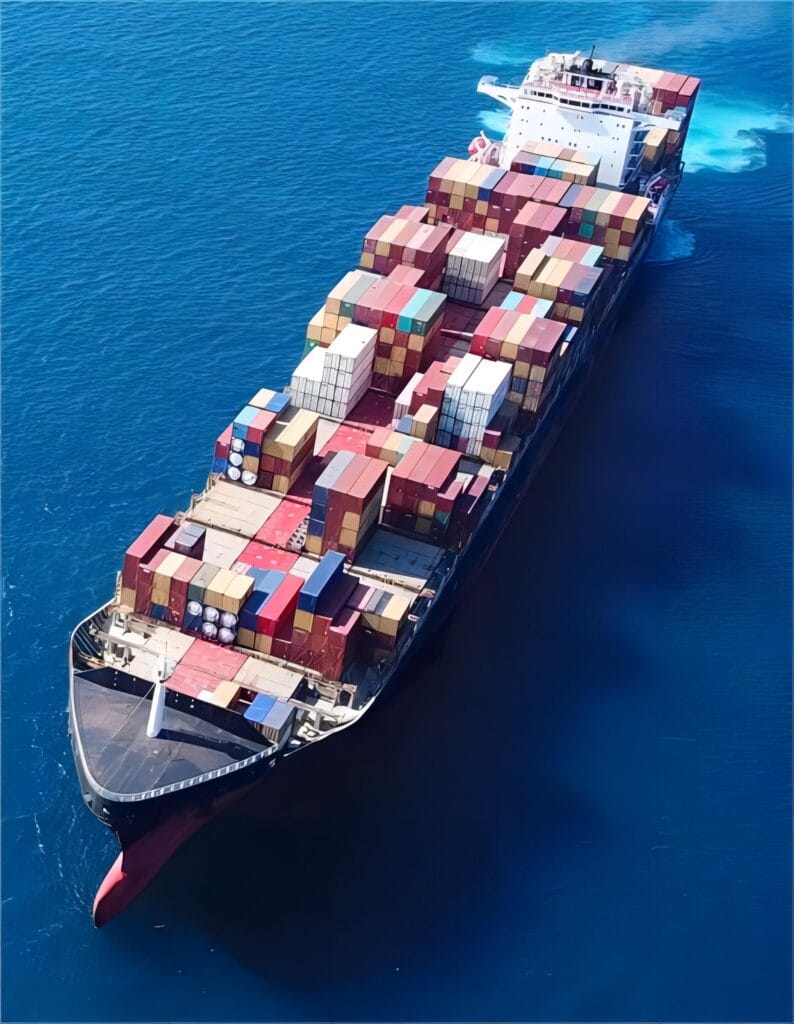
Sea freight remains the most economical choice for bulk shipments. Container shipping rates depend on container size:
- 20ft container: Around $1,000 to $3,000 depending on season and route.
- 40ft container: Typically $1,500 to $5,000 or more.
LCL (Less than Container Load) shipments are priced per cubic meter and are suitable for smaller shipments but can be more expensive per unit volume.

Air Freight Rates from China to the US
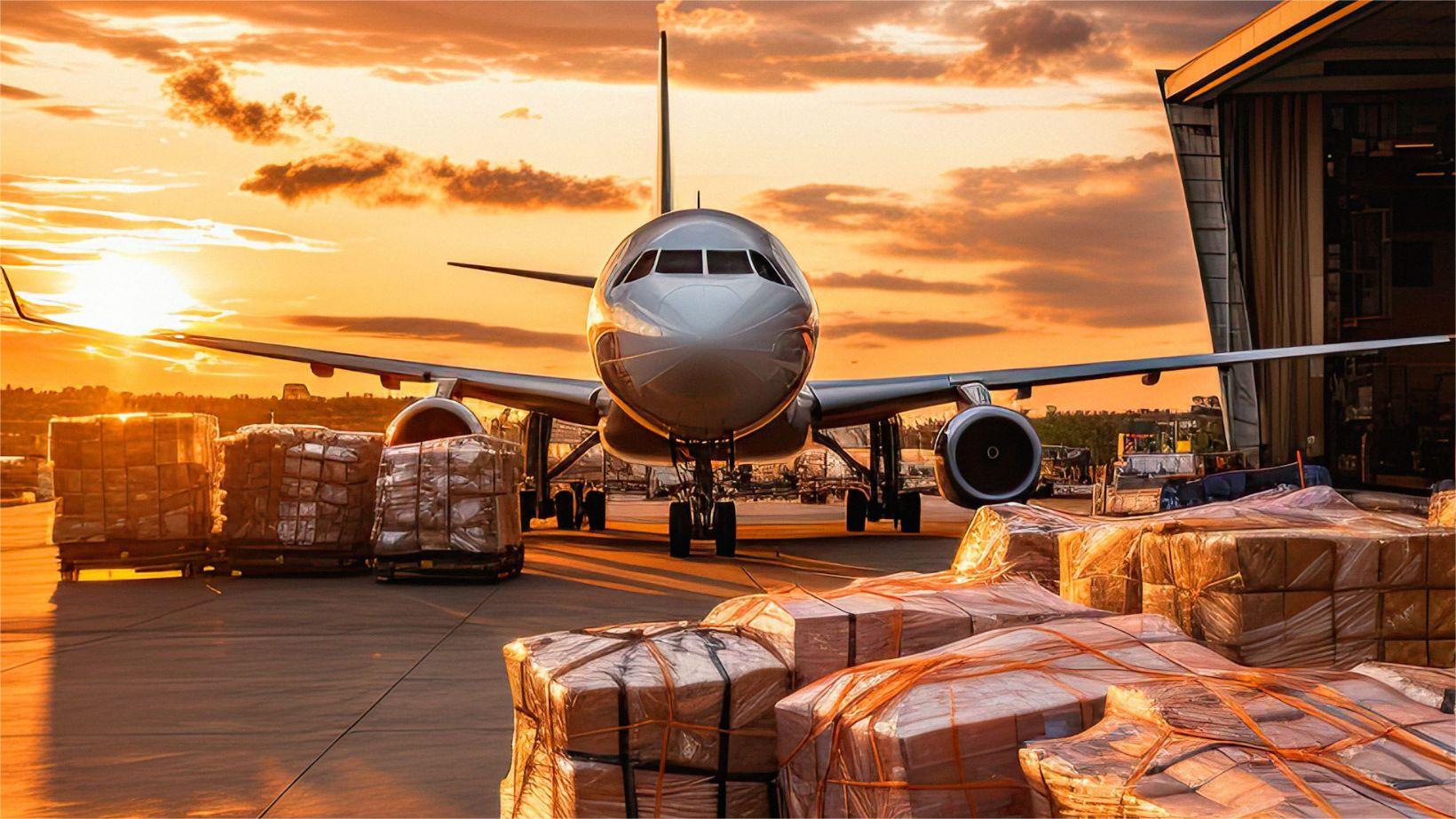
Air freight is ideal for urgent, lightweight, or high-value goods. Rates fluctuate between $4 and $8 per kilogram, depending on fuel prices, carrier, and season. Airlines sometimes offer consolidated services that can reduce costs for smaller shipments.
How to Lower Your China to US Shipping Rates
- Book early: Secure lower rates ahead of peak seasons.
- Consolidate shipments: Combine multiple orders into one container or air shipment.
- Choose the right shipping method: Balance cost with delivery speed.
- Negotiate with forwarders: Long-term partnerships can bring discounts.
- Optimize packaging: Reduce volume and weight to lower freight charges.
Ready to
freight from China to the USA?
Access live instant freight quotes
Detailed China to US Shipping Rates by Major Ports
| Route | Typical Sea Freight Rate (20ft Container) | Transit Time | Notes |
|---|---|---|---|
| Shanghai to Los Angeles | $1,200 – $3,000 | 18–25 days | Popular West Coast route |
| Shenzhen to Long Beach | $1,100 – $2,800 | 20–30 days | Busy port, frequent sailings |
| Ningbo to New York | $1,800 – $4,500 | 28–40 days | East Coast higher rates |
| Qingdao to Savannah | $1,700 – $4,200 | 30–40 days | Growing East Coast gateway |
Cost Breakdown by Product Category (Typical Shipping Rates per Unit)
| Product Type | Shipping Method | Average Shipping Cost (per unit) | Notes |
|---|---|---|---|
| Electronics (smartphones, tablets) | Air Freight | $5 – $12 per kg | Faster delivery needed |
| Apparel & Textiles | Sea Freight | $0.50 – $2 per kg | Bulk shipments common |
| Home Appliances | Sea Freight | $1 – $4 per kg | Large, heavy items |
| Toys and Gifts | Express Courier | $8 – $15 per kg | Small, high-value packages |
| Furniture | Sea Freight | $2 – $6 per kg | Usually FCL containers |
Tips to Negotiate Better China to US Shipping Rates
- Consolidate shipments: Combining smaller loads into full containers reduces per-unit costs.
- Be flexible with transit times: If your delivery isn’t urgent, opt for slower, cheaper options.
- Book early: Avoid last-minute bookings that incur premium rates, especially during peak seasons.
- Request multiple quotes: Compare offers from different forwarders to leverage better pricing.
- Understand incoterms: Clear agreements on costs and responsibilities can prevent unexpected fees.
Seasonal Trends Affecting China to US Shipping Rates
- Chinese New Year (January–February): Shipping volumes drop, and rates can spike before holidays due to increased demand. Plan shipments well in advance.
- Peak retail seasons (July to October): Rates rise as importers prepare for back-to-school and holiday sales.
- Winter months (November to December): Congestion at US ports may cause delays and increased demurrage charges, pushing up costs.
Awareness of these trends allows you to schedule shipments strategically and lock in better rates.
Request a Quote – Get Your Shipping Costs Now
What are you waiting for?
Contact TJ China Freight for a fast, free quote.
Are you ready to book?
Access live instant freight quotes
Why Choose Us?
- 10+ years in international logistics
- Competitive shipping rates
- Dedicated account manager
- Real-time cargo tracking
- Warehousing and consolidation services
We ensure your agent China is handled with maximum care and transparency.
ndustries We Serve
We’ve handled agent China for:
- Amazon Sellers (FBA)
- E-commerce businesses
- Industrial equipment
- Apparel and textiles
- Consumer electronics
- Automotive parts
Final Thoughts
Understanding and managing china to us shipping rates is crucial for optimizing your import operations. By choosing the right shipping method, timing your shipments well, and partnering with experienced freight forwarders, you can control costs and improve delivery efficiency. Keep abreast of market trends to secure the best rates and maintain a competitive edge in your business.
FAQ
1: Are shipping rates from China to the US fixed year-round?
No, they fluctuate due to demand, fuel costs, and global events.
2: Does the quoted shipping rate include customs fees?
No, customs duties and taxes are typically separate.
3: Can I ship hazardous goods from China to the US?
Yes, but special handling and permits are required.
4: What happens if my shipment is delayed?
Demurrage or storage fees may apply; work with your forwarder for solutions.
5: How can I track my shipment?
Most freight forwarders provide tracking numbers and online updates.