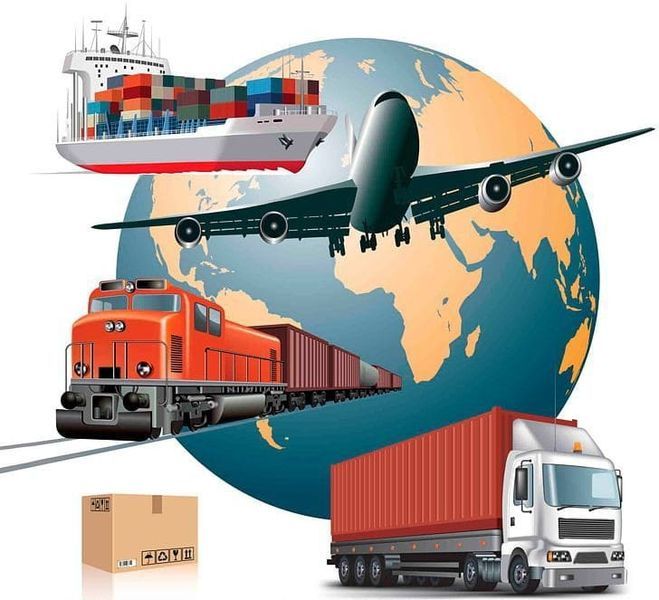
When businesses plan China to USA freight forwarding, they face challenges such as rising shipping costs, long transit times, and complex customs regulations. However, with the right freight forwarder, importers can simplify logistics, lower costs, and keep supply chains running smoothly.
Freight forwarding involves coordinating shipments from factories in China to destinations across the United States. Forwarders book cargo space, manage customs clearance, arrange inland trucking, and handle documentation. Moreover, they provide importers with cost-saving options and expert guidance.
2. How Long Does Freight Forwarding from China to USA Take?
Negotiated airline and carrier contracts ensure better pricing.
9. What Are the Pros and Cons of Each Shipping Mode?
Mode
Pros
Cons
Air Freight
Fast, secure
Expensive
Sea Freight
Cost-effective
Slow transit
Courier
Convenient, door-to-door
Costly for heavy goods
Rail Freight*
Balanced cost and speed
Only for China–Europe routes
*Rail is not available for USA routes but useful for comparisons.
10. How to Choose the Best China to USA Freight Forwarder?
Look for experience with US customs regulations.
Ensure transparent pricing with no hidden fees.
Ask about warehousing and distribution support.
Evaluate tracking systems and customer reviews.
Final Thoughts
Efficient China to USA freight forwarding requires the right balance of cost, speed, and reliability. By working with an experienced forwarder, businesses can simplify customs procedures, cut shipping costs, and ensure timely delivery. Therefore, choosing the right logistics partner is critical for maintaining a smooth and profitable import supply chain.
Q1: Can freight forwarders arrange door-to-door service from China to USA?
Yes, many forwarders provide DDP or DAP services, covering pickup, customs clearance, shipping, and final delivery to your chosen destination.
Q2: Do freight forwarders assist with customs compliance?
Yes, they help with HS code classification, import licenses, and document preparation, ensuring shipments comply with US Customs and Border Protection regulations.
Q3: How do freight forwarders handle high-value goods?
They arrange secure carriers, insurance coverage, and careful handling procedures, ensuring sensitive or high-value cargo reaches the United States safely and quickly.
Q4: Which Incoterms are commonly used for China to USA shipping?
FOB, CIF, and DDP are most common. The choice depends on responsibilities, cost-sharing, and risk allocation between buyers and sellers.
Q5: Do freight forwarders provide shipment tracking?
Yes. Many forwarders handle everything from pickup in China to final delivery in Australian warehouses.