

Recent China US air freight capacity drops are disrupting global supply chains. Businesses face rising costs, longer lead times, and limited cargo availability. However, understanding market shifts and adjusting logistics strategies can help companies manage risks and maintain steady trade flows.
1. What Does Air Freight Capacity Mean in Global Trade?
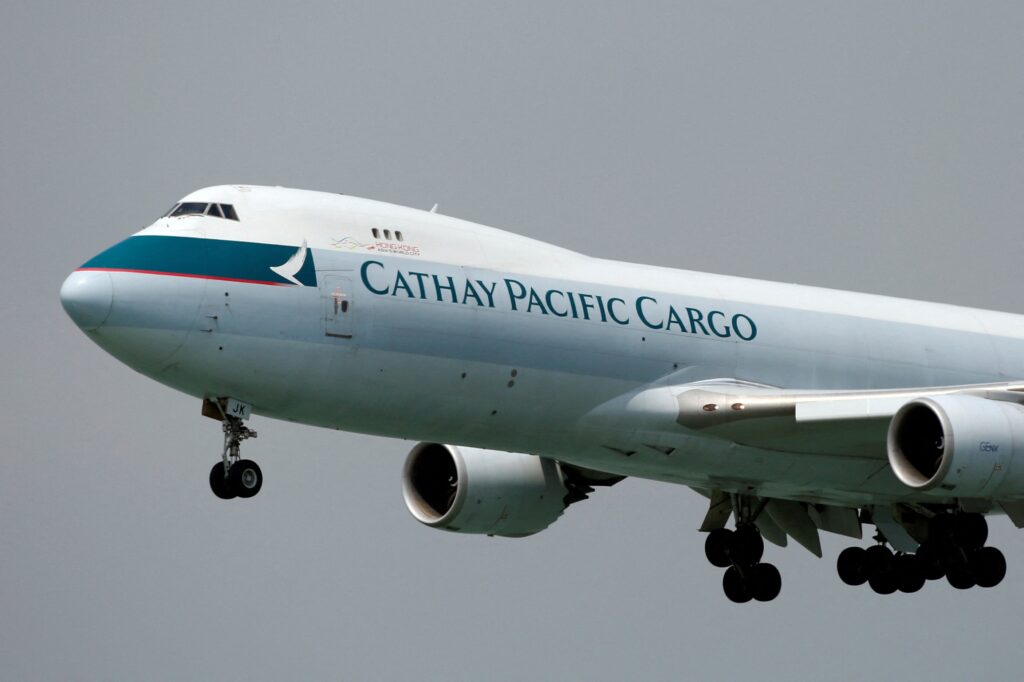
Air freight capacity refers to the available cargo space on passenger and freighter aircraft operating between China and the USA. When airlines reduce flights or restrict cargo volumes, capacity shrinks, pushing demand onto fewer planes. Consequently, this imbalance drives higher rates and impacts supply chain stability.
2. Why Are China US Air Freight Capacity Drops Happening?
Several factors explain the decline in air cargo availability:
- Reduced passenger flights cutting belly-hold cargo space.
- Rising fuel costs limiting airline profitability.
- Geopolitical tensions disrupting routes and schedules.
- Seasonal surges in demand outpacing supply.
- Regulatory changes impacting export/import clearances.
3. How Do Capacity Drops Affect Shipping Costs?
| Cargo Type | Pre-Drop Average (USD/KG) | Current Average (USD/KG) | Change |
|---|---|---|---|
| General Cargo | $4 – $6 | $7 – $10 | +40–60% |
| High-Value Goods | $6 – $9 | $10 – $14 | +50% |
| Express Parcels | $8 – $12 | $12 – $16 | +30% |
What are you waiting for?
Contact TJ China Freight for a fast, free quote.
Are you ready to book?
Access live instant freight quotes
4. What Is the Impact on Transit Times?
| Route | Normal Transit (Days) | Current Average (Days) | Notes |
|---|---|---|---|
| Shanghai – Los Angeles | 3–5 | 5–7 | Delays due to congestion |
| Shenzhen – Chicago | 4–6 | 6–8 | Reduced direct flights |
| Beijing – New York | 5–7 | 7–10 | Customs bottlenecks |
5. How Do Capacity Drops Affect Supply Chains?
- Inventory pressure: Importers must stock earlier.
- Unstable delivery schedules: Just-in-time models face risk.
- Higher landed costs: Price increases affect competitiveness.
- Shift to alternatives: Many shippers move partial volumes to sea or multimodal transport.
6. Should Businesses Shift from Air to Sea Freight?
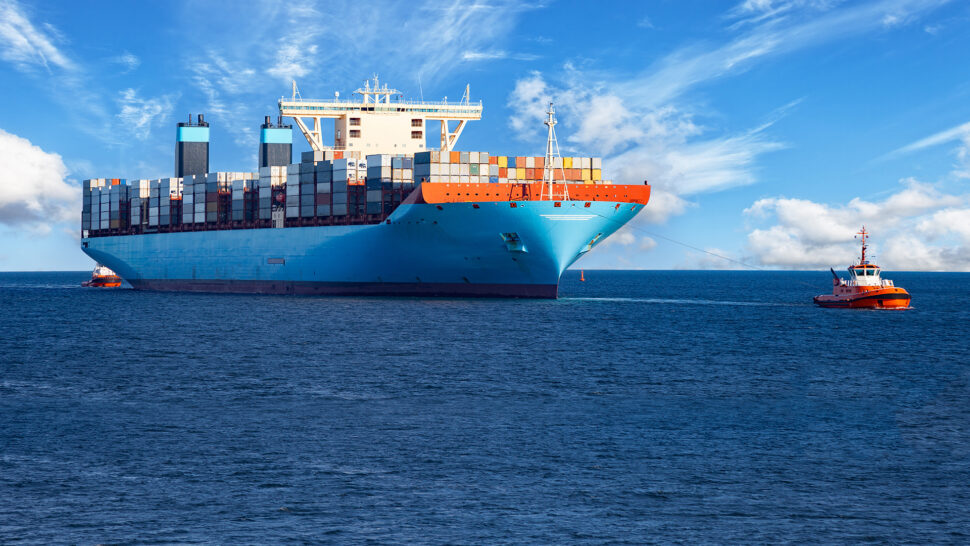
| Factor | Air Freight | Sea Freight |
|---|---|---|
| Speed | 3–7 days | 25–35 days |
| Cost | High | Low |
| Reliability | Schedule risk in capacity drops | Weather/port delays |
| Best For | Electronics, fashion, urgent goods | Bulk cargo, furniture, machinery |
7. Can Multimodal Shipping Solve the Problem?
Yes. Combining air + sea freight or air + rail helps balance urgency with cost. For example, urgent parts may ship by air while bulk stock follows by sea. Additionally, rail from China to Europe with transshipment to the US can bridge gaps during severe air freight shortages.
8. What Strategies Can Importers Use During Capacity Drops?
- Book shipments early to secure limited slots.
- Use freight forwarders with airline contracts for priority access.
- Split shipments between modes to balance risk.
- Optimize packaging to reduce volumetric weight.
- Plan around seasonal surges like Golden Week or year-end holidays.
9. Which Industries Are Most Affected?
- Electronics and semiconductors – dependent on fast delivery cycles.
- Fashion and retail – seasonal launches require strict deadlines.
- Pharmaceuticals – sensitive to temperature and time.
- E-commerce sellers – dependent on short lead times for customer satisfaction.
10. Do Capacity Drops Influence Customs and Documentation?
Yes. With fewer available flights, customs bottlenecks worsen. Importers must prepare flawless documentation to avoid delays.
| Required Document | Purpose |
|---|---|
| Commercial Invoice | Proof of declared value |
| Packing List | Detailed cargo breakdown |
| Air Waybill (AWB) | Transport contract |
| Customs Bond | Guarantees duty/tax payments |
| Import Licenses | Required for regulated products |
11. What Are the Pros and Cons of Alternatives to Air Freight?
| Mode | Pros | Cons |
|---|---|---|
| Air Freight | Fast, secure | High cost, capacity limits |
| Sea Freight | Cost-effective | Slow transit |
| Rail Freight* | Balanced cost/time | Only to Europe |
| Courier | Door-to-door | Very expensive for heavy cargo |
*Rail useful as part of multimodal routing.
12. How Do Freight Forwarders Help Businesses During Capacity Drops?
Freight forwarders offer:
- Access to priority space allocations with airlines.
- Consolidation services to reduce per-unit costs.
- Route optimization to find less congested lanes.
- Real-time tracking for visibility.
- Customs expertise to minimize clearance delays.
Final Thoughts
The ongoing China US air freight capacity drops highlight vulnerabilities in global supply chains. Higher costs, longer transit times, and tighter customs procedures are now the norm. However, businesses can adapt by diversifying modes, partnering with skilled freight forwarders, and leveraging multimodal shipping strategies. By preparing proactively, importers and exporters can maintain resilience even when capacity tightens.
FAQ
Q1: How can businesses prepare for future China US air freight capacity drops?
Importers should diversify transport methods, plan shipments earlier, maintain safety stock, and work with forwarders offering flexible routing and multimodal solutions.
Q2: Do freight forwarders offer guaranteed space during capacity shortages?
Some forwarders secure block space agreements with airlines, ensuring cargo priority. However, importers must book early to benefit from these allocations.
Q3: Can switching to sea freight completely offset air capacity reductions?
Not entirely. While sea freight saves costs, it adds weeks of transit. Many companies adopt hybrid strategies combining air and sea shipping.
Q4: What role does technology play in managing capacity shortages?
Digital tracking, AI-driven route optimization, and demand forecasting tools help businesses anticipate bottlenecks and improve decision-making during capacity constraints.
Q5: How do seasonal peaks affect China US air freight capacity?
Holidays like Golden Week and Christmas increase demand sharply, raising rates and extending lead times. Planning shipments well before these peaks is crucial.