

- By kelly
- September 11, 2025
- Tips or Guide
Warehouse in China Cost: Complete Guide for Importers and Businesses
For international businesses sourcing from China, understanding the warehouse in China cost is critical to managing supply chain efficiency. Many companies struggle with hidden fees, unpredictable storage charges, and complex fulfillment expenses. This guide breaks down real costs, compares warehouse options, and explains how to choose the right solution to save time and money.
1. What Factors Influence Warehouse in China Cost?
Several factors determine warehouse expenses:
- Location: Major hubs like Shenzhen, Guangzhou, Shanghai, and Ningbo have higher rent but better connectivity.
- Type of warehouse: General storage, bonded warehouse, or fulfillment center.
- Duration of storage: Short-term vs long-term contracts.
- Value-added services: Packaging, labeling, order fulfillment.
- Seasonal demand: Peak periods (Q4, pre-Chinese New Year) often increase rates.
2. How Much Does a Standard Warehouse in China Cost per CBM or Pallet?
| Storage Option | Average Cost (USD) | Billing Basis | Notes |
|---|---|---|---|
| General warehouse | $5 – $15 | Per CBM/month | Basic storage, no customs handling |
| Palletized storage | $8 – $20 | Per pallet/month | More efficient for bulk cargo |
| Bonded warehouse | $20 – $40 | Per CBM/month | Duty unpaid, ideal for re-export |
| Fulfillment warehouse (3PL) | $0.30 – $0.80 | Per order fee + storage | Includes pick & pack |
3. Why Choose a Bonded Warehouse in China?
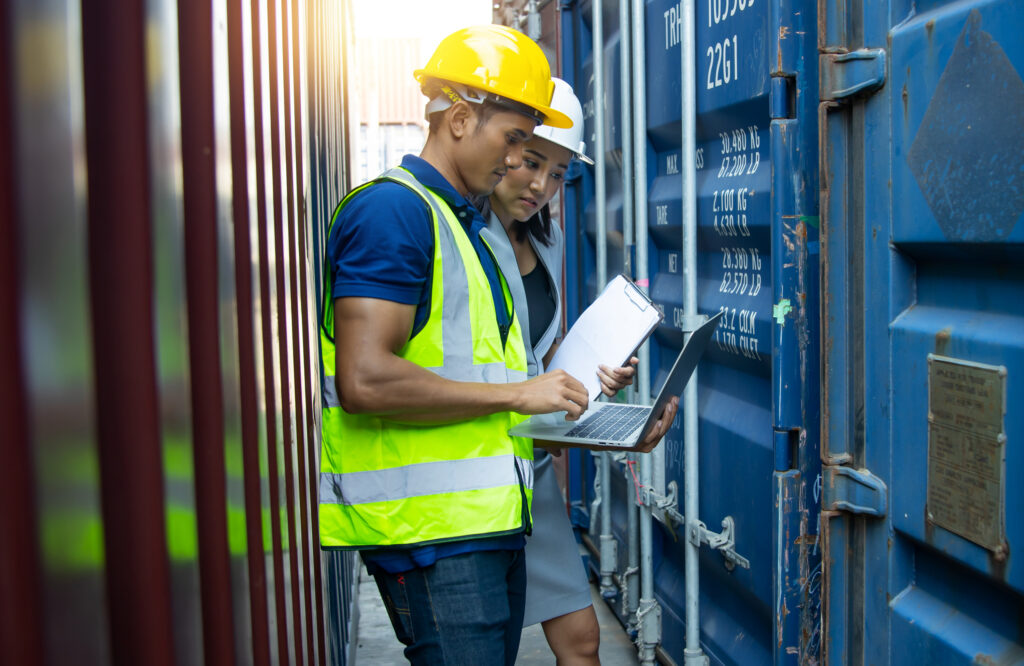
A bonded warehouse allows businesses to store goods without immediate customs clearance.
- Advantages:
- Defer duty & tax payments.
- Re-export goods without paying import duties.
- Useful for e-commerce sellers with global customers.
- Disadvantages:
- Higher warehouse in China cost compared to general storage.
- Stricter customs supervision.
4. Can Fulfillment Warehouses Reduce Supply Chain Costs?
Yes. Fulfillment warehouses managed by 3PLs (third-party logistics providers) are designed for e-commerce and fast-moving consumer goods.
Pros:
- Save on last-mile shipping by storing closer to customers.
- Efficient pick-pack-ship service.
- Integrated with platforms like Amazon, eBay, Shopify.
Cons:
- Higher per-order handling fees.
- Less flexibility for bulk shipments.
5. What Are Additional Costs Beyond Storage?
When calculating total warehouse in China cost, include:
- Inbound handling fee: $5 – $20 per shipment.
- Pick & pack service: $0.30 – $1.50 per item.
- Labeling & barcoding: $0.10 – $0.50 per unit.
- Customs clearance: Varies by HS code.
- Last-mile delivery: Based on weight & destination.
6. How Do Shipping Costs Compare When Using Warehousing?
| Shipping Method | Avg. Cost (USD) | Transit Time | Pros | Cons |
|---|---|---|---|---|
| Sea freight FCL | $1,200 – $2,500 | 25–40 days | Cheapest per CBM, bulk cargo | Slow, requires warehousing buffer |
| Sea freight LCL | $40 – $80/CBM | 30–45 days | Affordable for small loads | More handling, extra fees |
| Air freight | $4 – $8/kg | 5–10 days | Fast, reliable | Expensive |
| Express courier | $6 – $12/kg | 3–7 days | Door-to-door service | Limited for heavy goods |
Using warehouses helps consolidate shipments and reduce per-unit shipping costs.
7. Should Importers Use Short-Term or Long-Term Contracts?
- Short-term (monthly): More flexible, ideal for seasonal businesses.
- Long-term (6–12 months): Lower average warehouse in China cost, stability in busy seasons.
8. How Do Customs Documents Affect Warehousing?
| Document Required | Purpose | Risk if Missing |
|---|---|---|
| Commercial invoice | Declares value | Customs delays |
| Packing list | Cargo details | Higher inspection rate |
| Bill of lading/AWB | Shipping proof | Cargo release blocked |
| Import license (if any) | Regulated goods | Cargo held |
Proper documents ensure smooth entry into bonded warehouses and minimize penalties.
9. Do Different Chinese Cities Have Different Warehouse Costs?
Yes, location significantly affects price:
- Shenzhen/Guangzhou: Higher rates, ideal for exports to USA/EU.
- Shanghai/Ningbo: Central for Asia and Europe trade.
- Yiwu: Popular for small commodities, lower costs.
- Chengdu/Chongqing: Strategic for rail freight to Europe.
10. What Are the Pros and Cons of Warehousing in China?
| Pros | Cons |
|---|---|
| Lower storage costs vs Western countries | Language & cultural barriers |
| Closer to suppliers, faster consolidation | Customs procedures may be complex |
| Flexible short-term contracts available | Seasonal congestion increases rates |
| Access to bonded warehousing | Hidden fees if not clarified upfront |
📦Get a Free Quote
Looking for a reliable partner to manage your warehouse in China cost effectively? Our logistics experts provide storage, fulfillment, and shipping solutions tailored to your needs. Contact us today to get a free quote and streamline your global supply chain.
❓ Frequently Asked Questions
1. How much does warehouse storage in China cost per pallet?
On average, pallet storage ranges from $8 to $20 per pallet per month, depending on location, warehouse type, and contract duration.
2. Are bonded warehouses in China more expensive?
Yes, bonded warehouses cost $20–$40 per CBM monthly but allow deferred duty payments, which benefits re-export businesses.
3. What hidden fees should I watch for in Chinese warehouses?
Watch for handling, labeling, minimum storage, and late retrieval charges. Always request a detailed price list before signing.
4. Can I use Chinese warehouses for Amazon FBA shipments?
Yes, many 3PL fulfillment centers in China specialize in Amazon FBA prep services including labeling, bundling, and repackaging.
5. Is long-term warehousing cheaper in China?
Generally yes. Committing to 6–12 months can lower monthly rates and secure space during peak demand seasons.
Conclusion
The warehouse in China cost varies depending on location, warehouse type, and services required. While bonded and fulfillment warehouses are more expensive, they provide valuable advantages like deferred duties and integrated logistics support. Businesses should compare options, negotiate transparent contracts, and align warehousing with their shipping strategy. By doing so, importers can cut costs, improve delivery schedules, and strengthen their global supply chain.