

- By kelly
- October 22, 2025
- Logistics, Tips or Guide
Clothing Air Freight from China: Costs, Transit & Customs Guide

In the fast-paced fashion industry, clothing air freight from China is often the preferred solution for importers who cannot afford delays. While sea freight dominates bulk apparel shipments, air cargo ensures speed, reliability, and security for urgent orders. However, costs, customs documentation, and seasonal demand can complicate the process. This guide explains everything you need to know about shipping clothes by air—from costs and transit times to customs clearance and packaging best practices.
1. What Is Clothing Air Freight from China?
Clothing air freight refers to the transportation of apparel, textiles, and fashion accessories from Chinese manufacturers to international destinations via air cargo.
It is widely used by fashion retailers, wholesalers, and e-commerce sellers who require:
- Faster delivery to meet seasonal demand.
- Secure transport for high-value apparel.
- Lower risk of damage compared to ocean freight.
2. How Long Does Clothing Air Freight Take from China?
Air freight is significantly faster than sea freight, but exact timelines depend on route and airline availability.
| Route | Average Transit Time | Notes |
|---|---|---|
| China → USA (LAX/JFK) | 5–7 days | Direct flights shorten delivery |
| China → Europe (London/Frankfurt) | 4–6 days | Popular for fashion retailers |
| China → Middle East (Dubai) | 3–5 days | Ideal for fast-fashion demand |
| China → Africa (Johannesburg) | 6–8 days | Longer customs checks |
Therefore, businesses needing urgent apparel shipments choose air freight to avoid retail stockouts.
3. How Much Does Clothing Air Freight from China Cost?
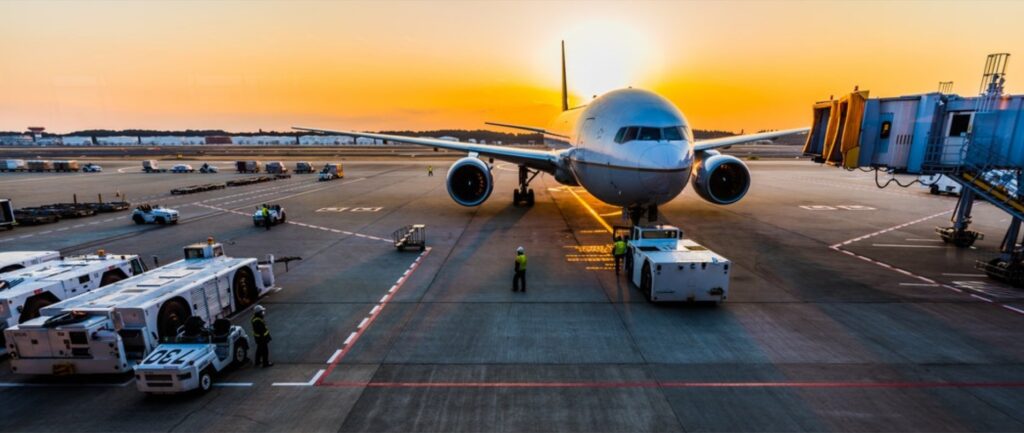
Air freight costs are calculated based on chargeable weight (actual or volumetric).
| Shipping Method | Approximate Cost | Pros | Cons |
|---|---|---|---|
| Air Freight | $5–$9/kg | Fast, reliable | Expensive for bulk clothing |
| Sea Freight (20ft FCL) | $2,000–$3,500 | Lowest per-unit cost | 25–35 days transit |
| Rail Freight (40ft to EU) | $6,000–$7,500 | Balanced speed/cost | Limited destinations |
| Courier (DHL/FedEx/UPS) | $8–$15/kg | Door-to-door service | Not viable for bulk |
Moreover, peak seasons (Christmas, Chinese New Year) increase rates due to capacity shortages.
4. Why Choose Air Freight for Clothing?
- Speed: Ideal for urgent orders, new launches, or seasonal fashion cycles.
- Reliability: Lower risk of shipping delays compared to sea freight.
- Security: Safer for branded or luxury apparel.
- Flexibility: Suitable for small- and medium-sized shipments.
Therefore, while more expensive, air freight supports time-sensitive supply chains.
5. Should You Use Air Freight or Sea Freight for Apparel?
| Factor | Air Freight | Sea Freight |
|---|---|---|
| Transit Time | 4–9 days | 25–35 days |
| Cost | High | Low per unit |
| Best For | Urgent, seasonal clothing | Bulk imports |
| Risk of Damage | Low | Moderate (moisture risk) |
Thus, air freight is recommended when speed outweighs cost.
6. What Customs Documents Are Required for Clothing Air Freight?
Accurate paperwork ensures smooth clearance.
| Document | Purpose |
|---|---|
| Commercial Invoice | Declares apparel type, value, and details |
| Packing List | Lists sizes, cartons, and weight |
| Air Waybill | Proof of transport |
| Certificate of Origin | Required for customs duty calculation |
| Import License (if applicable) | For restricted clothing items |
| Customs Bond (USA) | Mandatory for shipments above $2,500 |
Additionally, U.S. clothing imports must follow FTC labeling laws (fiber content, origin, care instructions).

7. Which Chinese Airports Handle Clothing Air Freight?
- Shanghai Pudong (PVG): Largest apparel export hub.
- Shenzhen Bao’an (SZX): Key for South China textile shipments.
- Guangzhou Baiyun (CAN): Strong Europe and U.S. connectivity.
- Beijing Capital (PEK): Serves North China manufacturers.
Choosing the closest hub minimizes inland trucking costs.
8. What Are the Import Duties on Clothing from China?
Clothing is one of the most tariffed categories in global trade.
- USA: Duties range 5–32% depending on fabric and HS Code.
- Europe: 12–15% duty plus VAT (country-specific).
- Middle East: Duties vary, often 5–10%.
Therefore, proper HS code classification avoids overpayment and customs penalties.
9. How to Package Clothing for Air Freight?
Air freight packaging must balance protection and weight optimization:
- Use poly bags for individual garments.
- Pack in reinforced cartons with moisture protection.
- Label cartons with SKU codes, sizes, and barcodes.
- Secure cartons with tamper-proof seals.
- Avoid overpacking to reduce volumetric charges.
Additionally, many importers use palletized shipments for easier handling.
10. How to Reduce Clothing Air Freight Costs?
- Book early to secure capacity.
- Consolidate shipments with a freight forwarder.
- Optimize packaging to reduce dimensional weight.
- Choose off-peak seasons when rates are lower.
- Use multimodal options (air + rail/sea).
Therefore, strategic planning reduces expenses significantly.
11. What Are the Risks in Clothing Air Freight?
- High freight costs during peak seasons.
- Limited capacity causing rate surcharges.
- Customs delays due to incorrect paperwork.
- Restrictions on hazardous items like leather treatments.
However, partnering with reliable forwarders minimizes these risks.
📦Get a Free Quote
If you need fast, reliable, and professional clothing air freight from China, our logistics team can provide tailored solutions. We handle customs, optimize routes, and ensure on-time delivery for apparel importers worldwide. Contact us today to request a free quote.
❓ Frequently Asked Questions
1. What is the fastest way to ship clothing from China?
Air courier services (DHL, FedEx, UPS) deliver within 3–6 days, faster than standard air freight.
2. How much does clothing air freight cost per kg?
On average, $5–$9 per kg, though express courier services may cost $8–$15 per kg.
3. Do clothing imports from China face tariffs in the U.S.?
Yes, most apparel imports are taxed between 5–32% depending on HS Code classification.
4. Can small businesses use air freight for clothing?
Yes, SMEs and e-commerce sellers benefit from LCL air consolidations and courier services.
5. Which Chinese airport is best for clothing exports?
Shanghai Pudong (PVG) and Shenzhen (SZX) are the busiest for apparel exports.
Conclusion
Clothing air freight from China is the fastest and most reliable way to transport apparel internationally. While more expensive than sea freight, it ensures speed, security, and reduced supply chain risk—making it the best choice for time-sensitive fashion cycles.
By selecting the right shipping strategy, preparing accurate documents, and partnering with an experienced freight forwarder, businesses can manage costs effectively while keeping their clothing supply chains efficient and competitive.