

When businesses look for reliable and cost-effective clothing sea freight from China, they often face challenges such as longer transit times, customs paperwork, and cargo handling requirements. However, with proper planning, accurate documentation, and the right logistics partner, apparel importers can significantly reduce costs while ensuring a smooth and predictable supply chain.
1. What Makes Sea Freight Ideal for clothing sea freight from china?
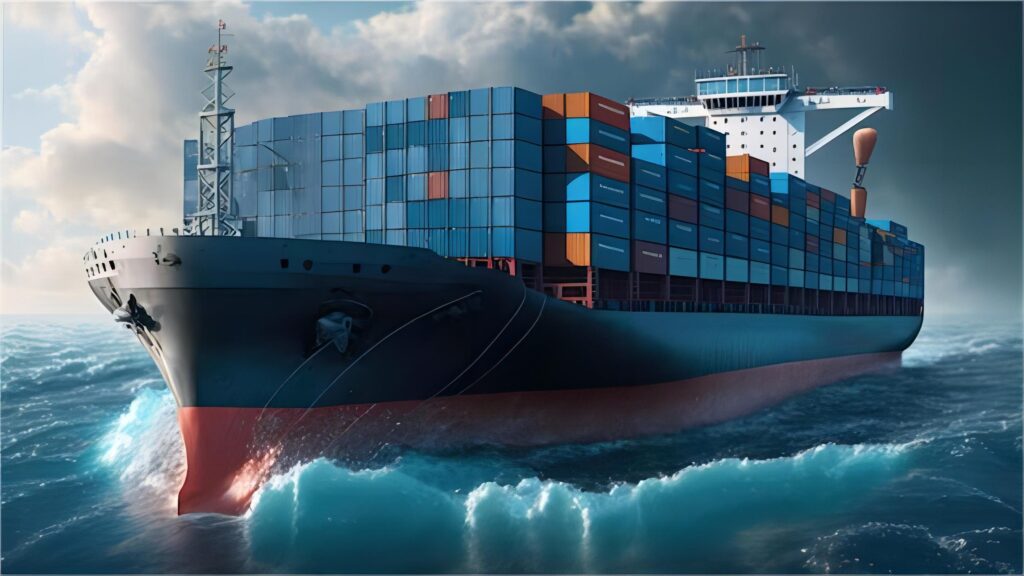
Sea freight is the most cost-efficient method for transporting large quantities of clothing. Moreover, the apparel industry benefits greatly from container shipping because garments are lightweight but bulky, making air freight significantly more expensive.
Key Reasons Sea Freight Works Well for Clothing
- Lower cost per CBM for large shipments
- Flexible options: FCL, LCL, consolidation
- Suitable for seasonal and high-volume inventory
- Lower carbon footprint than air freight
- Works well for garments packed in cartons or hanging systems
Long-tail keywords integrated:
bulk clothing shipping China, cheapest method to ship clothes, China apparel freight, ocean freight clothing suppliers, large-volume clothing logistics China
Semantic keywords included: shipping costs, supply chain management, delivery schedule, logistics trends, fashion import workflow, apparel distribution
2. How Much Does clothing sea freight from china Cost?
Sea freight pricing varies depending on container size, route, season, and destination. Additionally, apparel shipments may incur extra charges for fumigation, palletization, or moisture-control solutions such as desiccants.
| Shipment Type | Estimated Cost | Notes |
|---|---|---|
| 1 CBM LCL | $50–$120 | Best for small clothing batches |
| 5–10 CBM LCL | $60–$100/CBM | Lower rate for larger volumes |
| 20GP Container | $1,200–$2,000 | Fits 28–33 CBM of apparel |
| 40HQ Container | $1,800–$3,000 | Fits 65–76 CBM for bulk garments |
| Moisture-control cost | $20–$80 | Recommended for sea freight clothing |
Long-tail keywords included:
cheap sea freight China, cost to ship clothing by sea, container shipping apparel China, China garment CBM shipping cost
Are you ready to book?
Access live instant freight quotes
3. How Long Does clothing sea freight from china Take?
Transit times vary based on destination port, shipping line, and customs processing. Additionally, weather and peak seasons can impact schedules.
| Destination | Sea Freight Transit Time |
|---|---|
| USA (West Coast) | 15–25 days |
| USA (East Coast) | 28–40 days |
| Europe (North) | 28–40 days |
| Europe (South) | 20–35 days |
| Middle East | 18–30 days |
| Africa | 30–45 days |
Semantic keywords included: delivery timeline, freight schedule, global shipping transit times, apparel shipping duration
4. What Shipping Methods Are Available for clothing sea freight from china?
Sea freight offers multiple shipping setups depending on your cargo size and season planning.
FCL (Full Container Load)
- Best for bulk apparel shipments
- Lower risk of damage or mixing
- More predictable transit time
LCL (Less than Container Load)
- Affordable for small-to-mid apparel orders
- Consolidated cargo from multiple suppliers
- Slightly longer handling and customs time
Consolidation Services
- Combines goods from several suppliers into one container
- Reduces cost and improves efficiency
- Popular for fashion brands with multiple factories
Long-tail keywords included:
FCL clothing shipping China, LCL apparel logistics, China clothing cargo consolidation, multi-supplier apparel shipping
5. What Documents Are Required for clothing sea freight from china?
Accurate documentation is essential to avoid customs delays, re-inspections, or penalties. Moreover, apparel often requires fabric composition declarations for tariff classification.
| Document | Required For | Description |
|---|---|---|
| Commercial Invoice | All shipments | Product details, HS codes, unit price |
| Packing List | All shipments | Carton count, weight, CBM |
| Bill of Lading | Sea freight | Issued by shipping line |
| Certificate of Origin | Some destinations | May reduce import duty |
| Fabric Composition Statement | Clothing | Required for textile imports |
| Import License | Regulated categories | Needed for some textile quotas |
| Fumigation Certificate | Wooden pallets | If applicable |
Long-tail keywords included:
textile customs clearance China, HS code for clothing import, apparel documentation requirements, garment import compliance
6. What Are the Pros and Cons of Sea Freight for Clothing?
Sea freight is widely used for garments but has some drawbacks.
| Mode | Pros | Cons |
|---|---|---|
| Sea Freight | Cheapest for bulk clothing; large capacity | Slow; moisture risk |
| Air Freight | Fast, low damage risk | Expensive for bulky apparel |
| Rail Freight | Balanced speed & cost; eco-friendly | Limited route access |
| Express | Best for samples | Very costly for bulk clothing |
Semantic keywords included: freight comparison, import–export strategy, logistics optimization, apparel supply chain
7. How Should Clothing Be Packed for Sea Freight?
Proper packaging ensures garments remain clean, dry, and undamaged during long ocean voyages. Additionally, moisture control is crucial due to fluctuating temperatures at sea.
Recommended Packing Methods
- Use polybags for each garment
- Add silica gel or desiccant packs to prevent moisture
- Use sturdy double-wall cartons
- Seal boxes with waterproof tape
- Consider vacuum packing for bulk t-shirts
- Apply clear labeling for customs inspection
Long-tail keywords included:
clothing packing for sea freight, moisture control for garments, apparel packaging tips China export
8. How to Reduce Costs for clothing sea freight from china?
Because sea freight is driven by CBM volume and seasonal rate changes, smart planning significantly reduces expenses.
Practical Cost-Saving Techniques
- Ship during off-peak seasons
- Consolidate multiple suppliers into one container
- Optimize carton sizes to reduce CBM
- Use FOB terms for better freight control
- Avoid overpacking that inflates volume
- Use LCL only when necessary
Long-tail keywords included:
reduce clothing shipping cost China, cheapest apparel sea freight, lower freight bill clothing shipments
9. How Does Customs Work for clothing sea freight from china?
Clothing imports often require detailed classification based on fabric, composition, and purpose. Moreover, some countries impose quotas or special duties on apparel categories.
Key Customs Considerations
- HS codes vary for cotton, polyester, wool, etc.
- Incorrect classification leads to higher duties
- Some countries require textile inspection
- Importers must provide detailed packing lists
- Customs may check for counterfeits in branded apparel
Semantic keywords included: customs duty calculation, textile inspection, tariff classification, apparel compliance
10. Should You Use DDP, DAP, or FOB for clothing sea freight from china?
These Incoterms determine who pays shipping, who manages risks, and who handles customs.
DDP (Delivered Duty Paid)
- Seller handles all import duties and taxes
- Convenient but slightly more expensive
DAP (Delivered at Place)
- Seller delivers to destination
- Buyer pays duties and taxes
FOB (Free On Board)
- Buyer controls freight from port of loading
- Ideal for experienced importers
Long-tail keywords:
DDP clothing shipping China, DAP apparel freight, FOB Incoterms for clothing imports
Conclusion
Efficient clothing sea freight from china requires a clear understanding of transit times, container options, customs documentation, and packaging requirements. By selecting the right freight method, planning shipments around fashion seasons, and partnering with a skilled logistics provider, apparel brands can reduce shipping costs, prevent delays, and maintain a competitive edge in global markets. A strong, well-managed sea freight strategy ensures your clothing products arrive on time, in excellent condition, and at the lowest possible cost.
FAQ
1. Is sea freight the cheapest way to ship clothing from China?
Yes, with proper packaging and containerization, fragile goods like electronics, glass, or ceramics can be safely shipped by sea without damage.
2. What is the average transit time for sea shipping clothing?
Fast sea freight uses direct ocean routes and priority port handling, while express shipping refers to air couriers such as DHL, FedEx, or UPS.
3. Do I need special documents to import clothing?
Insurance is strongly recommended, as it covers risks like damage, theft, or delays during the long transit across international waters.
4. How can I prevent moisture damage during sea freight?
Yes, most carriers and freight forwarders provide digital tracking systems that display vessel position, estimated arrival, and customs status updates.
5. Can I consolidate clothing from multiple suppliers in China?
These are charges applied when containers are held beyond free time at ports or terminals, often caused by delayed pickup or customs clearance.