Container Freight Rates from China: Your Ultimate Guide
Shipping goods from China can be a complex process, particularly when it comes to understanding container freight rates from China. Many businesses face fluctuating costs, unexpected surcharges, and lengthy transit times, which can significantly impact their bottom line. This comprehensive guide aims to demystify these rates, offering clear insights and practical strategies to help you optimize your shipping budget and streamline your logistics operations.
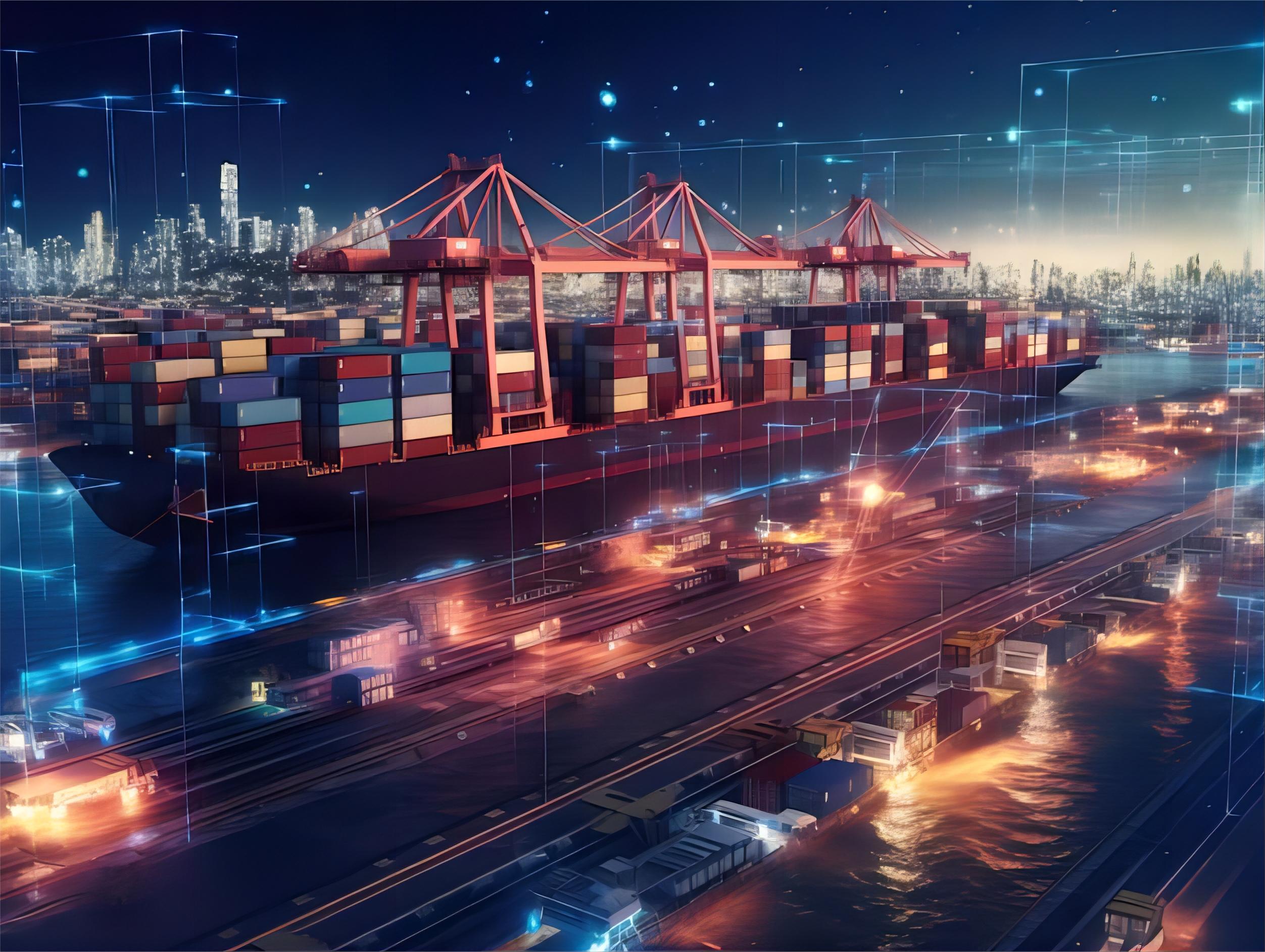
What Influences Container Freight Rates from China?
Many elements impact the final container freight rates from China, making them highly variable. Understanding these factors is crucial for accurate budgeting and strategic planning. Businesses often overlook hidden costs, leading to budget overruns.
Key Factors Affecting Costs
Several core components determine the overall shipping cost. These include the origin and destination ports, the chosen shipping method, and the specific type of cargo. Furthermore, the dimensions and weight of your shipment also play a significant role. Fuel prices, for instance, directly influence carrier surcharges. Port congestion, especially in peak seasons, can also lead to additional fees and delays. Therefore, staying informed about these variables is essential for managing your sea freight expenses.
Market Dynamics and Seasonal Variations
Global economic conditions and geopolitical events frequently cause shifts in freight rates. For example, trade disputes or new regulations can quickly alter pricing structures. Moreover, supply and demand imbalances for vessel space heavily influence market rates. Seasonal peaks, such as before major holidays like Chinese New Year or the Christmas shopping season, inevitably drive up container freight rates from China. During these times, demand for shipping capacity surges, resulting in higher prices and potential delays. Planning ahead can mitigate these impacts.
How Do Container Freight Rates from China Compare Across Shipping Methods?
When importing from China, choosing the right shipping method is paramount for balancing cost and speed. Each option presents distinct advantages and disadvantages, directly impacting your overall shipping costs from China. Consequently, a careful evaluation is always recommended.
| Shipping Method | Cost Range (per kg/CBM) | Transit Time | Best For | Limitations |
|---|---|---|---|---|
| Sea Freight | Low ($0.05-$0.15/kg) | 15-45 days | Large volumes, non-urgent goods | Slow, port congestion |
| Air Freight | High ($4-$8/kg) | 3-10 days | Urgent, high-value, perishable goods | Expensive, volume limits |
| Rail Freight | Medium ($1-$3/kg) | 12-25 days | Europe/Central Asia, balanced speed/cost | Limited routes, less capacity |

Sea Freight: The Cost-Effective Choice
Sea freight remains the most economical option for large volumes and heavy cargo. While transit times are longer, it offers unparalleled capacity for shipping containers from China to global destinations. This method is ideal for businesses not constrained by urgent delivery schedules. Typical ocean freight rates China to USA or Europe are significantly lower per unit compared to air transport. However, it requires meticulous planning due to longer lead times and potential port delays. Learn more about flexible door to door services.
Air Freight: Speed at a Premium
For time-sensitive shipments, air freight offers the fastest transit times. This method is crucial for high-value goods, perishable items, or urgent product launches. Nevertheless, its primary drawback is the considerably higher cost. Air freight from China prices are determined by weight and volume, often making it unsuitable for bulky cargo. Despite the expense, the speed can significantly reduce inventory holding costs and improve market responsiveness. Explore expedited express service options.
Rail Freight: A Balanced Alternative
Rail freight provides a compelling middle-ground for shipments to Europe and Central Asia. It is faster than sea freight but more economical than air freight. This option is gaining popularity for its reliability and environmental benefits. The rail freight China Europe cost depends on the specific route and service level. While not available for all destinations, it offers a viable solution for optimizing transit time China to Europe without the high air freight prices. Consider rail freight for a good balance.
Container Types and Their Impact on Freight Rates
The type of container you choose directly affects your shipping container prices China. Standard dry containers are the most common, but specialized options exist for unique cargo requirements. Understanding these differences is vital for accurate budgeting.
Understanding FCL vs. LCL
Full Container Load (FCL) means your goods fill an entire container, regardless of whether it’s completely full. FCL generally offers lower per-unit costs and faster transit times because there’s no need for consolidation or deconsolidation. This is often the most straightforward option. Less than Container Load (LCL) involves sharing container space with other shippers. While LCL at $50-80/CBM can be more economical for smaller shipments (under 15 CBM), it typically incurs higher per-CBM rates and longer transit times due to the additional handling required. Many freight forwarders offer Amazon FBA services that often utilize LCL.
Specialized Containers
Beyond standard dry containers (20GP, 40GP, 40HQ), specialized containers are available for specific needs. These include refrigerated (reefer) containers for temperature-sensitive goods or open-top and flat-rack containers for oversized cargo. Such specialized equipment often comes with a premium rate due to their limited availability and specific handling requirements.
Strategies to Optimize Your Container Freight Rates from China
Reducing your international shipping costs China requires proactive strategies and careful planning. By implementing smart logistics practices, businesses can significantly lower their expenses and improve overall supply chain efficiency. Consider these approaches to optimize your budget.
Effective Planning and Booking
Booking shipments well in advance, especially during peak seasons, helps secure better rates. Last-minute bookings often incur premium charges due to limited space. Furthermore, flexibility with shipping dates can also lead to cost savings. Negotiating with multiple freight forwarders for China freight forwarder rates is also beneficial. Comparing quotes and services ensures you get the best value for your specific shipping needs. This competitive approach often yields favorable outcomes.
Consolidation and LCL Optimization
For businesses with multiple small orders from various suppliers, cargo consolidation is an excellent strategy. Combining several smaller shipments into one larger LCL or even FCL shipment can drastically reduce per-unit costs and simplify customs clearance China shipping processes. This approach streamlines your logistics. Maximizing container utilization is equally important. Efficient loading, sometimes requiring professional cargo handling expertise, ensures you pay for as little unused space as possible. This directly impacts your FCL vs LCL shipping costs China.
Leveraging Technology and Expertise
Utilizing freight management software can provide real-time tracking and analytics, helping identify cost-saving opportunities. Furthermore, partnering with an experienced freight forwarder who understands managing logistics from China is invaluable. Their expertise can navigate complex regulations and find the most efficient routes. They can also assist with customs brokerage.
Real-World Scenarios: Navigating Container Freight Rates from China
Examining actual shipping cases provides practical insights into how various factors influence container freight rates from China. These examples illustrate the complexities and successful strategies in real-world import/export operations. Each scenario highlights different challenges and solutions.
Case Study 1: Electronics to North America
This FCL shipment leveraged a direct route to the USA West Coast, minimizing transit time and avoiding transshipment delays. Based on Q3 2024 market rates, securing space directly with a major carrier proved cost-effective.
| Detail | Value |
|---|---|
| Route | Shenzhen, China Los Angeles, USA |
| Cargo | Consumer Electronics, 28 CBM, 12,000 kg |
| Container | 40HQ |
| Carrier/Service | Major carrier (e.g., COSCO) |
| Port of Loading | Yantian, Shenzhen |
| Port of Discharge | Port of Los Angeles |
| Route Type | Direct |
| Ocean Freight | $3,200 |
| Origin Charges | $450 |
| Destination Charges | $380 |
| Customs & Duties (est.) | $550 |
| Total Landed Cost | $4,580 |
| Booking to Loading | 5 days |
| Sea Transit | 15 days |
| Customs Clearance | 3 days |
| Total Door-to-Door | 23 days |

Case Study 2: Textiles to Europe via LCL
For this smaller volume, LCL was the most economical choice, despite the longer transit time due to transshipment. This example reflects typical rates as of early 2025 for a reliable NVOCC service.
| Detail | Value |
|---|---|
| Route | Shanghai, China Hamburg, Germany |
| Cargo | Fashion Textiles, 8 CBM, 2,500 kg |
| Container | LCL 8 CBM |
| Carrier/Service | NVOCC (Non-Vessel Operating Common Carrier) |
| Port of Loading | Shanghai |
| Port of Discharge | Port of Hamburg |
| Route Type | Transshipment via Singapore |
| Ocean Freight | $640 (at $80/CBM) |
| Origin Charges | $280 |
| Destination Charges | $320 |
| Customs & Duties (est.) | $300 |
| Total Landed Cost | $1,540 |
| Booking to Loading | 7 days |
| Sea Transit | 35 days |
| Customs Clearance | 4 days |
| Total Door-to-Door | 48 days |
Case Study 3: Machinery Parts to Australia
This 20GP shipment to Australia benefited from competitive direct rates and efficient port operations. Based on current market rates, this route offers relatively fast sea transit for the region.
| Detail | Value |
|---|---|
| Route | Ningbo, China Sydney, Australia |
| Cargo | Industrial Machinery Parts, 18 CBM, 9,000 kg |
| Container | 20GP |
| Carrier/Service | Major carrier (e.g., Maersk) |
| Port of Loading | Ningbo |
| Port of Discharge | Port of Sydney |
| Route Type | Direct |
| Ocean Freight | $1,100 |
| Origin Charges | $300 |
| Destination Charges | $250 |
| Customs & Duties (est.) | $400 |
| Total Landed Cost | $2,050 |
| Booking to Loading | 6 days |
| Sea Transit | 16 days |
| Customs Clearance | 2 days |
| Total Door-to-Door | 24 days |
How Does Sea Freight Compare to Other Shipping Options?
While sea freight is often the default for large imports, it is essential to compare it against other viable methods. Different scenarios demand different solutions, thus understanding alternatives can optimize both cost and delivery schedule. This comprehensive comparison assists in informed decision-making.
Sea Freight vs. Air Freight
Sea freight costs for a 40HQ from China to Europe typically range from $3,000 to $4,200, with a transit of 28-35 days. In contrast, air freight for a similar volume could cost $15,000-$25,000 but arrives in 5-7 days. The trade-off between cost and speed is significant. Air freight is indispensable for urgent or high-value goods where speed justifies the premium. Conversely, sea freight is ideal for bulk, non-perishable items where longer transit times are acceptable. This decision heavily influences overall supply chain costs.
Sea Freight vs. Rail Freight (for applicable routes)
For destinations like Europe, rail freight offers a compelling alternative to sea. A China to Europe rail shipment might cost $1-$3/kg, compared to sea freight’s $0.05-$0.15/kg, but delivers in 12-25 days versus 28-35 days for sea. Rail provides a faster option without the exorbitant air freight expense. Rail is particularly suitable for mid-sized, non-urgent shipments to landlocked European regions. However, its route network is more limited than sea freight. Always consider your specific destination when evaluating rail freight China Europe cost.
FCL vs. LCL: Volume Thresholds
For shipments under 15 CBM, LCL at $50-80/CBM may be more economical than a full container. However, once your cargo approaches 15-20 CBM, an FCL 20GP container often becomes more cost-effective due to lower per-unit handling charges. This threshold is critical for cost optimization. Direct FCL routes, while sometimes 10-15% more expensive, can save 5-7 days compared to LCL or FCL transshipment via major hubs like Singapore or Port Klang. This speed advantage can be crucial for inventory management.
Which Option Should You Choose? (Decision Framework)
Budget priority: If cost is your primary concern, sea freight (FCL for larger volumes, LCL for smaller) is recommended.
Speed priority: For urgent deliveries, air freight or express service is the clear choice.
Cargo type considerations: Perishable or high-value goods often require air freight. Bulky, low-value goods are best suited for sea freight.
Volume thresholds: Evaluate your total CBM. For 15+ CBM, FCL is generally superior. Below 15 CBM, LCL is often more economical.
Hybrid solutions: For a balance, consider sea-rail combinations to specific regions, or utilizing air freight for urgent components while the bulk travels by sea.
Understanding Additional Costs and Surcharges
Beyond the base container freight rates from China, several additional costs can impact your total shipping budget. These surcharges are often dynamic and can add significantly to the overall expense. Being aware of these helps in accurate financial planning.
Port Charges and Local Fees
Terminal Handling Charges (THC) are levied at both origin and destination ports for loading and unloading containers. Additionally, various local fees, such as documentation fees, customs inspection fees, and demurrage (for delays at port), can accrue. These are standard parts of international shipping costs China. Drayage fees for trucking the container from the port to your final warehouse are also a critical consideration. These local transportation costs vary widely by region and distance. Always factor these into your calculation of door to door shipping China cost.
Fuel Surcharges and Peak Season Adjustments
Bunker Adjustment Factor (BAF) or Fuel Adjustment Factor (FAF) are surcharges added by carriers to account for fluctuating fuel prices. These can change monthly or quarterly. Similarly, Peak Season Surcharges (PSS) are common during high-demand periods, especially before major holidays. As of Q1 2025, freight rates from China to Europe have stabilized after the 2024 Red Sea disruptions, but BAF remains a volatile component. Rates typically increase 15-25% during August-October peak season, impacting overall container freight rates from China.
Customs Duties and Taxes
Import duties and taxes are imposed by the destination country’s government. These are calculated based on the Harmonized System (HS) code of your goods and their declared value. Proper classification is crucial to avoid delays and incorrect charges. Additionally, some countries impose Value Added Tax (VAT) or Goods and Services Tax (GST) on imports. Understanding these financial obligations beforehand is vital for accurate landed cost calculations. Expert customs brokerage can help navigate these complexities.
Market Outlook: Current Trends in Container Freight Rates
The global shipping landscape is constantly evolving, with several trends influencing container freight rates from China. Staying updated on these developments is key for businesses to adapt their supply chain strategies. Industry benchmarks indicate ongoing adjustments. Geopolitical events, such as conflicts or trade policy changes, continue to introduce volatility. For example, recent diversions around the Cape of Good Hope due to Red Sea issues significantly increased transit times and fuel consumption, pushing up ocean freight rates China to USA and Europe. Furthermore, port infrastructure investments and technological advancements are gradually improving efficiency, but capacity management by carriers remains a major factor. Market data suggests a cautious outlook, with rates expected to fluctuate based on global demand and vessel availability. Always consult a reputable freight forwarder for the most current information.
Conclusion
In conclusion, managing container freight rates from China requires a deep understanding of various influencing factors, from shipping methods and container types to market dynamics and additional surcharges. By strategically planning, optimizing cargo, and partnering with experienced logistics providers, businesses can significantly reduce their shipping costs from China. Navigating these complexities effectively is key to a robust and cost-efficient supply chain.
Ready to streamline your logistics?
Ready to optimize your container freight rates from China? Our team of experts at China Top Freight is dedicated to providing competitive pricing and reliable shipping solutions. Contact us today for a personalized quote and discover how we can streamline your import process.
Request Quote