

If you’re managing international trade, container shipping China to Australia is one of the most cost-effective and reliable ways to move goods across borders. With growing demand for Chinese exports—from electronics to furniture and machinery—businesses rely on containerized sea freight for predictable delivery and scalable logistics solutions. This guide explores shipping costs, transit times, container options, and key tips for smooth import operations.

1. Why Choose Container Shipping from China to Australia?
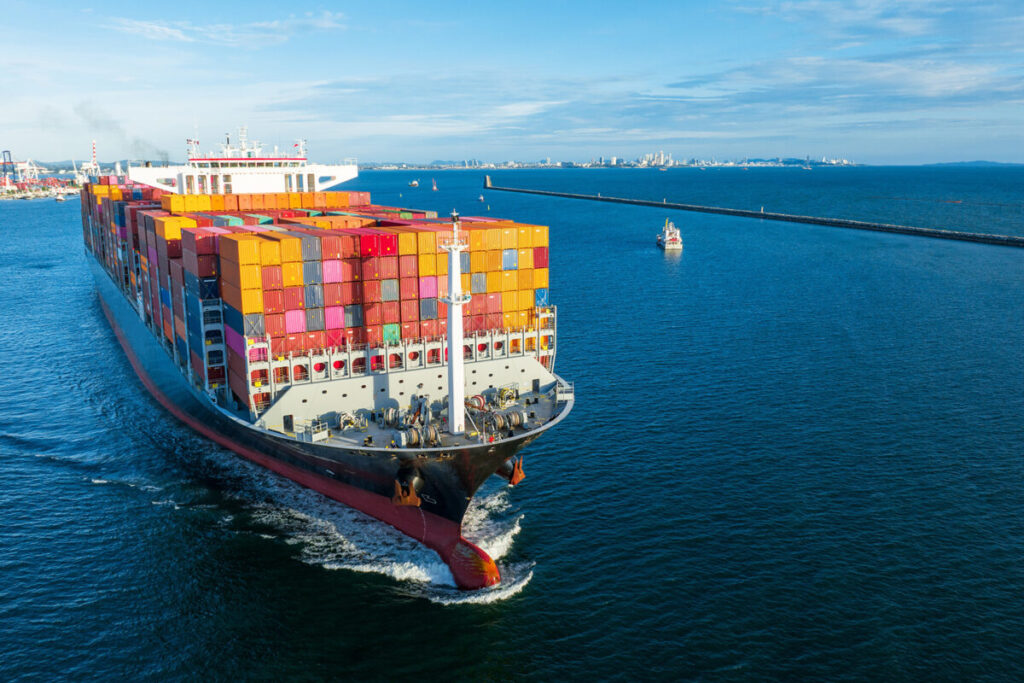
Container shipping remains the backbone of global trade between China and Australia. It offers flexibility, capacity, and efficiency for importers dealing with bulk or oversized cargo.
Key benefits include:
- Cost-efficiency: Lower freight cost per unit for large shipments.
- Security: Containers protect goods from weather and damage.
- Scalability: Suitable for both full and partial container loads.
- Global connectivity: Regular sailings from major Chinese ports to Australia.
Moreover, ocean freight is an environmentally friendly choice compared to air transport, aligning with sustainable supply chain goals.
2. What Are the Main Shipping Methods from China to Australia?
| Shipping Method | Transit Time (Days) | Cost Level | Ideal For | Advantages | Disadvantages |
|---|---|---|---|---|---|
| FCL (Full Container Load) | 18–25 | $$ | Large shipments | Exclusive use, faster transit | Higher cost if container not full |
| LCL (Less than Container Load) | 25–30 | $ | Small or medium cargo | Cost-sharing | Longer due to consolidation |
| Air Freight | 3–7 | $$$$ | Urgent or high-value goods | Fastest delivery | High cost |
| Express Courier | 3–6 | $$$$ | Samples or parcels | Door-to-door service | Expensive for heavy goods |
3. How Long Does It Take for Container Shipping from China to Australia?
Transit times vary based on origin, destination, and shipping line schedules.
| Route | Mode | Estimated Transit Time (Days) |
|---|---|---|
| Shanghai → Sydney | FCL | 18–22 |
| Shenzhen → Melbourne | FCL | 19–24 |
| Ningbo → Brisbane | FCL | 20–25 |
| Qingdao → Fremantle | FCL | 22–27 |
| Guangzhou → Adelaide | LCL | 25–30 |
Additionally, customs clearance and inland transportation can add 2–4 extra days depending on port congestion and documentation accuracy.
4. What Are the Shipping Costs from China to Australia?
Costs depend on route, container type, and seasonal market fluctuations.
| Container Type | Estimated Rate (USD) | Details |
|---|---|---|
| 20ft Container (FCL) | $1,800 – $2,400 | Best for 28–30m³ or 10–11 pallets |
| 40ft Container (FCL) | $2,800 – $3,600 | Suitable for 60–68m³ or 20–22 pallets |
| LCL (per CBM) | $90 – $130 | Charged by volume and weight |
| Air Freight (per kg) | $5 – $9 | For urgent or small goods |
| Express Courier (per kg) | $6 – $10 | Fastest, door-to-door service |
Additional cost factors:
- Port handling charges.
- Customs duties and taxes.
- Fuel surcharges and peak season rates.
- Insurance and warehousing fees.
Therefore, obtaining a detailed quotation ensures full cost transparency.
Are you ready to book?
Access live instant freight quotes
5. Which Ports Handle Container Shipping Between China and Australia?
Major Chinese Ports:
- Shanghai Port
- Shenzhen (Yantian/Shekou)
- Ningbo Port
- Guangzhou (Nansha)
- Qingdao Port
Main Australian Ports:
- Sydney (Port Botany)
- Melbourne Port
- Brisbane Port
- Fremantle Port
- Adelaide Port
These ports maintain weekly sailings, ensuring reliable schedules for both FCL and LCL shipments.
6. What Types of Containers Are Used for Shipping to Australia?
| Container Type | Dimensions (L×W×H) | Capacity | Best For |
|---|---|---|---|
| 20ft Standard | 5.9m × 2.35m × 2.39m | 28–30m³ | Heavy or dense cargo |
| 40ft Standard | 12.03m × 2.35m × 2.39m | 60–68m³ | Light, voluminous goods |
| 40ft High Cube | 12.03m × 2.35m × 2.69m | 72m³ | Tall cargo or large volume |
| 45ft High Cube | 13.56m × 2.35m × 2.69m | 86m³ | Extra-long items |
| Reefer Container | Various | Variable | Temperature-sensitive goods |
| Open Top / Flat Rack | Variable | N/A | Machinery, vehicles, oversized loads |
Choosing the right container type prevents damage, optimizes cost, and improves load efficiency.
7. What Are the Customs Requirements for Importing to Australia?
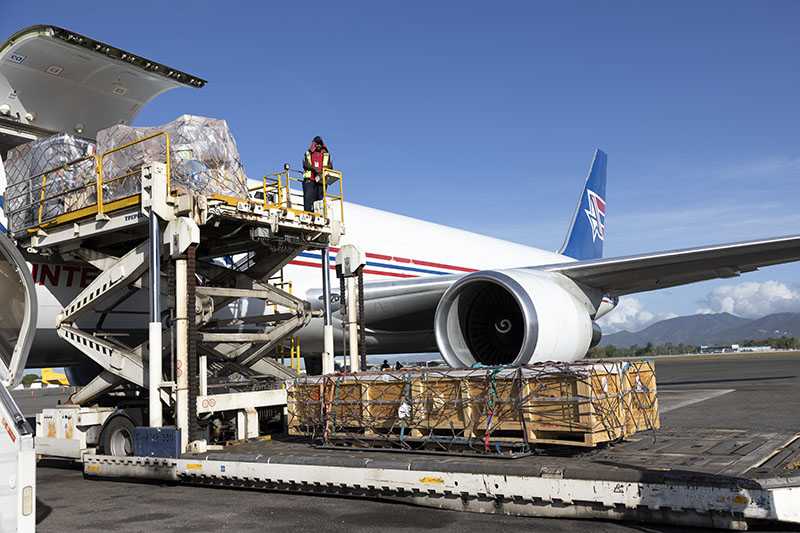
Australia enforces strict biosecurity and import regulations. Proper documentation ensures quick customs clearance.
| Document | Purpose |
|---|---|
| Commercial Invoice | Declares product value and details |
| Packing List | Lists shipment contents and weights |
| Bill of Lading | Proof of carriage |
| Certificate of Origin | Confirms manufacturing country |
| Import Declaration | Required for Australian customs (ABF) |
| Biosecurity Declaration | For agricultural or organic goods |
| Insurance Certificate | Verifies cargo protection |
Moreover, importers must register for an ABN (Australian Business Number) and use a valid Customs Broker for efficient clearance.
8. How Are Duties and Taxes Calculated in Australia?
| Charge Type | Rate / Rule | Details |
|---|---|---|
| Customs Duty | 0–10% | Based on HS Code classification |
| GST | 10% | Applied on CIF + duty value |
| Excise Tax | Varies | On alcohol, tobacco, and fuel |
| Biosecurity Fee | Variable | Quarantine and inspection charges |
Accurate HS codes and declared values help avoid penalties and ensure smooth import processing.
9. FCL vs. LCL: Which Shipping Option Is Better?
| Factor | FCL (Full Container) | LCL (Less Container Load) |
|---|---|---|
| Cost Efficiency | Better for large shipments | Ideal for small cargo |
| Transit Time | Faster | Longer (due to consolidation) |
| Cargo Safety | Higher | Slightly higher handling risk |
| Flexibility | Full control | Shared space |
| Documentation | Simplified | Additional paperwork |
Therefore, FCL shipping is recommended for heavy or high-value cargo, while LCL suits smaller shipments with budget constraints.
10. How to Estimate Shipping Time and Costs?
Freight forwarders typically calculate costs based on:
- Cargo volume (CBM) or gross weight (kg).
- Incoterms (FOB, CIF, DDP, etc.).
- Origin and destination port pair.
- Seasonal factors and container availability.
Formula Example:
CIF = Product Cost + Insurance + Freight
Therefore, understanding cost components helps importers negotiate better rates and plan delivery timelines accurately.
Conclusion
In conclusion, container shipping China to Australia remains the most practical and cost-efficient option for importers handling bulk or commercial cargo. With flexible FCL and LCL services, reliable transit schedules, and competitive pricing, sea freight offers exceptional value for global trade.
By working with a professional freight forwarder like ChinaTopFreight, you can simplify logistics, ensure regulatory compliance, and enjoy hassle-free international delivery tailored to your business needs.
FAQ
1. How long does container shipping from China to Australia take?
Yes, with proper packaging and containerization, fragile goods like electronics, glass, or ceramics can be safely shipped by sea without damage.
2. What are the main ports for shipping from China to Australia?
Major routes connect Shanghai, Ningbo, and Shenzhen to Sydney, Melbourne, and Brisbane with regular weekly sailings.
3. How much does a 40ft container cost to ship?
Rates average $2,800–$3,600 USD, but prices vary depending on season, container availability, and destination.
4. Can I ship door-to-door from China to Australia?
Yes. Many freight forwarders offer DDP (Delivered Duty Paid) services, covering customs, duties, and final delivery.
5. What items require quarantine inspection in Australia?
Products like food, wood, and plants must undergo biosecurity inspections by the Australian Border Force (ABF).