

Efficient container shipping China to Canada is vital for importers managing large cargo volumes across the Pacific. Whether shipping electronics, textiles, furniture, or machinery, understanding container types, transit times, and customs processes helps ensure timely, cost-effective deliveries. This comprehensive guide explains all aspects of container shipping between China and Canada — from cost structures to documentation and logistics best practices.

1. What Is Container Shipping and Why Is It Important for China–Canada Trade?
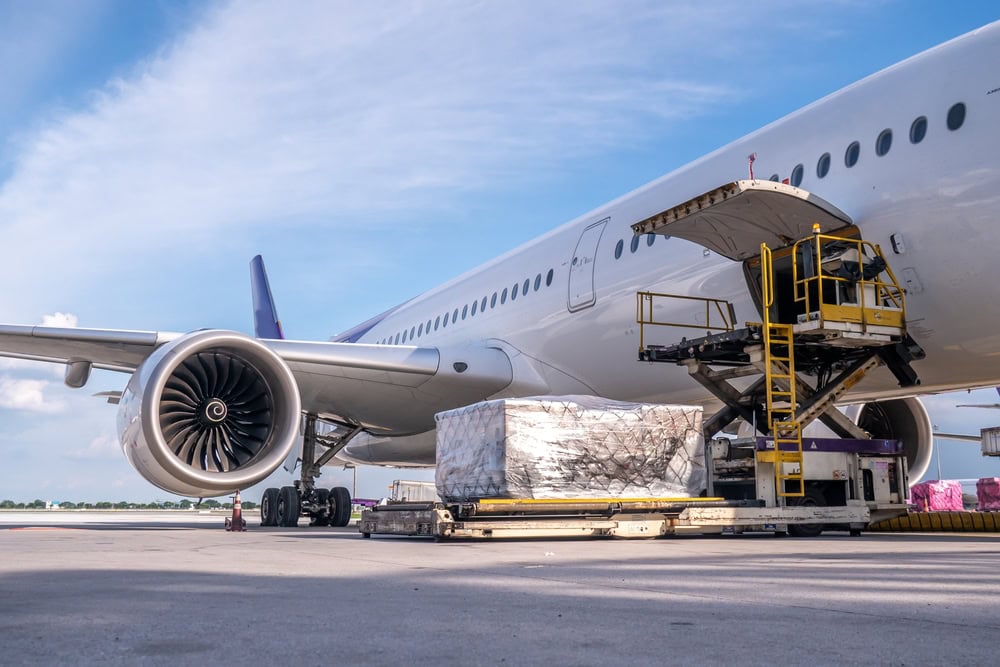
Container shipping is the backbone of international trade, enabling secure, scalable transport of goods between manufacturers and buyers.
As one of the world’s busiest trade lanes, the China–Canada route connects key ports like Shanghai, Shenzhen, and Ningbo with Vancouver, Toronto, and Montreal, supporting billions in annual trade.
Long-tail keywords: sea freight China to Canada, FCL shipping from China, LCL cargo Canada import, shipping containers China to Vancouver, ocean freight rates 2025.
2. What Are the Main Container Shipping Methods from China to Canada?
Shipping containers can be booked as FCL (Full Container Load) or LCL (Less-than-Container Load), depending on cargo volume.
| Shipping Type | Description | Ideal Cargo | Cost Range | Transit Time |
|---|---|---|---|---|
| FCL (20ft/40ft) | Full use of one container | Large volume goods | $2,000–$4,000 | 25–35 days |
| LCL | Shared container with others | Small & medium cargo | $80–$150/CBM | 30–40 days |
| Reefer Container | Temperature-controlled goods | Food, chemicals | +15–25% cost | 25–35 days |
| Open-Top/Flat Rack | Oversized cargo | Machinery, vehicles | Custom quote | 25–40 days |
Semantic keywords: ocean freight, container types, shipping methods, freight costs, import logistics, bulk cargo handling.
3. How Long Does Container Shipping from China to Canada Take?
Transit time depends on route, port congestion, and customs clearance.
| Route | Port of Loading | Destination Port | Average Transit Time |
|---|---|---|---|
| Shanghai → Vancouver | Shanghai Port | Vancouver Port | 22–28 days |
| Shenzhen → Toronto | Yantian Port | Toronto Inland Port | 28–35 days |
| Ningbo → Montreal | Ningbo Port | Montreal Port | 30–38 days |
| Qingdao → Halifax | Qingdao Port | Halifax Port | 26–33 days |
Pro Tip: Inland destinations like Calgary or Edmonton may add 5–7 days for rail delivery.
What are you waiting for?
Contact chinatopfreight for a fast, free quote.
Are you ready to book?
Access live instant freight quotes
4. How Much Does Container Shipping from China to Canada Cost?
Shipping rates fluctuate based on fuel prices, peak seasons, and container availability.
| Container Size | Estimated Cost (USD) | Cargo Weight | Notes |
|---|---|---|---|
| 20ft FCL | $2,000–$2,800 | Up to 28 tons | For small/medium cargo |
| 40ft FCL | $3,200–$4,500 | Up to 30 tons | Most common |
| 40ft HQ | $3,500–$4,800 | High-volume goods | Higher capacity |
| LCL (per CBM) | $80–$150 | N/A | Shared shipments |
Long-tail keywords: container rates China to Canada, ocean freight pricing, shipping cost per CBM, FCL vs LCL comparison, cargo cost calculator.
5. What Are the Key Ports for Container Shipping Between China and Canada?
Main Chinese Ports:
- Shanghai Port – World’s largest and most efficient.
- Shenzhen (Yantian) – Major electronics export hub.
- Ningbo-Zhoushan Port – Strong global container capacity.
- Guangzhou Port – Ideal for southern China exports.
Canadian Entry Ports:
| Port | Location | Advantages |
|---|---|---|
| Vancouver | British Columbia | Closest to Asia, fastest customs |
| Prince Rupert | BC | Low congestion, rapid clearance |
| Montreal | Quebec | Serves eastern Canada & Europe |
| Halifax | Nova Scotia | Ideal for transatlantic trade |
6. What Customs Documents Are Required for Shipping Containers to Canada?
Accurate paperwork ensures smooth customs clearance and prevents delays.
| Document | Purpose | Issued By |
|---|---|---|
| Commercial Invoice | Declares cargo value | Exporter |
| Packing List | Itemized details | Supplier |
| Bill of Lading | Contract of carriage | Carrier |
| Certificate of Origin | Confirms Chinese origin | Chamber of Commerce |
| Import Declaration (B3) | Canadian customs entry | Importer |
| HS Code Classification | Determines duty/tax | Broker |
| Insurance Certificate | Covers cargo risks | Freight forwarder |
Semantic keywords: customs clearance, import taxes, HS code, documentation checklist, trade compliance.
7. How Are Duties and Taxes Calculated on Imports from China?

Canadian customs duties depend on HS codes and product classification.
| Product Type | Duty Rate | GST (%) | Notes |
|---|---|---|---|
| Electronics | 0–5% | 5% | Tariff varies |
| Apparel/Textiles | 16–18% | 5% | Based on material |
| Machinery | 6–8% | 5% | May require permit |
| Furniture | 8–10% | 5% | Wooden goods require CFIA check |
Example:
If CIF value = $10,000 and duty = 8%, GST = 5%, total payable = $1,300 (i.e., $800 + $500).
Long-tail keywords: import tax China to Canada, customs duty rates, GST calculation, tariff classification Canada.
8. What Are the Main Shipping Routes from China to Canada?
| Route Type | Description | Average Transit | Example Path |
|---|---|---|---|
| Direct Route | From China to Vancouver | 22–28 days | Shanghai → Vancouver |
| Transshipment | Via South Korea/Japan | 30–40 days | Ningbo → Busan → Vancouver |
| Rail + Sea Combo | Sea to Vancouver + Rail inland | 25–35 days | Shenzhen → Vancouver → Toronto |
9. FCL vs LCL: Which Is Better for You?
| Feature | FCL (Full Container Load) | LCL (Less than Container Load) |
|---|---|---|
| Cost Efficiency | Better for bulk cargo | Good for small loads |
| Transit Time | Faster | Slower (consolidation needed) |
| Handling | Fewer touchpoints | Multiple handlers |
| Risk | Lower | Slightly higher |
| Customs | Easier process | Shared documentation |
Conclusion: FCL is ideal for large, time-sensitive shipments, while LCL suits small businesses importing limited quantities.
Long-tail keywords: full container shipping China, shared container freight, freight consolidation Canada, cargo handling efficiency.
10. How to Reduce Container Shipping Costs from China to Canada?
- Book early: Reserve space 3–4 weeks in advance.
- Ship off-peak: Avoid January–February (Chinese New Year) and October (Golden Week).
- Consolidate cargo: Use LCL to save per-unit cost.
- Use efficient ports: Prince Rupert offers faster customs release.
- Negotiate Incoterms: FOB or DDP affects total landed cost.
Semantic keywords: cost optimization, freight forwarding strategy, container consolidation, trade logistics management.
Conclusion
In conclusion, container shipping China to Canada is a reliable, scalable, and cost-effective solution for global importers. By selecting the right shipping method, managing documentation accurately, and working with a trusted freight forwarder, you can minimize risks and achieve smooth, on-time deliveries. Whether shipping full containers or consolidated cargo, optimizing logistics through professional partners like ChinaTopFreight ensures efficiency across every step of the supply chain.
FAQ
1. How long does container shipping from China to Canada take?
Transit typically ranges from 25 to 40 days, depending on port congestion, weather, and shipping routes.
2. What is the best port to receive containers in Canada?
Vancouver and Prince Rupert are fastest due to efficient customs and proximity to Asian routes.
3. Can I track my container shipment in real time?
Yes. Most freight forwarders provide online tracking systems using container numbers or Bill of Lading references.
4. What is the difference between 20ft and 40ft containers?
A 40ft container holds double the volume of a 20ft, making it more economical for large shipments.
5. How are container shipping costs calculated?
Costs depend on container size, shipping mode, distance, and additional services like insurance and customs clearance.