

- By kelly
- August 19, 2025
- Tips or Guide, Transport
Introduction
Europe is one of the largest destinations for Chinese exports, with millions of containers shipped every year. For importers, container shipping provides the most efficient and affordable way to transport bulk goods. This guide covers costs, transit times, customs requirements, and shipping methods available for China-to-Europe trade.
Why Importers Use Container Shipping China to Europe
First, sea freight is much cheaper than air freight for bulk goods, making it the preferred choice for European importers.
Second, container shipping allows businesses to scale operations, using 20ft containers for smaller loads and 40ft containers for larger shipments.
Finally, Europe is well connected with China through sea routes (via Rotterdam, Hamburg, Antwerp) and rail routes (via Poland, Germany, and beyond).
Average Container Shipping Costs China to Europe
| Container Size | Average Cost (USD) | Transit Time | Notes |
|---|---|---|---|
| 20ft Container | $2,000 – $3,600 | 22–30 days | Suited for 25–28 CBM cargo |
| 40ft Container | $3,800 – $5,800 | 22–30 days | Suited for 55–60 CBM cargo |
Transit Times for Container Shipping from China to Europe
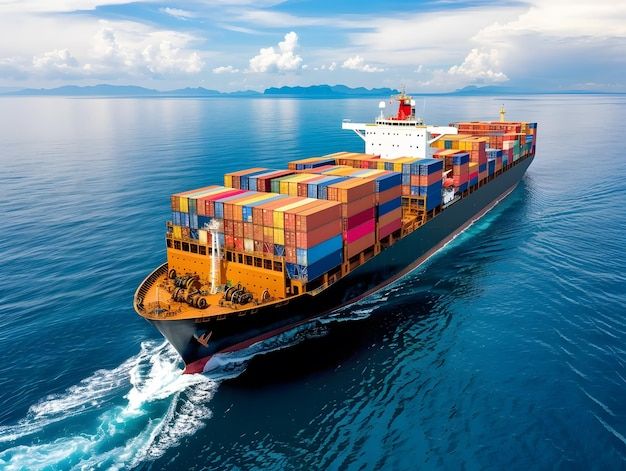
- Sea Freight (FCL/LCL): 22–30 days depending on ports.
- Rail Freight (China–Europe Rail): 18–22 days, faster but more expensive than sea.
- Air Freight (for comparison): 5–10 days, but costs significantly more.
FCL vs. LCL – Choosing the Right Option
- FCL (Full Container Load): Recommended for large shipments, more cost-effective per CBM, faster handling.
- LCL (Less than Container Load): Ideal for smaller shipments, cheaper upfront but may involve longer customs processing.
Sea Freight vs. Rail Freight from China to Europe
- Sea Freight: Most affordable for bulk goods, but longer transit times.
- Rail Freight: Quicker than sea, reliable routes through Central Asia and Eastern Europe, often used for high-value or time-sensitive cargo.
Customs Duties & Import Regulations in Europe
When importing into Europe, you will need:
- Commercial invoice & packing list
- Bill of lading (B/L) or airway bill (AWB)
- HS code classification for duties
- Import duties: Typically 0–12%, depending on product type
- VAT: Ranges from 17%–25%, depending on the country (UK 20%, Germany 19%, Netherlands 21%)
Door-to-Door Container Shipping Services
Freight forwarders often provide complete door-to-door solutions. First, they arrange pickup in China. Next, they handle ocean or rail transport. Then, they take care of customs clearance in Europe. Finally, they arrange final delivery to your warehouse—saving both time and unexpected costs.
📦Get a Free Quote
Since rates vary by season, volume, and destination, the most reliable way to budget is to request a tailored freight quote.
❓ Frequently Asked Questions
Q1: How much does it cost to ship a container from China to Europe?
A 20ft container costs $2,000–$3,600, while a 40ft container costs $3,800–$5,800 depending on the route.
Q2: How long does container shipping take from China to Europe?
Sea freight takes 22–30 days, while rail freight reduces transit to about 18–22 days.
Q3: Is rail freight a good alternative to sea freight?
Yes. Rail freight is faster and more reliable than sea, but usually more expensive. It’s ideal for time-sensitive shipments.
Q4: Do container shipping rates include customs duties in Europe?
No. Duties and VAT are calculated separately based on HS codes and product value.
Q5: Which is better: FCL or LCL shipping from China to Europe?
FCL is better for large loads, while LCL is cost-effective for smaller shipments under 15 CBM.
Q6: What documents are required for container shipping to Europe?
You need a commercial invoice, packing list, bill of lading, and HS codes for customs clearance.
Q7: Can I get door-to-door container shipping from China to Europe?
Yes. Many forwarders provide pickup, freight transport, customs clearance, and delivery to your warehouse.