

Shipping cargo across Asia is increasingly competitive, and many importers now prioritize stable schedules, low shipping costs, and predictable customs processes. When planning container shipping China to Singapore, businesses often face challenges such as fluctuating freight rates, peak-season delays, and documentation compliance. However, with the right strategy, you can achieve smooth and efficient freight movement every time.
1. What Is the Best Transport Mode for Container Shipping China to Singapore?

Choosing the right shipping mode impacts pricing, transit time, and overall supply chain performance. Moreover, because the China–Singapore lane is extremely active, importers benefit from multiple reliable sea freight options.
| Shipping Method | Average Cost | Transit Time | Best For | Pros | Cons |
|---|---|---|---|---|---|
| Sea Freight FCL (20GP/40GP) | $900–$2,300 | 5–10 days | Large shipments | Low cost/unit, secure | Requires higher volume |
| Sea Freight LCL | $45–$90/CBM | 6–12 days | Small–medium cargo | Flexible, affordable | Longer handling time |
| Air Freight | $4–$8/kg | 2–5 days | Urgent goods | Fast transit | Higher cost |
| Express (DHL/UPS/FedEx) | $6–$12/kg | 1–3 days | Samples, small cargo | Fastest delivery | Most expensive |
Because China and Singapore are close trading partners, sea freight is often the most cost-effective option.
2. Why Is Container Shipping China to Singapore Popular for Asian Trade?
Singapore serves as a major logistics hub for Southeast Asia. Therefore, businesses benefit from competitive freight rates, advanced warehousing options, and streamlined customs processes.
Key Benefits
- Strategic location and world-class port
- Heavy shipping lane with daily sailings
- Predictable transit schedules
- Competitive container pricing
- Strong customs systems enabling fast clearance
Additionally, Singapore’s free-trade orientation makes it one of Asia’s most efficient destinations for importers.
3. What Documents Are Required for Container Shipping China to Singapore?
Accurate documentation is essential for smooth import procedures. Missing paperwork may result in delays, fines, or clearance issues.
| Document | Purpose | Required For |
|---|---|---|
| Commercial Invoice | Declares cargo value and HS code | All shipments |
| Packing List | Details of cartons and weight | All shipments |
| Bill of Lading | Proof of sea transport | FCL/LCL |
| Certificate of Origin | Verifies product origin | Preferential tariffs |
| Import Permit (if required) | For restricted goods | Special categories |
| HS Code Declaration | Tariff classification | All shipments |
Moreover, special cargo such as chemicals, batteries, food, or medical supplies may require additional documentation.
What are you waiting for?
Contact chinatopfreight for a fast, free quote.
Are you ready to book?
Access live instant freight quotes
4. How Much Does Container Shipping China to Singapore Cost?
Freight costs depend on container size, origin port, seasonality, and commodity type. However, China–Singapore is one of Asia’s most affordable lanes due to short distance and frequent sailings.
Typical Container Price Range
| Container Type | Estimated Price | Notes |
|---|---|---|
| 20GP | $900–$1,500 | Best for small exporters |
| 40GP | $1,500–$2,300 | Most common size |
| 40HQ | $1,600–$2,400 | Best for high-volume cargo |
LCL Freight Rate Range
| Volume | Rate (CBM) | Notes |
|---|---|---|
| 1–5 CBM | $45–$60 | Good for SMEs |
| 6–15 CBM | $55–$75 | Lower average cost |
| 16–28 CBM | $70–$90 | Consider upgrading to FCL |
5. What Is the Transit Time for Container Shipping China to Singapore?
Transit time varies based on origin port and carrier schedule. Because sailings are frequent, delays are generally minimal.
| Origin Port | FCL Transit Time | LCL Transit Time |
|---|---|---|
| Shanghai | 5–8 days | 7–10 days |
| Ningbo | 5–8 days | 7–11 days |
| Shenzhen / Yantian | 4–7 days | 6–10 days |
| Guangzhou / Nansha | 4–7 days | 6–10 days |
| Xiamen | 5–8 days | 7–11 days |
| Qingdao | 7–10 days | 8–12 days |
6. What Container Types Are Available for Shipping from China to Singapore?
Because toy shipments, electronics, furniture, food, and industrial materials all vary in size, choosing the right container type reduces damage and optimizes loading efficiency.
Common Container Options
- 20GP – Best for heavy or small-volume cargo
- 40GP – Standard choice for general goods
- 40HQ – Extra height for bulkier items
- Reefer containers – For perishable food and pharmaceuticals
- Open-top containers – For oversized cargo
- Flat-rack containers – For heavy machinery
Additionally, shippers may use SOC (shipper-owned containers) for special logistics projects.
7. How Do You Package Cargo for Container Shipping China to Singapore?
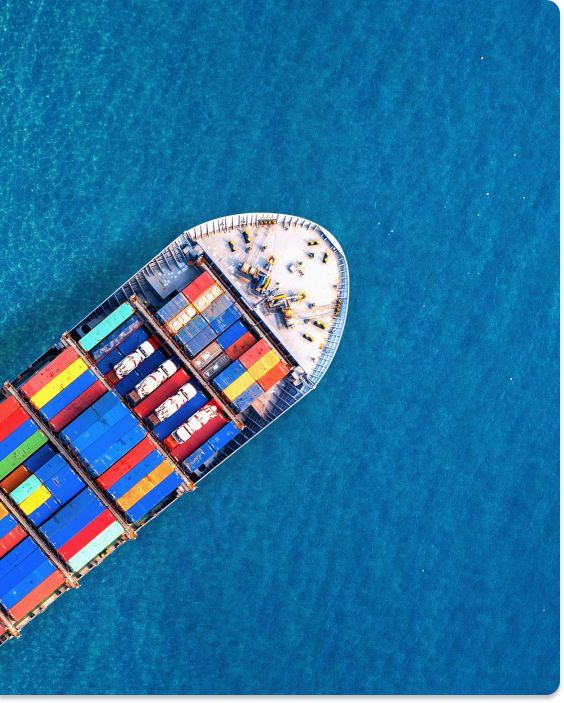
Proper packaging protects cargo during handling, stacking, and ocean transit. Moreover, Singapore customs prefers clear labeling for fast clearance.
Packaging Best Practices
- Use sturdy export-grade cartons
- Wrap fragile items with foam or bubble protection
- Place heavy goods at the bottom of pallets
- Use moisture-proof lining for sea shipments
- Secure pallets with strapping and shrink wrap
- Label cartons with HS codes, weight, and destination
Additionally, ensure pallets are fumigated or compliant with ISPM-15 if required.
8. What Are the Pros and Cons of Sea vs Air for China–Singapore Shipping?
Although sea freight is most popular, comparing both modes helps businesses choose the right approach.
| Mode | Pros | Cons |
|---|---|---|
| Sea Freight | Lowest cost, good for large shipments, stable schedules | Longer transit, variable handling time |
| Air Freight | Fast, secure, predictable | Higher cost, weight restrictions |
| Express | Fastest, door-to-door | Very expensive for heavy cargo |
9. Should You Use FCL or LCL for Container Shipping China to Singapore?
Choosing between FCL and LCL depends on cargo volume and urgency.
FCL Is Best If:
- Cargo is above 15–18 CBM
- You need minimal handling
- Goods are high-value or fragile
LCL Is Best If:
- Cargo volume is small
- You want lower upfront cost
- You don’t need urgent delivery
Moreover, LCL offers flexibility for small businesses entering the Singapore market.
10. What Are the Key Costs Beyond Basic Freight Charges?
Importers should plan for additional expenses to avoid unexpected charges.
Common Additional Costs
- Origin trucking from factory to port
- Customs clearance fees
- Destination port charges
- Delivery to final warehouse
- Documentation fees
- Cargo insurance
- Seasonal surcharges
Because Singapore’s port is efficient, destination fees are usually lower than many other countries.
Conclusion
Managing container shipping China to Singapore requires understanding freight rates, transit times, documentation, and customs procedures. However, by choosing the right container type, planning early, and ensuring accurate paperwork, you can ship efficiently and maintain a stable supply chain. Whether you ship small LCL cargo or full containers, partnering with an experienced logistics provider ensures smooth, reliable, and cost-effective delivery from China to Singapore.
FAQ
1. Do I need a customs broker when importing containers into Singapore?
While not mandatory, using a customs broker improves accuracy, speeds up clearance, and ensures all compliance steps are correctly completed for container shipments.
2. How early should I book a container from China to Singapore?
Booking 7–10 days in advance is ideal. This ensures container availability and prevents delays during peak seasons or major shipping holidays.
3. Can I ship mixed cargo in one container?
Yes. Many importers load mixed SKUs in the same container. However, proper labeling and palletizing help customs officers inspect cargo quickly.
4. Are there restricted items when shipping to Singapore?
Yes. Restricted items include chemicals, medical goods, alcohol, and controlled machinery. Importers must apply for relevant permits before shipping.
5. How do I choose between 20GP and 40GP containers?
Choose a 20GP if cargo is heavy and compact. Select a 40GP for lighter but bulkier goods. Comparing CBM and weight limits helps determine the best option.