

Efficient cosmetics shipping China to Europe is essential for beauty brands expanding internationally, especially as the EU enforces strict product safety, labeling, and customs requirements. Moreover, shipping cosmetics—whether skincare, makeup, creams, perfumes, or serums—requires careful planning because many items fall under restricted or sensitive categories. This guide explains packaging rules, transport options, customs regulations, and compliance steps to help importers ship cosmetics to Europe smoothly and cost-effectively.
What Makes Cosmetics Shipping China to Europe More Complex Than Other Products?
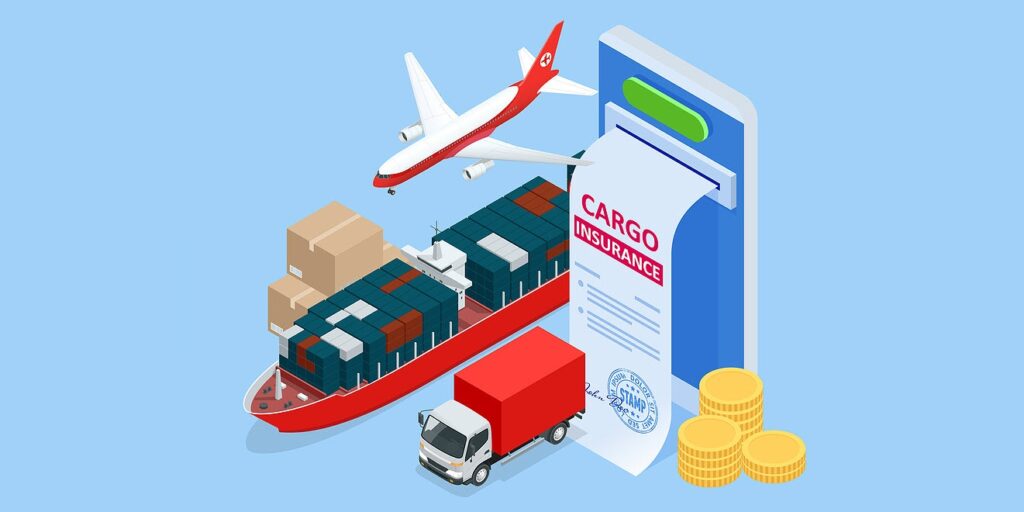
Cosmetics are regulated consumer-use items, so European authorities require documentation and compliance verification before products can enter the market.
Key challenges for cosmetics imports
- EU Cosmetics Regulation (EC) No 1223/2009 compliance
- Ingredient, labeling, and formula restrictions
- Safety assessments and product testing
- Dangerous goods considerations (perfumes, aerosols)
- Temperature-sensitive storage considerations
Because cosmetics are high-value and delicate, special care is required during transport.
Which Cosmetics Can Be Shipped From China to Europe?
Most cosmetic items can be shipped, but some require specific handling procedures.
Commonly shipped categories
- Skincare (creams, serums, lotions)
- Haircare (shampoo, conditioners, oils)
- Beauty tools
- Makeup products (foundation, lipsticks, palettes)
- Perfumes and fragrances (hazardous goods)
- Nail polish (flammable liquid category)
Restricted or controlled items
- Aerosol sprays
- High alcohol-content perfumes
- Whitening products with banned ingredients
Importers should verify ingredients and SDS (Safety Data Sheets) to ensure compliance.
What Shipping Methods Are Best for Cosmetics Shipping China to Europe?
Different shipping modes offer different levels of cost, speed, and temperature stability.
Shipping Method Comparison: Cost, Transit Time & Pros/Cons
| Method | Transit Time | Cost Level | Best For | Pros | Cons |
|---|---|---|---|---|---|
| Air Freight | 5–9 days | Medium–High | High-value cosmetics | Fast, secure | Limits for liquids or flammables |
| Express (DHL/UPS/FEDEX) | 3–6 days | High | Small parcels | Reliable & simple | Costly for bulk |
| Sea Freight (FCL) | 28–38 days | Low | Large shipments | Economical | Long transit |
| Sea Freight (LCL) | 32–45 days | Low | SMEs | Flexible | Consolidation delays |
| Rail Freight | 18–25 days | Medium | Non-hazardous items | Balanced cost & speed | Limited by liquid restrictions |
What are you waiting for?
Contact chinatopfreight for a fast, free quote.
Are you ready to book?
Access live instant freight quotes
How Much Does It Cost to Ship Cosmetics From China to Europe?
Prices depend on weight, shipping mode, material sensitivity, and packaging requirements.
Container & Cargo Pricing for Cosmetics Shipping
| Shipment Type | Estimated Cost | Notes |
|---|---|---|
| Air Freight (100–300 kg) | $4.5–$7.5/kg | Fast & secure |
| Air Freight (300+ kg) | $3.5–$6/kg | Lower rate for bulk |
| Express 10–20 kg | $8–$12/kg | Ideal for small sellers |
| LCL Sea Freight 1 cbm | $90–$150 | Best for startups |
| 20GP FCL | $1000–$1600 | Bulk cosmetics |
| 40HQ FCL | $1800–$2700 | Major distributors |
Costs fluctuate due to seasonal demand and oil price changes.
What Documents Are Required for Cosmetics Shipping China to Europe?
Cosmetics imports require extensive documentation for customs and safety compliance.
Customs Documentation Checklist
| Document | Required | Purpose |
|---|---|---|
| Commercial Invoice | Yes | Declares product value |
| Packing List | Yes | Carton details |
| Bill of Lading / AWB | Yes | Proof of transport |
| HS Codes | Yes | Determines duties |
| Safety Data Sheet (SDS) | Yes | Required for chemicals/liquids |
| Product Ingredient List | Yes | EU compliance check |
| Certificate of Origin | Often | Verifies manufacturing country |
| EU Cosmetic Product Safety Report (CPSR) | For EU sale | Regulatory requirement |
| CPNP Registration | For sale | Mandatory EU listing |
Without proper documents, customs may delay or reject the shipment.
How Do HS Codes Affect Cosmetics Shipping China to Europe?
The HS code determines duties, VAT, and compliance requirements.
Common cosmetic HS codes
- 3304: Makeup preparations
- 3305: Haircare products
- 3307: Perfumes and toilet waters
- 3306: Oral care (toothpaste)
Correct classification ensures accurate tax calculation.
What Are EU Cosmetic Regulations Importers Must Follow?
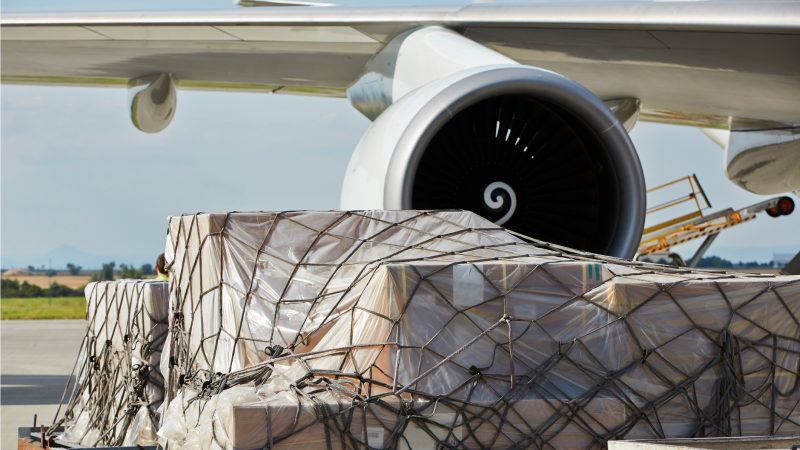
The EU is one of the strictest beauty markets worldwide.
Must-follow regulations
- EU Cosmetic Regulation (EC) No 1223/2009
- Safety assessment and CPSR
- Product Information File (PIF) storage
- Labeling in the official EU language
- CPNP (Cosmetic Product Notification Portal) registration
Compliance ensures product safety and consumer protection.
How Are Duties and VAT Calculated for Cosmetics in Europe?
While duties vary by HS code, the VAT rate depends on the country of entry.
Typical duty rates
- 0–6.5% depending on product type
VAT examples
- Germany: 19%
- France: 20%
- Italy: 22%
- Spain: 21%
- Netherlands: 21%
VAT applies to CIF value + duties.
How to Pack Cosmetics Safely for International Shipping?
Because cosmetics are delicate, proper packaging prevents damage and leakage.
Packaging Requirements
- Double-layer protection for liquids
- Leak-proof seals
- Temperature-resistant materials
- Bubble wrap for glass items
- Strong export cartons
- Individual shrink-wrap for small items
For hazardous cosmetics
- Follow UN packaging standards
- Ship under IATA dangerous goods rules
- Include SDS documentation
Proper packaging protects product quality during transport.
What Labeling Standards Apply to Cosmetics Shipping China to Europe?
EU labeling must be clear, complete, and consumer-friendly.
Required label elements
- Product name
- Ingredient list (INCI format)
- Batch number
- Net content
- Country of origin
- Shelf life (PAO symbol)
- Warnings or usage instructions
- Responsible Person (EU address)
Incorrect labeling often leads to customs inspection.
Conclusion
Shipping beauty products from China to Europe requires careful planning because cosmetics shipping China to Europe involves strict compliance, detailed documentation, and secure packaging. Additionally, understanding EU regulations, selecting the correct shipping method, and preparing accurate SDS and ingredient lists significantly reduce customs delays. With the right logistics partner, sellers can ensure smooth delivery, regulatory compliance, and safe product quality throughout the supply chain. Ultimately, efficient planning and adherence to EU standards enable beauty brands to expand confidently into the European market.
FAQ
1. Do cosmetics require special documentation when importing to Europe?
Yes. Cosmetics need SDS, ingredient lists, labeling in EU language, and often CPSR and CPNP registration to meet European Union regulatory standards.
2. Can perfumes and fragrances be shipped from China to Europe?
Perfumes can be shipped, but they’re classified as dangerous goods. Therefore, they require IATA-approved packaging, SDS documentation, and special cargo handling.
3. What shipping method is best for high-value skincare products?
Air freight is ideal because it offers faster transit, safer handling, and reduced risks of temperature damage, leak issues, or long-term exposure during transport.
4. How long does customs clearance take for cosmetics imports in Europe?
Clearance usually takes 1–3 days. However, additional checks may extend the process if documents are incomplete or if safety assessments require verification.
5. Are there banned cosmetic ingredients in Europe?
Yes. The EU prohibits thousands of chemicals in cosmetics. Importers must review ingredient lists carefully and ensure products do not contain restricted substances.