Cost of Freight from China: Your Ultimate Guide to Shipping Expenses
Navigating the complexities of international shipping can be a daunting task, especially when trying to understand the actual cost of freight from China. Importers often face a maze of charges, surcharges, and variables that significantly impact their bottom line. This comprehensive guide aims to demystify these expenses, offering clarity and actionable insights to help you budget effectively and avoid unexpected costs.
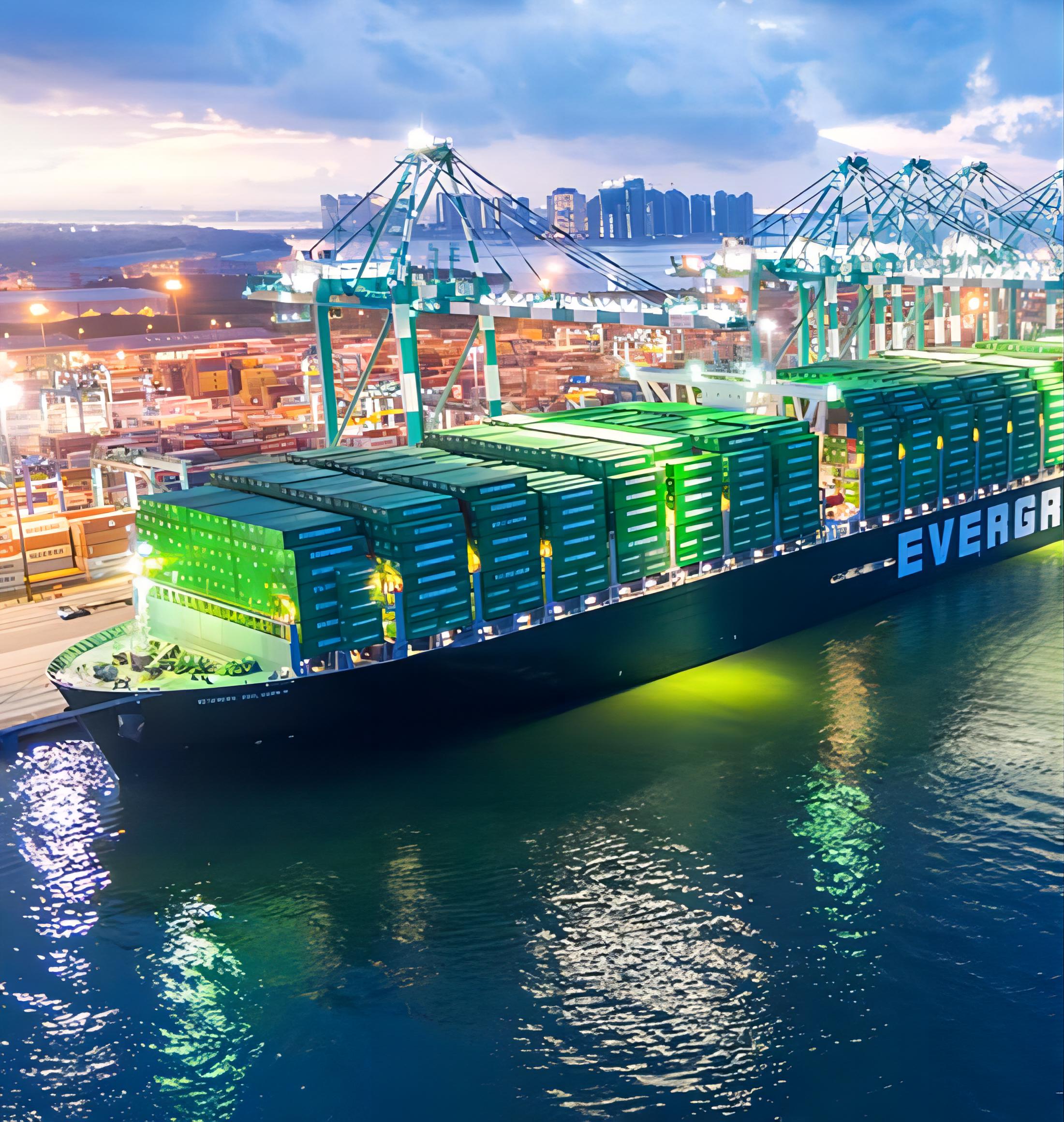
Demystifying the Cost of Freight from China
Shipping goods from China involves various expenses beyond just the base transportation fee. Businesses must understand these elements for accurate budgeting and efficient supply chain management. This comprehensive guide details the factors contributing to the overall cost of freight from China.
Many importers initially focus solely on ocean or air freight rates, overlooking crucial additional charges. However, a holistic view of the entire shipping process, from origin to final delivery, is essential. Understanding these components helps in making informed decisions and avoiding unexpected financial burdens.
What Factors Influence the Overall Cost of Freight from China?
Several critical factors directly impact the final cost of shipping goods internationally. These variables range from the characteristics of your cargo to the prevailing market conditions and chosen logistics partners. Understanding each element allows for better cost prediction and optimization.
Crucially, cargo volume, weight, and dimensions are primary determinants of freight charges. Larger or heavier shipments naturally incur higher costs due to space and handling requirements. Moreover, the type of goods, such as hazardous materials, can also lead to specialized handling fees.
The selected shipping method—sea, air, or rail—profoundly affects both transit time and expense. Furthermore, the specific origin and destination ports, along with the routing, can introduce significant variations in pricing. Direct routes are often faster but can sometimes be more expensive than transshipment options.
Market dynamics, including fuel surcharges, peak season surcharges, and general rate increases (GRIs), also play a significant role. These fluctuating charges can add substantial amounts to the base freight rate, especially during high-demand periods. Consequently, planning ahead is vital. Finally, ancillary services such as customs duties, taxes, insurance, and local trucking charges contribute to the total landed cost. Proper documentation and efficient customs brokerage are essential to prevent costly delays and penalties. These elements collectively shape the final freight rates.
Exploring Shipping Methods: Understanding the Cost of Freight from China
Choosing the right shipping method is paramount when importing from China, as each option offers a different balance of speed, cost, and capacity. Your decision will largely depend on your budget, urgency, and the nature of your goods. Evaluating these methods carefully helps businesses align their logistics strategy with their overall business objectives.
| Shipping Method | Cost Range (per kg/CBM) | Transit Time | Best For |
|---|---|---|---|
| Sea Freight (LCL) | $50-$80/CBM | 20-40 days | Large, non-urgent goods |
| Sea Freight (FCL) | $1,500-$6,000/container | 14-38 days | Very large volumes |
| Rail Freight | $1.5-$3.5/kg | 15-20 days | Europe, moderate urgency |
| Air Freight | $4-$8/kg | 3-7 days | Urgent, high-value goods |
| Express Shipping | $8-$15/kg | 1-5 days | Small, very urgent parcels |
Sea Freight: The Most Economical Choice
Sea freight remains the most cost-effective solution for large volume or heavy shipments from China. It is ideal for non-urgent goods, offering significant savings compared to air transport. This method involves shipping goods in containers aboard cargo vessels. Options include Full Container Load (FCL) for exclusive container use or Less than Container Load (LCL) for smaller shipments sharing container space. While transit times are longer, typically 20-40 days, the per-unit cost is substantially lower. As of Q1 2025, FCL rates for a 40HQ to Europe range from $3,000-$4,200, while LCL can be $50-$80 per CBM.
Air Freight: Speed and Higher Costs
For time-sensitive or high-value goods, air freight offers unparalleled speed, with transit times often ranging from 3-7 days. This method is crucial for perishable items, urgent samples, or products with short market windows. However, the premium for speed comes with a significantly higher price tag. Air freight costs are typically calculated by chargeable weight, which is the greater of actual weight or volumetric weight. Rates can vary widely but often fall between $4-$8 per kilogram, depending on the destination and carrier. Consequently, it is best reserved for situations where speed outweighs cost considerations.
Rail Freight: A Balanced Alternative for Europe
Rail freight has emerged as a popular middle-ground option for shipping from China to Europe. It offers a balance between the speed of air freight and the cost-effectiveness of sea freight, with transit times typically around 15-20 days. This makes it an attractive solution for many businesses. The New Silk Road rail links provide consistent schedules and often avoid port congestion issues. Costs are generally lower than air freight but higher than sea freight, making it suitable for a wide range of goods requiring moderate speed. It is important to note that rail freight is not available for routes like China to Australia or North America.
Express Shipping: Urgent Deliveries
For small parcels or extremely urgent documents, express service providers like DHL, FedEx, and UPS are the fastest option. These services offer door-to-door delivery, often within 1-5 days, with integrated tracking and customs clearance. While express shipping carries the highest per-kilogram cost, its speed and convenience can be invaluable for samples, prototypes, or emergency stock. The cost depends on package weight, dimensions, and destination, often including all-inclusive pricing.
Door-to-Door Services: Ultimate Convenience
Many importers prefer door-to-door delivery services for maximum convenience and simplified logistics. This option covers the entire shipping process, from pickup at the supplier’s factory in China to delivery at your specified address. It integrates all stages, including local transport, customs, and final mile delivery. While potentially appearing more expensive upfront, door-to-door services often offer a clearer total landed cost, minimizing unexpected fees. This comprehensive approach simplifies budgeting and reduces the administrative burden on the importer.
How Do Different Shipping Methods Compare for the Cost of Freight from China?
Selecting the optimal shipping method involves a careful comparison of costs, transit times, and specific cargo requirements. Each option presents unique advantages and limitations that must be weighed against your business priorities. Understanding these trade-offs is crucial for making an informed decision. For instance, while sea freight offers the lowest per-unit cost, its extended transit time might not suit fast-moving consumer goods. Conversely, air freight provides rapid delivery but at a premium price, making it less viable for bulk commodities.
This detailed comparison helps importers evaluate viable alternatives for various shipping scenarios. It highlights when each approach is most suitable, considering both cost-saving strategies and potential trade-offs. Hybrid solutions, such as sea-air combinations, can also be explored for specific logistical needs.
| Shipping Method | Cost Range | Transit Time | Best For | Limitations |
|---|---|---|---|---|
| Sea Freight (FCL) | $1,500-$6,000 per container | 14-38 days | Large volume, non-urgent | Port-to-port only, slower, port congestion risk |
| Sea Freight (LCL) | $50-$80 per CBM | 20-40 days | Smaller volumes, cost-sensitive | Consolidation delays, higher risk of damage, more handling |
| Air Cargo | $4-$8 per kg | 3-7 days | Urgent, high-value, light goods | High cost, volume/weight restrictions, fuel surcharges |
| Rail Freight (to Europe) | $1.5-$3.5 per kg | 15-20 days | Europe, moderate urgency | Limited destinations, specific origin/destination terminals |
| Express Courier | $8-$15 per kg | 1-5 days | Very urgent, small parcels | Highest cost, strict weight/size limits, not for bulk |
How to Effectively Reduce the Cost of Freight from China?
Optimizing your freight costs requires proactive planning and strategic decision-making throughout the supply chain. Several key strategies can help businesses reduce their overall shipping expenses from China. Implementing these tactics can lead to significant savings.
One effective approach is to consolidate multiple smaller shipments into a larger, more cost-efficient one. This can involve combining orders from various suppliers or holding inventory until a full container load (FCL) or a substantial Less than Container Load (LCL) is ready. Furthermore, understanding Incoterms is vital for controlling costs.
Leveraging Amazon FBA Services for Streamlined Logistics
For e-commerce businesses selling on Amazon, utilizing specialized Amazon FBA services from China can significantly streamline logistics and reduce costs. These services often include quality checks, labeling, and direct shipping to Amazon fulfillment centers. This integrated approach minimizes handling and storage fees. By properly preparing goods for FBA before they leave China, you can avoid costly delays and penalties at Amazon warehouses, ensuring a smoother process from factory floor to customer delivery.
The Role of Customs Brokerage and Incoterms
Engaging a professional customs brokerage service is crucial for navigating complex import regulations. Experienced brokers prevent costly errors, ensure compliance, and expedite clearance, thereby avoiding demurrage or detention charges. Their expertise can save both time and money. Additionally, carefully selecting the appropriate Incoterms (International Commercial Terms) can dramatically impact who bears the cost and risk of transportation. For instance, choosing FOB (Free On Board) allows the buyer more control over the main freight cost, potentially leading to better rates.
Smart Packaging and Insurance Considerations
Efficient packaging can reduce both volumetric weight for air freight and container space for sea freight, directly lowering shipping costs. Minimizing empty space and using lightweight yet durable materials are key strategies. Furthermore, proper packaging protects goods from damage. While insurance adds to the cost, it provides financial protection against loss or damage during transit. The cost is usually a small percentage of the cargo’s value, offering peace of mind and preventing potentially massive financial setbacks.
What Are the Customs and Duty Costs for Freight from China?
Customs duties and taxes represent a significant component of the total landed cost when importing from China. These charges are levied by the destination country’s government based on the type and value of the goods. Accurate classification is therefore paramount. Understanding Harmonized System (HS) codes is essential, as these codes determine the applicable tariff rates. Incorrect classification can lead to overpayment or, worse, penalties and delays. Furthermore, VAT or sales tax may also apply upon import.
Proper documentation is critical for smooth customs clearance and to avoid costly delays. Key documents include the commercial invoice, packing list, bill of lading (for sea freight) or air waybill (for air freight), and a certificate of origin. Incomplete or incorrect paperwork is a common cause of customs hold-ups.
A reliable freight forwarder with in-house customs expertise can guide you through these intricate requirements. They ensure all necessary paperwork is prepared correctly and submitted promptly, facilitating efficient movement of your goods through customs. This proactive approach minimizes unforeseen expenses and keeps your delivery schedule on track.
Real-World Examples: Understanding the Cost of Freight from China
Examining actual shipping scenarios provides a clearer picture of how various factors influence the overall cost of freight from China. These case studies illustrate the practical application of different shipping methods and associated expenses. They offer valuable insights for planning your own imports.
The following examples highlight typical costs and transit times based on recent market rates, offering a realistic perspective for importers. Note: Freight rates are subject to change based on fuel costs, carrier capacity, and seasonal demand. Contact us for a current quote tailored to your specific shipment.
Case Study 1: Full Container Load (FCL) to Europe
This scenario demonstrates the cost-efficiency of FCL sea freight for substantial volumes of goods. It highlights how choosing a direct route can optimize transit times for European destinations. The total landed cost includes all associated fees, based on Q1 2025 market rates.
| Detail | Value |
|---|---|
| Route | Shenzhen, China -> Hamburg, Germany |
| Cargo | 20,000 units of consumer electronics, 60 CBM, 12,000 kg |
| Container | 40HQ |
| Shipping Details | Carrier: COSCO, Port of Loading: Shenzhen, Port of Discharge: Hamburg, Route Type: Direct |
| Ocean Freight | $4,000 |
| Origin Charges | $550 |
| Destination Charges | $600 |
| Customs & Duties (estimated) | $1,200 |
| Total Landed Cost | $6,350 |
| Booking to Loading | 5 days |
| Sea Transit | 30 days |
| Customs Clearance | 3 days |
| Total Door-to-Door | 38 days |
| Key Insight | Choosing a direct route minimizes transit time, while consolidating a full container load significantly lowers the per-unit shipping cost. |
Case Study 2: Time-Sensitive Air Cargo to North America
For goods requiring rapid delivery, air freight is the preferred method despite its higher cost. This example illustrates the speed advantage for high-value items destined for the North American market. The timeline reflects swift movement from origin to destination, based on early 2025 rates.
| Detail | Value |
|---|---|
| Route | Shanghai, China -> Los Angeles, USA |
| Cargo | 500 kg of high-value fashion accessories, 3 CBM |
| Container | Air Cargo (LCL) |
| Shipping Details | Carrier: Cathay Pacific Cargo, Port of Loading: Shanghai Pudong, Port of Discharge: LAX, Route Type: Direct |
| Air Freight | $2,500 |
| Origin Charges | $200 |
| Destination Charges | $150 |
| Customs & Duties (estimated) | $400 |
| Total Landed Cost | $3,250 |
| Booking to Loading | 2 days |
| Air Transit | 3 days |
| Customs Clearance | 1 day |
| Total Door-to-Door | 6 days |
| Key Insight | For time-sensitive, high-value goods, air freight provides unparalleled speed, justifying the higher cost compared to sea shipping. |
Case Study 3: Smaller Volume LCL Shipment to Australia
This case study showcases the viability of LCL sea freight for smaller shipments that do not warrant a full container. It details the process for a transshipment route to Australia, offering a balanced approach to cost and delivery. Effective consolidation proves beneficial here, based on Q4 2024 rates.
| Detail | Value |
|---|---|
| Route | Ningbo, China -> Sydney, Australia |
| Cargo | 10 CBM of furniture components, 1,500 kg |
| Container | LCL |
| Shipping Details | Carrier: Maersk (via Singapore), Port of Loading: Ningbo, Port of Discharge: Sydney, Route Type: Transshipment |
| Ocean Freight | $1,200 |
| Origin Charges | $300 |
| Destination Charges | $250 |
| Customs & Duties (estimated) | $350 |
| Total Landed Cost | $2,100 |
| Booking to Loading | 4 days |
| Sea Transit | 16 days |
| Customs Clearance | 2 days |
| Total Door-to-Door | 22 days |
| Key Insight | LCL is cost-effective for smaller volumes that do not fill a full container, even with a transshipment route. Effective consolidation is key. |
Deciding Your Best Shipping Option: Optimizing the Cost of Freight from China
Choosing the most suitable shipping method ultimately depends on your specific business needs and priorities. There is no single ‘best’ option, as each scenario presents unique challenges and opportunities. A systematic approach helps in making an informed decision. Consider your budget, the urgency of your shipment, the type and volume of your cargo, and the desired level of convenience. Weighing these factors carefully will guide you towards the most efficient and cost-effective solution for your imports.
The decision framework below outlines key criteria to help you select the ideal freight solution. By evaluating your primary concerns, you can better align your logistics strategy with your operational requirements and financial goals.
Budget Priority
If minimizing costs is your primary concern, sea freight (FCL or LCL) is almost always the most economical choice. While it requires longer lead times, the savings on larger shipments are substantial. Consider consolidating orders to maximize container space. For shipments to Europe, rail freight offers a cost-effective alternative to air, significantly faster than sea.
Speed Priority
When time is of the essence, air freight or express courier services are indispensable. These methods ensure rapid delivery, crucial for perishable goods, fast-moving fashion, or urgent production components. The higher cost is justified by accelerated market entry. Prioritize these options if delays would result in significant financial losses or missed opportunities, thereby impacting your delivery schedule.
Cargo Type and Volume Considerations
The nature and quantity of your goods heavily influence the optimal shipping method. Bulk commodities or heavy machinery are best suited for sea freight due to capacity and cost. Conversely, small, lightweight, high-value electronics might benefit from air or express. For volumes less than 15-20 CBM, LCL sea freight is often more economical than a half-empty FCL container. Similarly, for extremely small parcels, express services are efficient for cargo handling.
Your Expert Partner in Managing the Cost of Freight from China
Navigating the complexities of international shipping and optimizing the cost of freight from China can be challenging without expert assistance. A reliable freight forwarder acts as your crucial partner, offering comprehensive logistics solutions. They ensure smooth operations and cost-efficiency.
China Top Freight specializes in providing tailored shipping solutions, leveraging extensive industry knowledge and a robust global network. We simplify the entire process, from supplier pickup to final delivery, ensuring transparency and efficiency at every step. Trust us to manage your supply chain effectively.
Final Thoughts on Managing Your Freight Costs from China
Effectively managing the <a href=”https://chinatopfreight.com/”>cost of freight from China</a> is crucial for any business engaged in international trade. By understanding the various factors, comparing shipping methods, and implementing strategic cost-saving measures, you can significantly optimize your supply chain and improve your import/export operations.
Ultimately, partnering with an experienced freight forwarder like China Top Freight offers invaluable expertise, ensuring your goods arrive on time and within budget. Their insights into logistics trends and freight rates can provide a competitive edge in today’s global market.
Get Your Shipping Quote Today
Ready to get an accurate estimate for your next shipment and streamline your logistics? Contact China Top Freight today for a personalized quote. We help businesses navigate the complexities and optimize the cost of freight from China, ensuring efficient and reliable delivery.
Request Quote