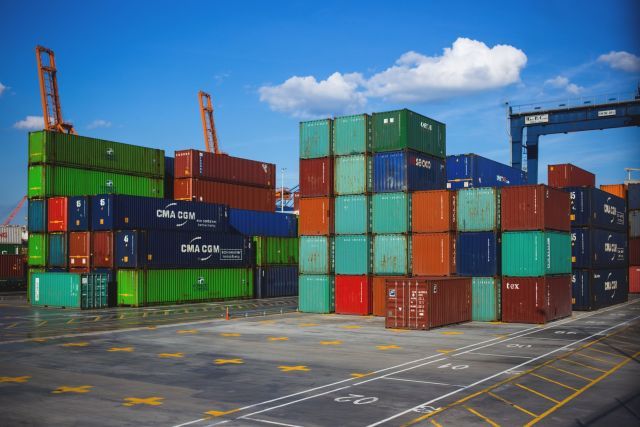
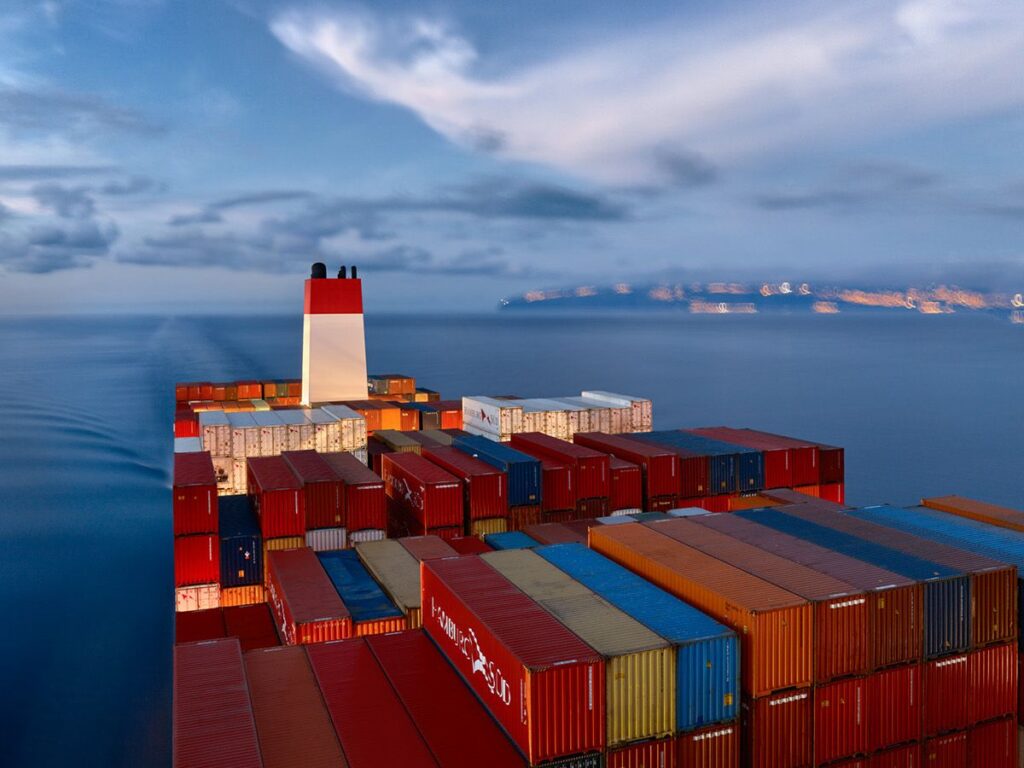
The cost of shipping container from China to UK is one of the most common concerns for importers and businesses. With rising demand, fluctuating fuel prices, and global supply chain challenges, understanding shipping costs is crucial. Reliable Chinese freight forwarders offering sea freight, air freight, and rail freight services can simplify the process, ensuring smooth and cost-effective delivery.
Sea freight rates change due to fuel surcharges, seasonal demand (e.g., pre-Christmas rush), global port congestion, and capacity shortages. Moreover, unexpected events like strikes or geopolitical tensions impact pricing.
How Does Transit Time Vary by UK Destination?
Origin Port in China
UK Port
Average Transit Time (Sea Freight)
Shanghai
Felixstowe
32–35 days
Shenzhen
Southampton
30–32 days
Ningbo
London Gateway
34–37 days
Qingdao
Liverpool
35–40 days
What Customs Duties and Taxes Apply?
Importers must budget for:
UK Import Duty: Depends on product HS Code
VAT (20% standard rate): Applied on goods + freight + duty
Customs Clearance Fees: Paid to broker or freight forwarder
Customs Documents Checklist
Document
Purpose
Bill of Lading (B/L)
Proof of shipment
Commercial Invoice
Declares cargo value
Packing List
Details cargo contents
Import License (if required)
For restricted items
Certificate of Origin
Verifies manufacturing country
How Do Transit Times Compare by Mode?
Mode
Transit Time
Notes
Sea Freight
18–28 days
Best for bulk
Air Freight
5–9 days
Fast, reliable
Courier
3–6 days
Ideal for small parcels
Air freight is preferred for urgent items, while sea freight remains the cheapest choice for bulk trade.
Can Rail Freight Be a Cost-Effective Alternative?
Yes. Rail freight from China to the UK via the China–Europe corridor offers mid-range pricing and faster transit compared to sea. It is particularly attractive for electronics, fashion, and seasonal goods requiring quicker turnaround but lower costs than air.
Should You Choose FCL or LCL?
FCL (Full Container Load): Entire container booked, cheaper per unit, ideal for >15 CBM.
LCL (Less than Container Load): Cargo consolidated with others, suitable for small shipments, but may involve longer handling time.
What Are the Pros and Cons of Air, Sea, and Rail Freight?
Mode
Pros
Cons
Air
Fastest, reliable, secure
High cost, weight limitations
Sea
Cheapest, high capacity
Long transit, customs delays possible
Rail
Balanced cost/time
Limited routes, capacity constraints
How Can Reliable Freight Forwarders Help?
Freight forwarders in China manage negotiations with carriers, optimize routes, handle customs paperwork, and provide door-to-door delivery solutions. Choosing the right partner ensures cost savings and fewer disruptions.
Practical Tips to Reduce Shipping Costs
Book early during peak season.
Compare multiple carriers.
Optimize packaging to reduce volumetric weight.
Consider multimodal solutions (e.g., sea + rail).
Use trusted Chinese freight forwarders with strong UK networks.
Final Thoughts
The cost of shipping container from China to UK depends on container type, route, shipping method, and customs requirements. Sea freight remains the most economical for large volumes, rail offers a balanced alternative, and air is best for urgent shipments. By partnering with an experienced freight forwarder, importers can save time, reduce expenses, and ensure smooth delivery.