

The cost to ship food products from China to the UK depends on factors such as shipment size, method, and customs requirements. Many importers struggle with balancing fast delivery, compliance with food safety regulations, and keeping costs low. This guide explains key factors affecting shipping costs, compares methods, and provides practical tips to make your food import process smooth and cost-effective.

What Factors Influence the Cost to Ship Food Products?
Several elements affect how much you’ll spend on food shipping. These include cargo type, packaging requirements, shipping method, and destination port charges. Additionally, customs clearance fees and UK food import regulations play a crucial role in determining total costs. Understanding these details in advance allows businesses to budget effectively.
How Do Different Shipping Methods Affect Food Shipping Costs?
Importers can choose between air freight, sea freight, and rail freight. Each method comes with unique pricing and transit time considerations.
| Method | Average Transit Time | Cost Level | Best Use Case |
|---|---|---|---|
| Air Freight | 3–7 days | High | Urgent perishable food, short shelf life |
| Sea Freight | 25–40 days | Low | Bulk, non-perishable packaged foods |
| Rail Freight | 15–22 days | Medium | Cost-efficient mid-speed option to the UK |
Why Are Perishable Food Shipments More Expensive?
Perishable goods such as fruits, seafood, and dairy require cold chain logistics. This means temperature-controlled containers, faster transport, and specialized handling. These services significantly increase costs compared to shipping packaged or canned food. Moreover, insurance premiums for perishable shipments are higher due to spoilage risks.
What are you waiting for?
Contact chinatopfreight for a fast, free quote.
Are you ready to book?
Access live instant freight quotes
What Role Does Packaging Play in Shipping Costs?
Packaging directly impacts the total price of shipping food from China to the UK.
- Standard packaging: Suitable for dry foods, cereals, and canned products.
- Specialized packaging: Includes insulated boxes, refrigerated containers, and vacuum sealing.
While specialized packaging increases upfront costs, it ensures compliance with UK import regulations and reduces product loss.
Can Bulk Shipping Lower Food Shipping Costs?
Yes, bulk shipping can reduce the cost per unit. For example, a full container load (FCL) is more economical for large orders, while less than container load (LCL) suits smaller shipments but involves higher per-cubic-meter charges.
| Container Size | Approx. Capacity | Cost Efficiency | Ideal Cargo |
|---|---|---|---|
| 20ft Container | 28–30 CBM | Medium | Medium food shipments |
| 40ft Container | 58–60 CBM | High | Bulk packaged food imports |
| LCL (Shared) | Flexible | Lower per shipment | Small shipments, higher per unit |
How Much Do Customs and Duties Add to Costs?
UK customs apply tariffs based on product type and declared value. Importers must provide documents such as health certificates, invoices, and packing lists. Delays in documentation can lead to storage fees or penalties.
| Document | Purpose |
|---|---|
| Commercial Invoice | Declares goods value |
| Packing List | Identifies food cargo details |
| Health Certificates | Required for meat, seafood, dairy, etc. |
| Bill of Lading/AWB | Proof of transport |
| Import License (if any) | Permission for restricted food categories |
Do Transit Times Impact the Final Cost?
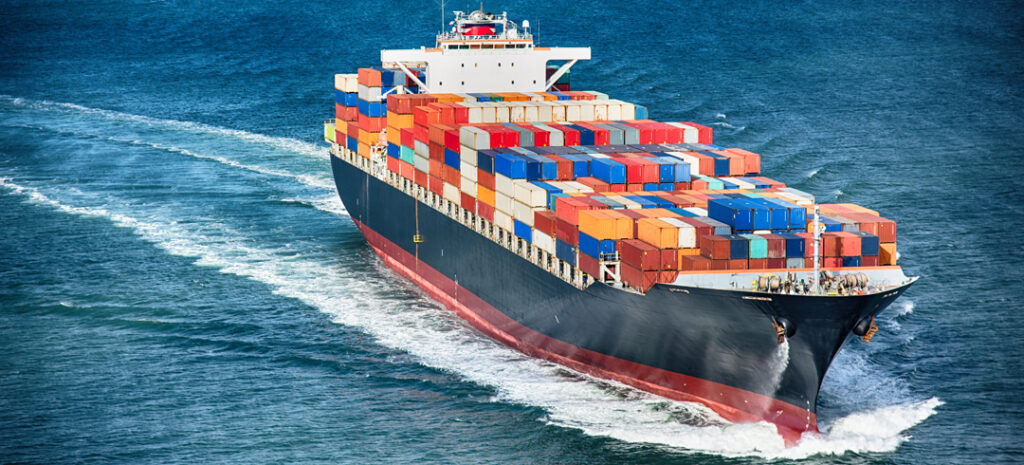
Yes, faster delivery increases overall costs. Air freight is the fastest but most expensive, while sea freight is cheaper but slower. Businesses must evaluate shelf life and sales urgency before deciding.
- Air Freight: Best for products with less than 14 days shelf life.
- Sea Freight: Suitable for long-lasting packaged goods.
- Rail Freight: Balanced option for semi-perishable goods.
What Are the Pros and Cons of Each Shipping Method?
| Method | Pros | Cons |
|---|---|---|
| Air Freight | Fast, safe for perishable goods | Expensive, limited cargo volume |
| Sea Freight | Cost-effective, handles bulk loads | Long transit, unsuitable for perishable |
| Rail Freight | Faster than sea, cheaper than air | Limited routes, seasonal availability |
Should You Use a Freight Forwarder for Food Shipments?
Yes, using a freight forwarder ensures regulatory compliance, consolidated shipping, and reduced costs. They manage customs, packaging, and delivery schedules, saving importers both time and money. Working with professionals is especially important when handling perishable food imports to avoid costly mistakes.
Conclusion
The cost to ship food products from China to the UK depends on shipping method, packaging, customs, and cargo type. While air freight is faster, sea and rail provide cost-effective solutions for bulk or non-perishable goods. Partnering with a freight forwarder ensures compliance, optimized costs, and smooth delivery. With careful planning, importers can balance speed, safety, and affordability when shipping food to the UK.
FAQ
1. What’s the cheapest way to ship food products from China to the UK?
Sea freight is generally the cheapest for large shipments of non-perishable food, while air freight is costly but suitable for urgent perishable goods.
2. Are there restrictions on importing food into the UK?
Yes, certain food categories like meat and dairy require strict health certificates, while others like packaged goods have simpler customs processes.
3. How do I calculate import duties on food products?
Duties are calculated based on product type and declared value, following UK tariff classifications. Importers should verify HS codes before shipping.
4. Is insurance necessary for food shipments?
Yes, insurance protects against spoilage, damage, or delays. It is especially recommended for perishable goods with high value or strict shelf life.
5. What is the role of cold chain logistics?
Cold chain ensures perishable goods remain safe during transport using temperature-controlled storage and containers. It increases shipping costs but maintains quality.