

- By kelly
- October 20, 2025
- Logistics, Tips or Guide
Cost to Ship Toys from China to Europe: Complete Importer’s Guide
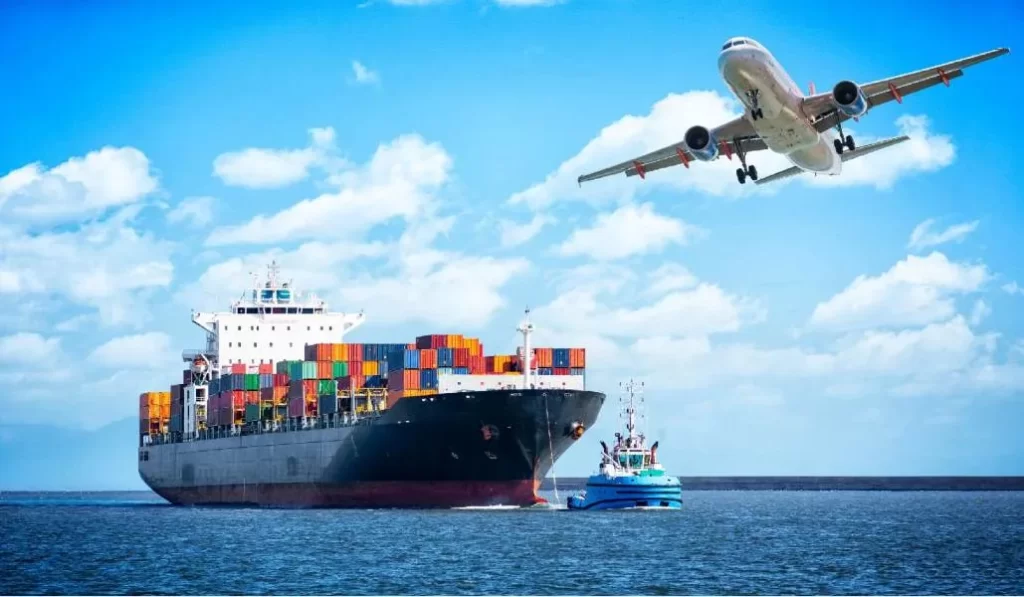
The cost to ship toys from China to Europe varies depending on shipping method, container size, and customs requirements. Many toy importers struggle with balancing price, transit time, and compliance with European safety standards. This guide breaks down shipping costs, documentation, methods, and strategies so you can optimize your supply chain and avoid costly mistakes.
1. Why Is China the Main Source for Toys Shipped to Europe?
China dominates global toy manufacturing, producing more than 70% of the world’s toys. Importers prefer sourcing from Shenzhen, Yiwu, and Ningbo because of competitive pricing, established supply chains, and mass production capacity. However, international logistics and customs clearance remain challenging without expert guidance.
2. How Much Does It Cost to Ship Toys from China to Europe?
The cost depends on shipping mode (air, sea, or rail), cargo size, and destination port.
| Shipping Mode | Average Cost | Transit Time | Best For | Cons |
|---|---|---|---|---|
| Sea Freight (20FT FCL) | $2,000 – $3,500 | 30–40 days | Bulk shipments | Slow |
| Sea Freight (40FT FCL) | $3,800 – $5,800 | 30–40 days | Large toy orders | Space booking |
| LCL (per CBM) | $120 – $180 | 32–42 days | Small businesses | Consolidation delays |
| Air Freight | $6 – $10/kg | 5–7 days | Urgent deliveries | Expensive |
| Rail Freight | $4,000 – $6,000 / 40FT | 18–22 days | Eurasian markets | Limited coverage |
3. What Is the Transit Time from China to Europe for Toys?
| Route | Average Transit Time |
|---|---|
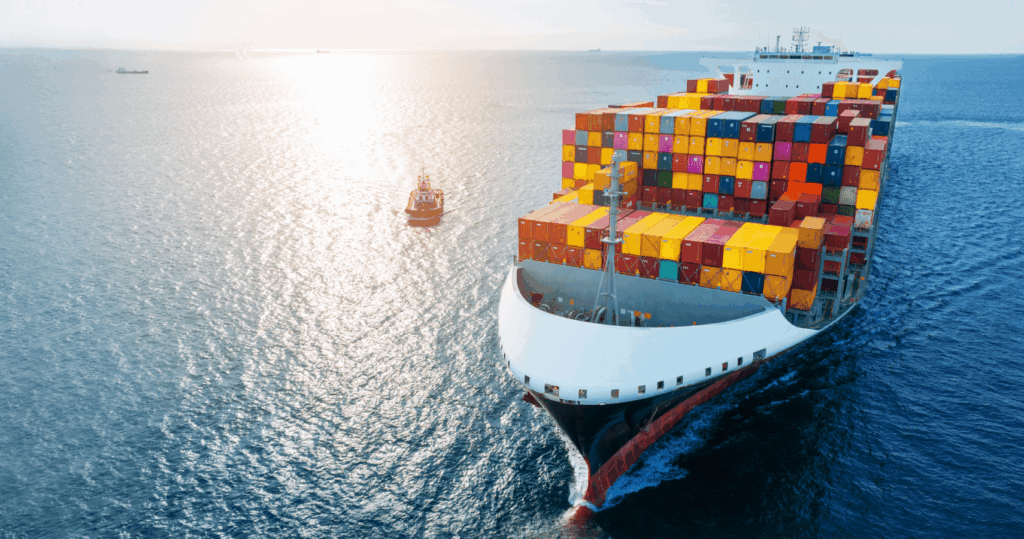
| Shenzhen → Rotterdam | 32–36 days |
| Ningbo → Hamburg | 30–35 days |
| Shanghai → Antwerp | 30–38 days |
| Yiwu → Warsaw (Rail) | 18–22 days |
While sea freight takes longer, it is the most economical choice for toy shipments.
4. What Documents Are Needed to Import Toys into Europe?
Toy importers must prepare accurate paperwork to comply with EU customs and safety standards.
| Document | Purpose |
|---|---|
| Bill of Lading / Air Waybill | Proof of carriage |
| Commercial Invoice | Declares product value |
| Packing List | Shipment breakdown |
| CE Certificate | Ensures EU toy safety compliance |
| EN 71 Testing Report | Required for toy imports |
| Importer’s EORI Number | Mandatory for customs clearance |
| Customs Declaration | Legal entry approval |
5. Why Is CE Marking Crucial for Toys?
6. Should You Choose FCL or LCL for Toy Shipments?
- FCL (Full Container Load): Best for large-scale toy importers, lower per-unit costs, safer handling.
- LCL (Less than Container Load): Flexible option for smaller shipments but involves consolidation risks and longer transit.
7. Air vs. Sea vs. Rail Freight for Toy Imports
| Method | Pros | Cons |
|---|---|---|
| Air Freight | Fast, secure, good for samples | High cost |
| Sea Freight | Affordable, high capacity | Longer transit |
| Rail Freight | Faster than sea, cheaper than air | Limited destinations |
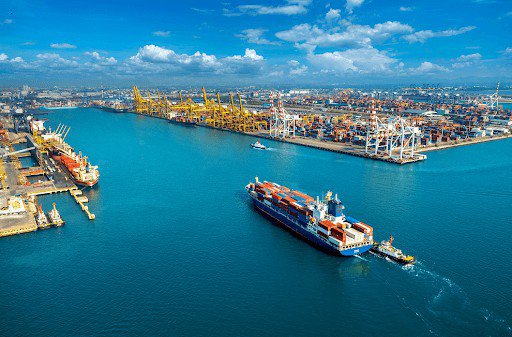
Sea freight remains the most practical option for bulk toy imports, while rail suits Central/Eastern Europe.
8. What Taxes and Duties Apply When Importing Toys?
Import duties on toys usually range from 0–5%, depending on HS codes. Additionally, importers must pay VAT, which varies by country (e.g., 19% in Germany, 20% in France, 21% in Spain). Calculating landed cost ensures accurate profit margins.
9. How Can Importers Save Money on Shipping Toys from China?
- Book in advance to avoid peak-season surcharges.
- Use freight forwarders offering consolidation for LCL.
- Optimize packaging to maximize container space.
- Compare multiple carriers (COSCO, EMC, OOCL, MSK, HMM).
- Combine shipping with other products for better rates.
10. Common Challenges When Shipping Toys to Europe
- Customs delays due to missing CE/EN71 certification.
- High seasonal demand during Q4 (Christmas).
- Fragile toy packaging requiring extra protection.
- Long lead times from manufacturers to retailers.
However, these challenges can be managed by working with experienced logistics providers.
11. Do Toys Require Special Packaging for Sea Freight?
Yes, toy packaging must protect products from humidity and pressure. Using moisture-proof cartons, bubble wrap, and pallets ensures safe delivery. For fragile toys, wooden crates or reinforced cartons are advisable.
12. Pros and Cons of Shipping Toys from China to Europe
| Pros | Cons |
|---|---|
| Cost-effective bulk shipping | Long transit times |
| Wide choice of carriers and routes | Customs complexity |
| Compliance improves market trust | Requires strict safety certification |
| Flexible LCL and FCL options | Seasonal congestion |
📦Get a Free Quote
If you want to simplify the process of calculating the cost to ship toys from China to Europe, the best option is to consult with a professional freight forwarder. Our team ensures compliance with EU standards, provides competitive rates, and manages door-to-door delivery for your toy imports. Contact us today for a tailored shipping solution.
❓ Frequently Asked Questions
1. How much does it cost to ship toys by air from China to Europe?
Air freight costs between $6–$10 per kilogram, depending on carrier, volume, and delivery urgency.
2. Do I need CE marking for all toy imports into Europe?
Yes, all toys must carry CE marking, proving compliance with EU toy safety regulations and standards.
3. What is the best shipping method for bulk toy imports?
Sea freight is the most cost-effective for bulk shipments, though rail is faster for Central and Eastern Europe.
4. Can I import used toys from China to Europe?
Generally discouraged, as most EU countries require new, safety-certified toys with CE and EN71 testing reports.
5. How long does customs clearance take for toy imports?
Usually 1–3 days if documents are accurate. However, safety inspections or missing paperwork can cause longer delays.
Conclusion
The cost to ship toys from China to Europe depends on container type, shipping mode, and customs compliance. Sea freight is the most affordable option for bulk shipments, while rail and air provide alternatives for faster delivery. By preparing documents correctly, obtaining CE certification, and working with experienced logistics partners, importers can save money, minimize risks, and ensure smooth entry into the European toy market.