

Importing goods into Australia requires precision, compliance, and expertise, which is why many importers rely on a professional customs broker china to australia to manage documentation, duties, and clearance procedures. Moreover, Australian Border Force (ABF) and the Department of Agriculture impose strict requirements, making expert support essential for avoiding delays and penalties.

What Does a Customs Broker China to Australia Do?
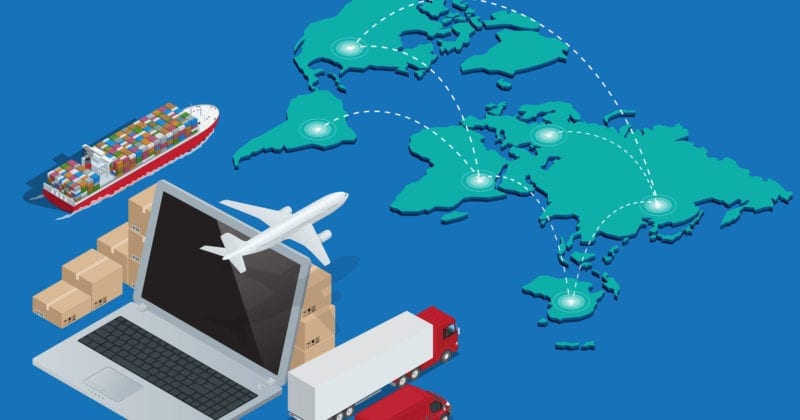
A customs broker china to australia ensures your cargo meets all import regulations, assists with tariff classification, prepares documentation, and facilitates communication with Australian customs authorities. Additionally, brokers help importers avoid costly mistakes, reduce clearance time, and improve supply-chain predictability.
Core Responsibilities of a Customs Broker
- Customs declarations
- Duty & GST calculation
- HS code classification
- Quarantine (biosecurity) compliance
- Document preparation
- Coordination with ABF and DAFF
- Managing inspections
- Ensuring regulatory compliance
Why Do You Need a Customs Broker for Imports from China to Australia?
Australia has strict regulations, particularly concerning product safety, quarantine, and import duties. Therefore, importers often struggle with documentation accuracy, value declaration, and tariff assessments.
Key Reasons to Hire a Customs Broker
- Avoid customs delays
- Ensure correct HS code classification
- Reduce penalty risks
- Manage fumigation and quarantine rules
- Speed up clearance
- Simplify duty refunds or concessions
Moreover, brokers help importers optimize duties through Free Trade Agreement (FTA) benefits.
What Are the Costs for Customs Brokerage When Shipping from China to Australia?
Costs vary depending on cargo type, shipment size, and service complexity.
| Service Type | Estimated Cost (AUD) | Notes |
|---|---|---|
| Customs Clearance | $120–$250 | Standard import entries |
| Quarantine Processing | $80–$150 | For biosecurity goods |
| Tariff Advice | $50–$120 | HS code classification |
| Document Processing | $60–$120 | Invoice, packing list, etc. |
| Inspection Coordination | $80–$150 | DAFF or ABF inspections |
| Duty Calculation Review | $40–$80 | Ensures accurate import tax |
Additional costs may apply for complex cargo like food, timber, and electronics.
What are you waiting for?
Contact chinatopfreight for a fast, free quote.
Are you ready to book?
Access live instant freight quotes
What Documents Are Required for China–Australia Imports?
| Document | Purpose |
|---|---|
| Commercial Invoice | Declares value |
| Packing List | Weight & box count |
| Bill of Lading or AWB | Transport document |
| Import Declaration | Submitted to ABF |
| Certificate of Origin | For FTA duty reduction |
| Quarantine Certificates | Required for certain goods |
| HS Codes | Duty classification |
| Insurance Certificate | Optional but recommended |
How Long Does Customs Clearance Take in Australia?
Clearance duration depends on documentation accuracy, inspection requirements, and freight method.
| Shipping Method | Clearance Time |
|---|---|
| Air Freight | 1–2 days |
| Sea Freight | 2–5 days |
| High-Risk Goods | 5–12 days (inspection) |
| Quarantine Goods | +2–7 days additional |
What Are the Main Shipping Options from China to Australia?
| Method | Transit Time | Cost Level | Best For | Pros | Cons |
|---|---|---|---|---|---|
| Sea Freight (FCL) | 18–28 days | Low | Large loads | Cheapest | Slow |
| Sea Freight (LCL) | 22–35 days | Low–Medium | Small loads | Flexible | More handling |
| Air Freight | 3–7 days | High | Urgent goods | Fast | Expensive |
| Express | 2–5 days | Very High | Samples | Convenient | Pricey |
A customs broker works with all methods to ensure compliant clearance.
What Goods Commonly Require Customs Broker Assistance for Australia Imports?
Some goods face stricter documentation requirements and biosecurity checks.
High-Risk Product Categories
- Food and supplements
- Wood products
- Leather goods
- Cosmetics and skincare
- Electronics
- Clothing and textiles
- Furniture
- Auto parts
Additionally, some goods may require permits or quarantine inspections.
How Does a Customs Broker Help with HS Code Classification?
Correct HS codes determine duties, GST, and import restrictions. Additionally, misclassification may trigger audits or penalties.
Broker Support Includes:
- Tariff interpretation
- Duty simulation
- GST calculation
- FTA eligibility review
- Advice on duty concessions
Correct classification reduces compliance risks significantly.
How to Avoid Delays When Importing Goods from China to Australia?
Delays usually occur due to incorrect paperwork, missing declarations, or incomplete product details.
Delay-Prevention Strategies
- Submit documents early
- Ensure correct HS codes and FTA certificates
- Maintain accurate values & descriptions
- Follow biosecurity packaging standards
- Use professional customs brokers
- Confirm product-specific regulations
Moreover, clear communication with suppliers prevents errors.
How Much Duty and GST Will You Pay When Importing From China?
Duty depends on HS code, while GST is based on the CIF value.
| Calculation Component | Example Amount |
|---|---|
| Product Value | $5,000 |
| Freight Cost | $600 |
| Insurance | $50 |
| CIF Total | $5,650 |
| Duty (5%) | $282.50 |
| GST (10%) | $593.25 |
Conclusion
In conclusion, customs broker china to australia services play a crucial role in ensuring smooth, compliant, and efficient imports. With expert support for documentation, duty calculations, HS codes, and biosecurity requirements, importers can minimize risks and streamline supply-chain operations. Moreover, partnering with a knowledgeable customs broker helps businesses avoid delays, reduce costs, and maintain consistent import performance across all cargo types.
FAQ
1. Do I need a customs broker when importing goods from China to Australia?
While not mandatory, using a broker ensures proper documentation, correct HS codes, and faster customs clearance, especially for regulated, high-risk, or complex goods.
2. How long does customs clearance take for China–Australia shipments?
Clearance usually takes 2–5 days for sea freight and 1–2 days for air freight, although inspections, documentation errors, or peak seasons can extend processing time.
3. What goods require special import permits in Australia?
Items like food, wood, plants, cosmetics, and medical products often require permits or additional documentation due to biosecurity and product safety regulations.
4. Can a customs broker reduce my import duties?
Yes. Brokers review HS codes, apply FTA benefits, and identify duty concessions that may reduce payable tariffs and improve overall import cost efficiency.
5. What happens if my documents are incorrect?
Incorrect or mismatched documents may trigger delays, inspections, penalties, or cargo holds. A customs broker ensures accuracy and prevents avoidable compliance mistakes.