

Managing customs broker China to Italy services is essential for importers who want stress-free, compliant, and efficient trade operations. With Italy being a major entry point for goods entering Europe, navigating customs procedures can be complex. Therefore, a professional customs broker simplifies the process by handling declarations, taxes, and documentation on your behalf, ensuring timely and legal delivery of your shipments.

1. Why Do You Need a Customs Broker When Shipping from China to Italy?
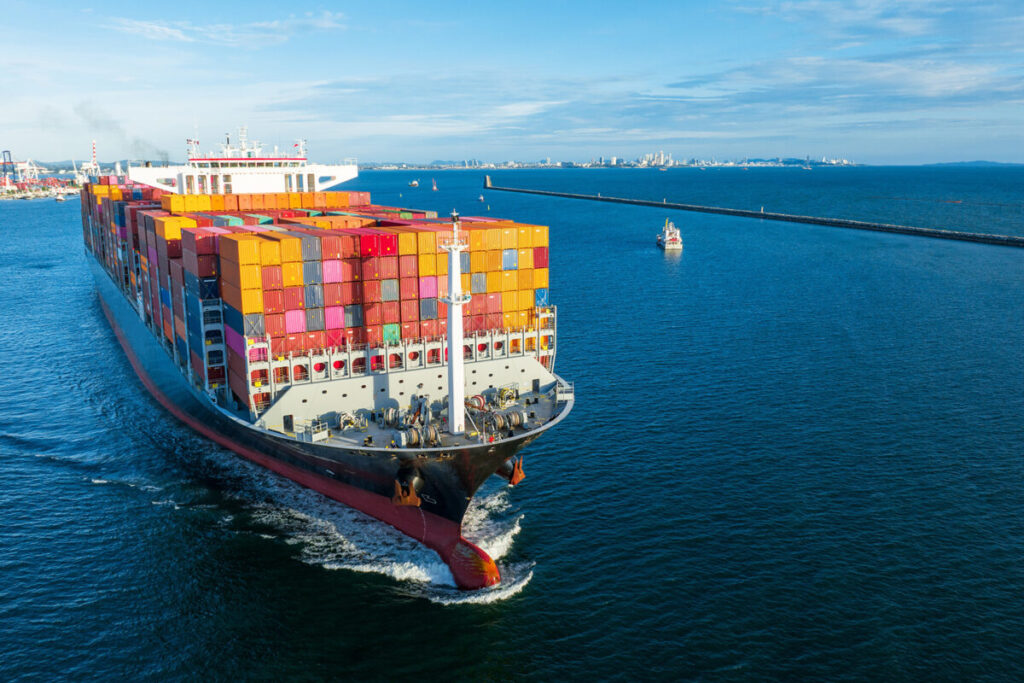
Shipping from China to Italy involves numerous regulations under both Chinese export and EU import laws. A customs broker acts as your licensed representative to manage these complexities.
Key advantages include:
- Avoiding fines and delays due to misdeclarations
- Ensuring compliance with EU VAT and duty rules
- Optimizing duty and tariff classification
- Speeding up customs clearance for faster delivery
Moreover, brokers provide value-added support, including tariff analysis, bonded warehousing, and end-to-end shipment tracking.
2. What Are the Responsibilities of a Customs Broker?
A reliable customs broker manages every detail of your import process—from preparing paperwork to final delivery.
| Service | Description |
|---|---|
| Customs Declaration | Submits required documents to Italian authorities |
| Tariff Classification | Assigns correct HS codes to goods |
| Duty & VAT Calculation | Determines and pays applicable taxes |
| Documentation Review | Ensures accuracy and compliance |
| Liaison with Customs | Communicates with Italian Customs for clearance |
| Post-Clearance Support | Handles audits, corrections, or refunds |
Therefore, choosing an experienced customs broker China to Italy guarantees you meet all compliance obligations while reducing delays and costs.
3. What Are the Shipping Methods for Imports from China to Italy?
Different freight options influence how customs clearance is handled.
| Shipping Method | Transit Time | Cost | Best For | Customs Impact |
|---|---|---|---|---|
| Air Freight | 6–10 days | $$$ | High-value, urgent cargo | Faster customs inspection |
| Sea Freight | 35–45 days | $ | Bulk, non-urgent goods | Port-based customs clearance |
| Rail Freight | 18–22 days | $$ | Medium shipments | Land-based customs hubs |
| Express Courier | 4–6 days | $$$$ | Small parcels | Simplified customs via couriers |
Each method requires proper coordination between freight forwarders and brokers to prevent clearance bottlenecks.
What are you waiting for?
Contact chinatopfreight for a fast, free quote.
Are you ready to book?
Access live instant freight quotes
4. How Does the Customs Clearance Process Work in Italy?
Understanding the workflow helps importers prepare better.
Step-by-Step Process:
- Document Submission – Broker files the customs declaration.
- Inspection & Classification – Customs officers verify goods and HS codes.
- Duties & VAT Calculation – Broker calculates and pays on your behalf.
- Release of Cargo – Once cleared, goods are delivered to final destination.
Moreover, Italy uses the EU’s Automated Import System (AIS), allowing brokers to clear goods digitally, saving time and reducing paperwork.
5. What Customs Documents Are Required for Import from China to Italy?
| Document | Purpose |
|---|---|
| Commercial Invoice | Declares product value and details |
| Packing List | Lists shipment contents and quantities |
| Bill of Lading / Air Waybill | Proof of carriage contract |
| Certificate of Origin | Identifies product origin for tariff purposes |
| Import License (if required) | Needed for restricted goods |
| CE Certificate | Proves EU product compliance |
| Customs Declaration Form | Submitted via customs broker |
Accurate documentation ensures your cargo passes inspection without unnecessary delays.
6. What Are the Import Duties and Taxes for Goods from China to Italy?
Italy applies EU Common Customs Tariff (CCT) rates. Importers must pay both customs duty and VAT.
| Goods Category | HS Code Range | Duty Rate (%) | VAT (%) |
|---|---|---|---|
| Electronics | 8501–8548 | 0–10 | 22 |
| Clothing | 6101–6217 | 12 | 22 |
| Footwear | 6401–6406 | 8–17 | 22 |
| Furniture | 9401–9403 | 5–10 | 22 |
| Machinery | 8401–8486 | 0–6 | 22 |
Therefore, brokers ensure goods are classified correctly to avoid overpaying duties or violating import regulations.
7. How Do Customs Brokers Help with HS Codes and Tariff Classification?
Incorrect HS classification is one of the most common causes of customs disputes.
A customs broker China to Italy helps you:
- Assign the correct HS Code based on product specifications
- Identify eligible duty exemptions or trade agreements
- Avoid reclassification penalties and import delays
Additionally, brokers use official TARIC (Integrated Tariff of the European Communities) databases to determine accurate duty and tax rates.
8. Can Customs Brokers Handle DDP Shipments from China to Italy?
Yes. Many freight forwarders and brokers offer Delivered Duty Paid (DDP) shipping. Under DDP terms, all duties, VAT, and customs handling fees are prepaid before delivery.
Benefits of DDP Service:
- Simplifies import process
- Avoids customs hold-ups
- Provides cost visibility upfront
- Ideal for eCommerce and B2B imports
Therefore, importers can focus on sales while brokers manage logistics and compliance.
9. What Are Common Mistakes Importers Make During Customs Clearance?
Avoiding these mistakes can save time and money:
- Declaring incorrect HS Codes
- Understating product value
- Missing CE or product compliance documents
- Using incomplete invoices
- Choosing unlicensed customs brokers
A certified customs broker ensures each step aligns with EU import standards.
10. What Are the Benefits of Hiring a Local Italian Customs Broker?
| Benefit | Explanation |
|---|---|
| Local Expertise | Deep knowledge of Italian customs laws |
| Faster Clearance | Direct communication with customs officers |
| Language Advantage | Handles Italian paperwork accurately |
| EU Compliance | Ensures full alignment with European regulations |
| Cost Efficiency | Prevents unnecessary taxes and fines |
Therefore, using a local partner—especially one integrated with your freight forwarder—ensures end-to-end supply chain visibility.
Conclusion
In summary, hiring a customs broker China to Italy ensures seamless import operations, accurate documentation, and faster clearance. Brokers bridge the gap between Chinese exporters and Italian customs, reducing risks and delays. With professional guidance, you can optimize shipping costs, maintain compliance, and strengthen your international supply chain.
Partner with ChinaTopFreight for expert brokerage and logistics support—your gateway to smooth trade between China and Italy.
FAQ
1. What does a customs broker do in Italy?
A customs broker handles import declarations, duty payments, and compliance with Italian and EU customs regulations for faster clearance.
2. Can I clear customs in Italy without a broker?
Yes, but using a licensed broker ensures accuracy, saves time, and helps avoid costly compliance errors or delays.
3. How long does customs clearance take in Italy?
Typically, 1–3 business days for compliant shipments, but longer if inspections or documentation errors occur.
4. What is the difference between a freight forwarder and a customs broker?
Freight forwarders manage transport; customs brokers handle import documentation, taxes, and legal compliance.
5. What happens if I misdeclare goods during import?
Incorrect declarations can result in penalties, shipment delays, or even confiscation by Italian customs authorities.