

- By kelly
- October 2, 2025
- Logistics, Tips or Guide
Customs Clearance China to Belgium: Complete Importer’s Guide
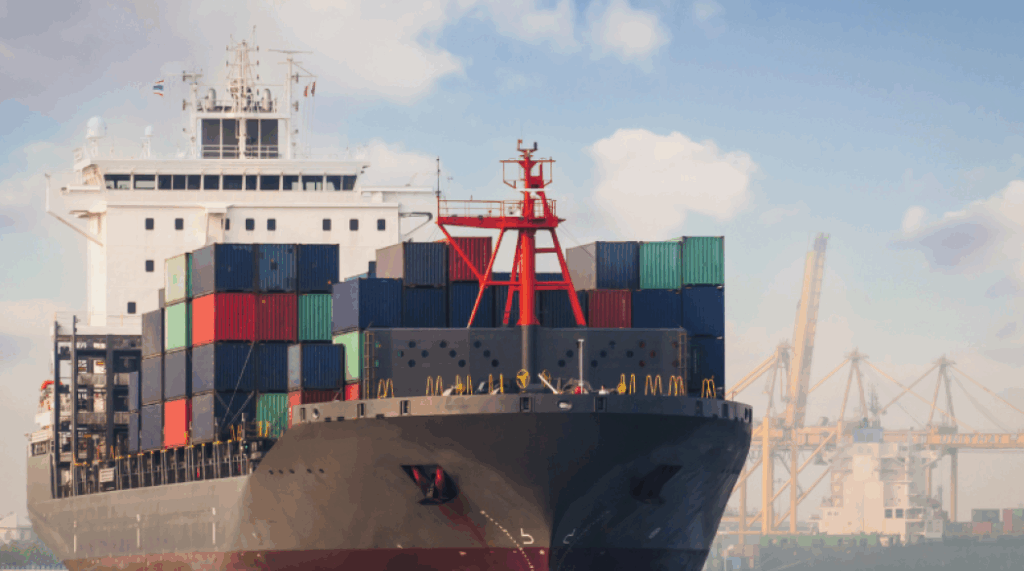
When importing goods into the EU market, handling customs clearance China to Belgium is one of the most important steps for success. Delays, fines, and shipment seizures often result from incomplete paperwork or incorrect HS codes. However, with proper planning and knowledge of Belgian customs regulations, businesses can enjoy smooth logistics and avoid unnecessary costs.
1. What Is Customs Clearance from China to Belgium?
Customs clearance is the process of submitting documents, paying duties, and ensuring that imported goods comply with Belgian and EU laws. It involves:
- Declaring the shipment with Belgian customs.
- Paying import duty and VAT.
- Complying with EU safety and labeling standards.
- Obtaining necessary permits for restricted goods.
Belgium, with Antwerp and Zeebrugge ports, serves as a major gateway for Chinese goods into the EU.
2. How Long Does Customs Clearance in Belgium Take?
Clearance time depends on shipment type and documentation accuracy.
| Clearance Type | Average Time | Notes |
|---|---|---|
| Standard Clearance | 1–3 days | If documents are correct |
| Inspection Required | 3–7 days | For high-risk or restricted goods |
| Express Shipments | Few hours | Using pre-cleared courier systems |
Proper documentation reduces delays, while random inspections may extend clearance time.
3. What Documents Are Required for Customs Clearance China to Belgium?
| Document | Purpose |
|---|---|
| Commercial Invoice | Declares value and product details |
| Packing List | Confirms cargo contents |
| Bill of Lading / Air Waybill | Contract of carriage |
| Certificate of Origin | Confirms manufacturing country |
| Import License (if needed) | For restricted goods (e.g., chemicals) |
| Product Compliance Certificate | CE/UKCA for electronics, safety standards for toys and textiles |
Errors or missing documents often cause delays or penalties at customs.
4. What Are the Import Duties and VAT in Belgium?
Import duties depend on HS codes, while VAT applies to most imports.
| Tax Type | Rate | Notes |
|---|---|---|
| Import Duty | 0–12% | Based on product category |
| Belgium VAT | 21% | Applied to CIF value + duty |
| Reduced VAT | 6% or 12% | For food, books, medicines |
Accurate classification ensures correct duty calculation and avoids disputes.
5. What Shipping Methods Are Available from China to Belgium?
| Method | Transit Time | Cost | Best For |
|---|---|---|---|
| Sea Freight (FCL) | 30–40 days | Low | Bulk cargo |
| Sea Freight (LCL) | 35–45 days | Medium | Smaller loads |
| Air Freight | 5–9 days | High | Urgent goods |
| Rail Freight | 18–25 days | Medium | Inland EU destinations |
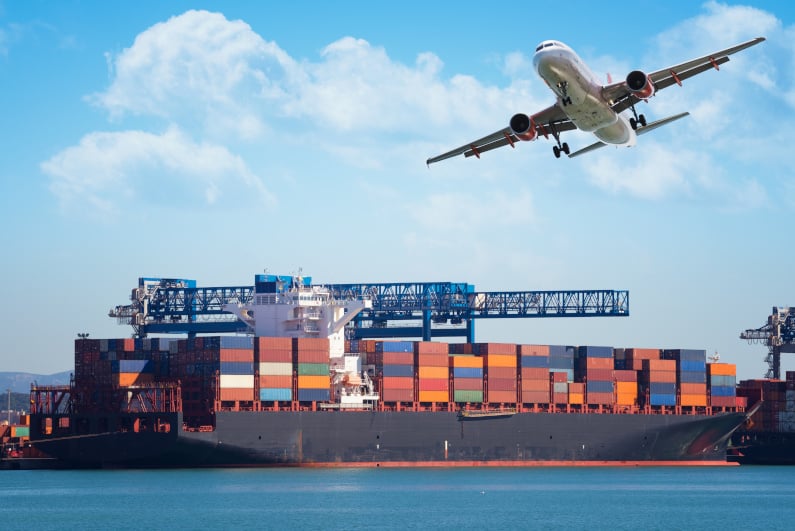
Sea freight is the most common method for large volumes, while air and rail provide faster alternatives.
6. Should You Ship FCL or LCL to Belgium?
| Option | Advantages | Disadvantages |
|---|---|---|
| FCL (Full Container Load) | Cheaper per unit, faster clearance, safer handling | Requires high volume |
| LCL (Less than Container Load) | Good for small shipments, cost-sharing | Slower, risk of mixed cargo issues |
Furniture, machinery, and electronics are often shipped via FCL to reduce handling risks.
7. How Do Customs Inspections Work in Belgium?
Belgian customs may perform:
- Document checks (verifying invoices and HS codes).
- Physical inspections (examining packages).
- Laboratory analysis for sensitive goods (food, chemicals).
Importers should be prepared for possible delays if products fall under restricted categories.
8. What Are Common Challenges in Customs Clearance?
- Incorrect HS code classification → higher duty.
- Incomplete documents → clearance delays.
- Non-compliance with EU standards → shipment rejection.
- Seasonal congestion at Antwerp → port delays.
Working with a freight forwarder ensures compliance and reduces risks.
9. What Are the Pros and Cons of Shipping Methods for Belgium Imports?
| Method | Pros | Cons |
|---|---|---|
| Sea Freight | Low cost, high capacity | Long transit time |
| Air Freight | Fast, reliable | Expensive |
| Rail Freight | Moderate cost and time | Limited coverage |
| Courier/Express | Door-to-door, quick | Only for small packages |
10. How to Speed Up Customs Clearance?
- Submit digital documentation in advance.
- Use reliable HS code classification.
- Hire a customs broker for professional filing.
- Pre-pay duties and VAT to avoid delays.
- Consolidate shipments to reduce customs handling.
11. What Is the Role of a Customs Broker in Belgium?
A customs broker:
- Files import declarations.
- Calculates duties and VAT.
- Ensures compliance with EU import laws.
- Provides clearance updates and resolves issues.
Using a broker saves time and prevents costly mistakes.
📦Get a Free Quote
Understanding and managing customs clearance China to Belgium is critical for timely deliveries and cost savings. Our team offers expertise in EU customs laws, freight forwarding, and clearance optimization. Contact us today for tailored solutions that ensure your shipments pass smoothly through Belgian customs.
❓ Frequently Asked Questions
Q1: How long does customs clearance take in Belgium?
Typically, clearance takes 1–3 days if documents are correct. Inspections may extend the process to 3–7 days.
Q2: Do I need a customs broker for importing into Belgium?
Yes, brokers simplify the process by handling documents, duty calculation, and compliance checks, reducing delays and risks.
Q3: What VAT rate applies to imports in Belgium?
The standard VAT is 21%, but reduced rates of 6% or 12% apply to certain goods such as food or medicines.
Q4: Can I ship goods directly to Belgium by rail freight?
Yes, rail freight connects China to major EU hubs, and shipments can be delivered to Belgium via intermodal transport.
Q5: What happens if my goods fail customs inspection?
They may be delayed, returned, or destroyed. Correct paperwork and compliance with EU safety standards help prevent such issues.
Conclusion
Efficient customs clearance China to Belgium requires complete documentation, correct HS classification, and compliance with EU regulations. While sea freight is cost-effective for bulk imports, air and rail offer faster alternatives. Partnering with a professional customs broker and freight forwarder ensures smooth clearance, timely delivery, and reduced costs.