

Efficient customs clearance China to Europe is the foundation of successful international trade. Whether you import electronics, textiles, machinery, or consumer goods, navigating customs procedures between China and EU countries can be complex. However, with the right documents, compliance, and freight partner, businesses can ensure fast and cost-effective deliveries.
This comprehensive guide explains customs duties, documentation, regulations, and best shipping strategies for importers moving cargo from China to Europe.

1. What Is Customs Clearance and Why Is It Important?
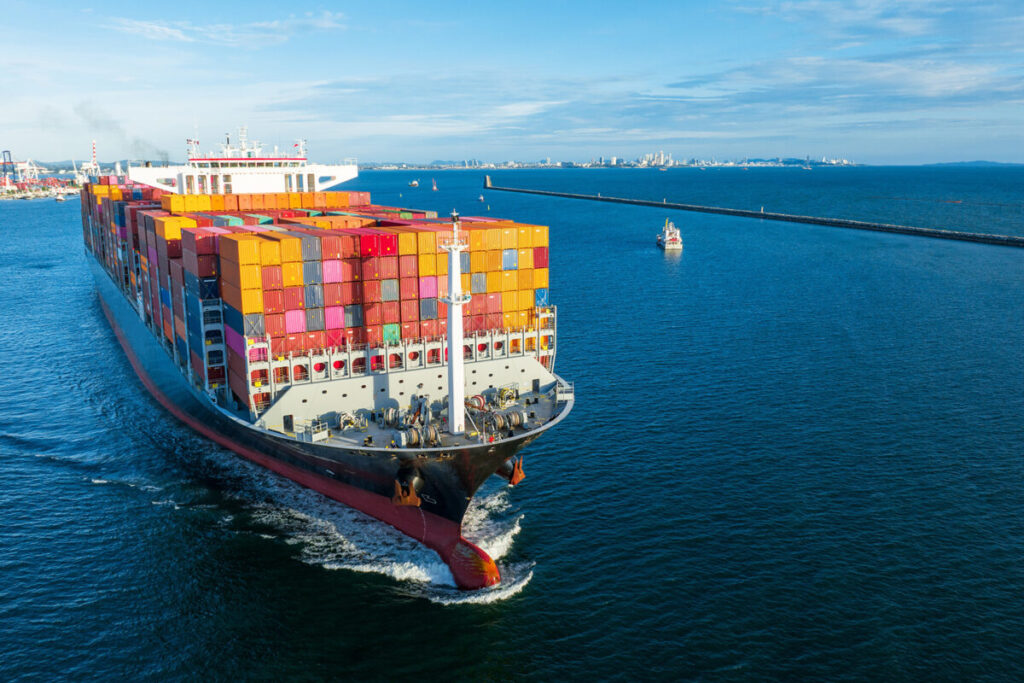
Customs clearance is the process of officially declaring goods entering or leaving a country. It ensures compliance with import/export laws, payment of duties, and approval for entry.
Without proper clearance, shipments from China can face delays, penalties, or confiscation at European borders. Therefore, choosing an experienced freight forwarder familiar with EU import regulations is crucial for smooth logistics.
Long-tail keywords: import customs China to Europe, DDP shipping from China, customs documentation China EU, freight forwarding Europe, import clearance service China.
2. How Does Customs Clearance Work from China to Europe?
The customs clearance process involves multiple stages, typically managed by a customs broker or freight forwarder.
| Step | Description | Responsibility |
|---|---|---|
| 1. Export Declaration | Declaration to Chinese Customs before departure | Exporter |
| 2. Transport & Arrival | Shipment via air, sea, or rail to EU entry port | Freight forwarder |
| 3. Import Declaration | Customs submission to EU authorities | Importer or agent |
| 4. Duty & VAT Payment | Calculated based on CIF value | Importer |
| 5. Release & Delivery | Goods cleared and delivered to final destination | Carrier |
Semantic keywords: EU import rules, HS codes, customs declaration, cargo tracking, trade compliance, VAT on imports, international shipping process.
3. What Are the Common Shipping Methods from China to Europe?
Each shipping method affects customs clearance speed, cost, and paperwork.
| Method | Transit Time | Average Cost | Best For | Customs Handling |
|---|---|---|---|---|
| Air Freight | 5–10 days | High | Urgent goods | Quick customs |
| Sea Freight (FCL/LCL) | 25–40 days | Low | Bulk shipments | Standard |
| Rail Freight | 15–22 days | Medium | Regular cargo | Moderate |
| Express Courier | 3–6 days | Highest | Small parcels | Simplified |
Pro Tip: Air and rail freight are preferred for goods requiring faster customs processing, especially during peak seasons.
Long-tail keywords: sea freight China to Europe, air freight customs, rail logistics to Germany, express courier China to France, EU cargo clearance.
What are you waiting for?
Contact chinatopfreight for a fast, free quote.
Are you ready to book?
Access live instant freight quotes
4. How Are Import Duties and VAT Calculated in Europe?
Import duties depend on the commodity’s HS code, product value, and origin. VAT is charged based on the destination country’s tax rate.
| Country | VAT Rate (%) | Duty Rate (Avg.) | Calculation Basis |
|---|---|---|---|
| Germany | 19% | 0–12% | CIF (Cost + Insurance + Freight) |
| France | 20% | 0–10% | CIF |
| Netherlands | 21% | 0–8% | CIF |
| Spain | 21% | 0–15% | CIF |
| Italy | 22% | 0–12% | CIF |
Example:
If goods worth €10,000 (CIF) enter Germany with a 5% duty, total cost = €10,000 + €500 (duty) + €1,995 (VAT).
Semantic keywords: import tax Europe, duty calculation, VAT on Chinese imports, HS code classification, tariff regulations, EU customs valuation.
5. What Documents Are Required for Customs Clearance?
Accurate documentation speeds up clearance and prevents fines.
| Document | Purpose | Issued By |
|---|---|---|
| Commercial Invoice | Declares goods and value | Exporter |
| Packing List | Details shipment content | Supplier |
| Bill of Lading / Airway Bill | Transport contract | Carrier |
| Certificate of Origin | Confirms Chinese origin | Chamber of Commerce |
| Importer’s EORI Number | EU importer identification | Customs Authority |
| Product Compliance Certificate | Confirms EU standards | Manufacturer |
6. How Long Does Customs Clearance Take in Europe?
Customs clearance time depends on the mode of transport and inspection requirements.
| Transport Mode | Clearance Time | Notes |
|---|---|---|
| Air Freight | 1–3 days | Fast electronic declaration |
| Sea Freight | 3–7 days | Container inspection may add time |
| Rail Freight | 2–4 days | Varies by country entry point |
| Express Courier | <24 hours | Pre-cleared by courier company |
7. What Are the Main EU Entry Ports for Customs Clearance?
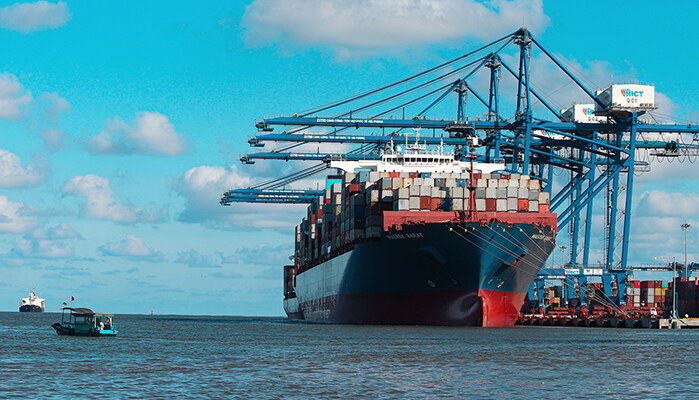
Major Seaports:
- Port of Rotterdam (Netherlands): Europe’s largest entry point for Chinese cargo.
- Hamburg (Germany): Efficient customs and inland rail links.
- Antwerp (Belgium): Ideal for FCL and consolidated shipments.
Main Airports:
- Frankfurt (Germany): Leading air cargo hub for electronics.
- Paris CDG (France): Fast processing for high-value goods.
- Amsterdam Schiphol (Netherlands): Advanced automation systems.
| Mode | Entry Hub | Clearance Type | Key Benefit |
|---|---|---|---|
| Sea | Rotterdam | Centralized | Large-scale import |
| Air | Frankfurt | Rapid release | Advanced customs tech |
| Rail | Duisburg | Efficient inland processing | China–Europe rail corridor |
8. How to Simplify Customs Clearance from China to Europe?
- Work with experienced customs brokers familiar with EU import rules.
- Classify HS codes correctly to avoid overpaying duties.
- Use digital customs filing for faster processing.
- Ensure product compliance with CE, RoHS, or REACH standards.
- Choose DDP shipping where duties and taxes are prepaid.
Long-tail keywords: customs broker China EU, DDP logistics Europe, electronic customs declaration, import compliance service, supply chain optimization.
9. What Are Common Customs Challenges and Solutions?
| Challenge | Cause | Solution |
|---|---|---|
| Delayed clearance | Missing documents | Submit all paperwork early |
| Unexpected duty costs | Wrong HS code | Verify tariff classification |
| Inspection delays | Non-compliance | Obtain CE/RoHS certificates |
| Value disputes | Under- or over-invoicing | Maintain transparency |
| Language barriers | Miscommunication | Hire bilingual freight forwarder |
Semantic keywords: customs risk management, compliance audit, tariff classification, trade documentation accuracy.
10. Air vs Sea vs Rail Freight: Which Is Best for Customs Handling?
| Criteria | Air Freight | Sea Freight | Rail Freight |
|---|---|---|---|
| Speed | Fastest | Slowest | Moderate |
| Cost | High | Low | Medium |
| Customs Handling | Quick | Complex | Balanced |
| Ideal Cargo | Electronics, urgent goods | Bulk, low-cost items | Mid-volume goods |
| Best Route | PVG–FRA | Shanghai–Rotterdam | Xi’an–Duisburg |
Conclusion: Air freight is ideal for time-sensitive shipments, sea for large cargo, and rail for balance between cost and efficiency.
Long-tail keywords: freight comparison China Europe, logistics cost analysis, multimodal transport, shipping strategies EU.
Conclusion
In summary, customs clearance China to Europe requires careful preparation, correct classification, and full compliance with EU import regulations. By working with a professional freight forwarder, you can minimize risk, ensure accurate documentation, and achieve faster delivery. Efficient customs management not only reduces costs but also strengthens your supply chain reliability. Partner with ChinaTopFreight today for seamless customs handling and stress-free global logistics.
FAQ
1. What is the EORI number and why is it important?
The EORI (Economic Operator Registration and Identification) number is required for all EU importers to process customs declarations and pay duties.
2. How are HS codes used during customs clearance?
HS codes classify goods for duty calculation and regulation. Using the wrong code can cause delays, fines, or overpayment.
3. What is the difference between DDP and DAP shipping?
In DDP (Delivered Duty Paid), the seller pays duties and VAT; in DAP, the buyer is responsible for customs and taxes.
4. Can I prepay customs duties when shipping from China to Europe?
Yes. DDP services allow you to prepay all duties and VAT to simplify customs clearance and ensure hassle-free delivery.
5. What happens if my goods fail customs inspection?
Non-compliant or misdeclared goods may be held, returned, or fined. Always ensure proper labeling and accurate documentation.