

Importing goods between China and Europe continues to expand rapidly, which is why many importers now prioritize smooth and accurate customs clearance China to Germany to avoid delays and penalties. However, because German customs follow strict EU-wide regulations, importers must manage documentation, HS codes, duties, compliance reports, and inspection procedures with precision. With the right knowledge and support, companies can achieve fast, cost-effective, and compliant clearance every time.

1. What Is Customs Clearance China to Germany and Why Is It So Important?
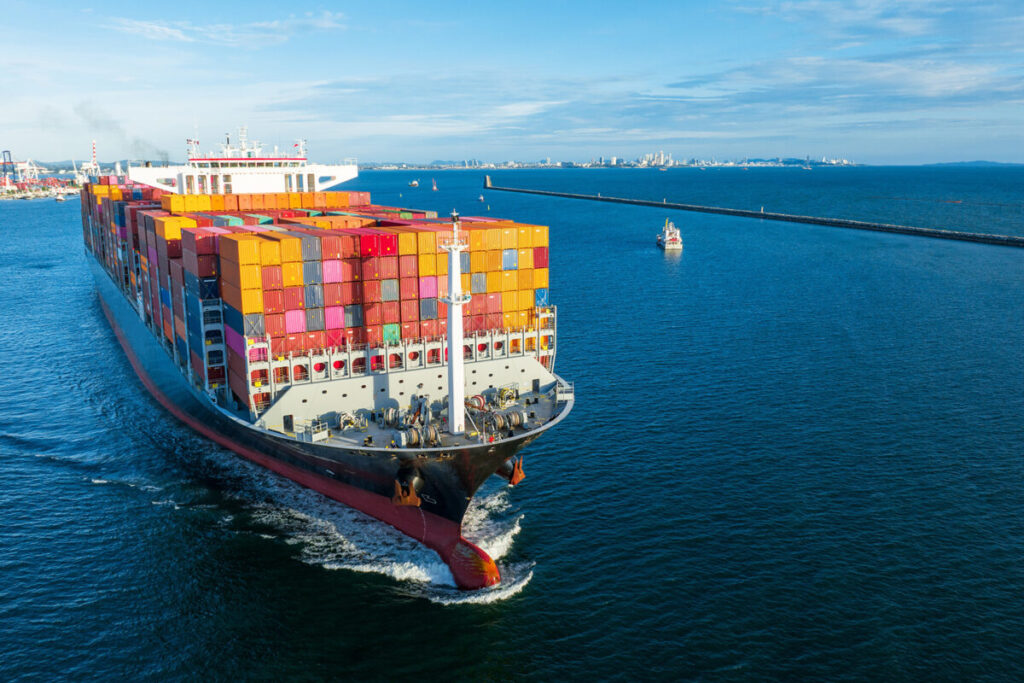
Customs clearance China to Germany refers to the legal and administrative process of declaring goods entering Germany from China. Moreover, it includes tax calculation, product compliance verification, customs inspections, and documentation review. Because Germany is one of Europe’s strictest markets, ensuring correct paperwork and compliance is essential for avoiding shipment blocks and costly delays.
2. How Does the Customs Clearance Process Work Between China and Germany?
The clearance workflow typically includes export documentation in China, carrier transport, import declaration in Germany, compliance checks, tax assessment, and release of goods. Additionally, customs brokers manage digital filings through Germany’s ATLAS system, ensuring all data is accurately registered. Therefore, the end-to-end process requires proper coordination between suppliers, freight forwarders, and importers.
3. What Are the Main Shipping Methods Requiring Customs Clearance China to Germany?
Different modes of transportation require similar clearance, but cost, timing, and risk differ. Below is a comparison of common options.
| Mode | Avg. Cost | Transit Time | Pros | Cons |
|---|---|---|---|---|
| Sea Freight FCL | Low | 28–40 days | Cost-effective, stable | Long transit |
| Sea Freight LCL | Medium | 32–45 days | Affordable for small loads | More handling |
| Air Freight | Higher | 6–10 days | Fast and reliable | Expensive |
| Rail Freight | Medium | 15–22 days | Balanced speed/cost | Limited routes |
| Express Courier | Highest | 4–7 days | Door-to-door | Higher cost |
Because Germany is centrally located, cleared goods can easily reach France, Belgium, Netherlands, Poland, and other EU countries.
4. How Much Does Customs Clearance Cost for China-to-Germany Imports?
While costs vary by cargo type, duty rate, and inspection needs, below is a helpful reference range.
| Item | Estimated Cost (EUR) |
|---|---|
| Import Declaration | €45–€120 |
| Inspection Fee | €30–€80 |
| Customs Duty | 0–12% (HS-dependent) |
| VAT (Germany) | 19% standard, 7% reduced |
| Document Fee | €20–€60 |
| Special Goods Fee | €30–€100 |
Additionally, under-declared values or missing certificates may trigger penalties or full cargo inspection.
Are you ready to book?
Access live instant freight quotes
5. What Documents Are Required for Customs Clearance China to Germany?
Germany enforces strict documentation rules to ensure compliance with EU standards.
| Document | Required For | Notes |
|---|---|---|
| Commercial Invoice | All goods | Must include HS code, value |
| Packing List | All shipments | Details each carton |
| Bill of Lading/Airway Bill | Sea/Air | Primary transport document |
| Certificate of Origin | Some goods | May affect duty |
| CE/RoHS Certificates | Electronics/toys | Required for EU compliance |
| MSDS | DG items | Mandatory |
| EORI Number | Importers | Needed for all EU entries |
| Product Test Reports | Electronics/toys | EN/CE compliance |
Moreover, incorrect HS codes are the most common cause of German customs delays.
6. How Long Does Customs Clearance China to Germany Take?
Transit time varies by shipping mode, while clearance depends on compliance and inspection risk.
| Origin | Mode | Transit Time |
|---|---|---|
| Shanghai → Hamburg | Sea FCL | 28–40 days |
| Ningbo → Bremerhaven | Sea LCL | 32–45 days |
| Shenzhen → Frankfurt | Air | 6–10 days |
| Guangzhou → Leipzig | Express | 4–7 days |
| Xi’an → Duisburg | Rail | 15–22 days |
Clearance time is:
- Standard clearance: 1–3 days
- Exam or inspection: 3–7 days
- High-risk goods: Up to 10 days
7. Why Do German Customs Perform Inspections on Certain Shipments?
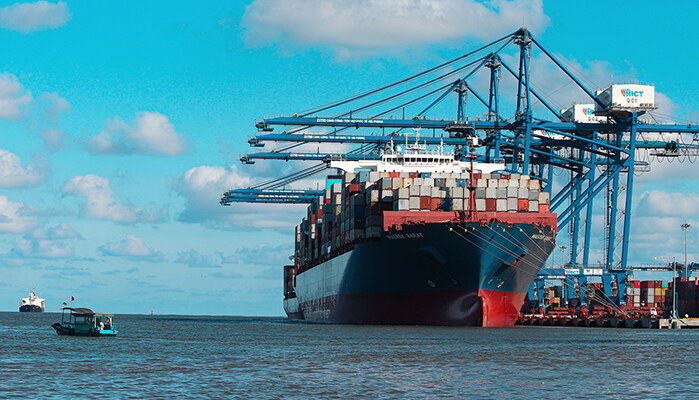
Inspections occur due to compliance concerns, valuation issues, missing documents, or random checks. Additionally, Germany enforces strict regulations for chemicals, electronics, toys, medical devices, and lithium batteries. Therefore, preparing complete and accurate documents significantly reduces inspection probability.
8. How to Avoid Delays During Customs Clearance China to Germany?
Importers can reduce risk by:
- Providing accurate HS codes
- Preparing invoices with clear descriptions
- Ensuring CE/RoHS certification
- Avoiding undervaluation
- Using correct packaging labels
- Pre-submitting documents for review
Moreover, expert customs brokers can identify errors before filing, protecting your supply chain from delays.
9. What Are the Pros and Cons of Using Sea, Air, or Rail Freight for Germany Imports?
Below is a quick comparison.
| Mode | Pros | Cons |
|---|---|---|
| Sea Freight | Low cost, good for bulk | Slow shipping |
| Air Freight | Fastest delivery | Higher freight rate |
| Rail Freight | Good balance | Limited capacity |
Because Germany has strong rail links with China, rail shipping continues to rise in popularity for mid-volume cargo.
10. How to Choose the Right Customs Broker for China-to-Germany Cargo?
A skilled broker should provide:
- Accurate ATLAS digital declarations
- HS code consultation
- Duty & VAT advisory
- Document validation
- Inspection coordination
- Post-clearance support
Additionally, brokers with multilingual teams simplify communication with Chinese suppliers.
Conclusion
Efficient customs clearance China to Germany is essential for ensuring compliant, cost-effective, and timely imports into one of Europe’s strictest markets. Because German customs enforce rigorous documentation and safety rules, importers must prepare certificates, invoices, HS codes, and valuation data carefully. By partnering with knowledgeable customs experts and planning each shipment strategically, businesses can minimize clearance delays, reduce unnecessary costs, and maintain a reliable supply chain throughout the EU.
FAQ
1. Do German customs allow pre-clearance before goods arrive?
Yes. Pre-clearance is possible for many shipments, allowing customs to process documents before arrival, which reduces delays during peak seasons.
2. Can I import goods into Germany without an EORI number?
No. An EORI number is mandatory for all EU imports. Without it, customs cannot process your entry or release the shipment.
3. Why are CE certificates important for China-to-Germany imports?
CE certificates prove product compliance with EU safety standards, especially for electronics, toys, and machines. Missing certificates often trigger cargo inspections.
4. What happens if my declared value is too low?
Undervaluation leads to severe penalties, reassessment of duties, and possible detention of goods. Customs may also require additional documentation.
5. Can a customs broker handle VAT deferment for German imports?
Yes. Many brokers assist with VAT deferment or postponed accounting, which improves cash flow for importers operating within the EU.