

Transporting hazardous materials safely requires specialized expertise. Dangerous goods shipping demands compliance with strict protocols—because failure to follow them can lead to fines, delays, and risks to safety.
In this guide, we’ll walk through vital aspects of dangerous goods shipping: transportation modes, packaging and documentation requirements, and how to choose a logistics partner with the right experience.
1. What Is Dangerous Goods Shipping?
Dangerous goods shipping refers to transporting substances or items that pose potential risks to people, property, or the environment—such as chemicals, aerosols, batteries, corrosives, flammables, or medical samples. These goods fall under UN classification into nine hazard classes
- Commonly used international regulations include:
- UN Model Regulations, which form the basis of global transport rules
- IMDG Code for sea transport
- IATA Dangerous Goods Regulations for air freight
- ADR for road transport in Europe


📌2. Transport Modalities: How Dangerous Goods Shipping Works
Choosing the right China shipping container type ensures product safety and compliance. Here are the main options:
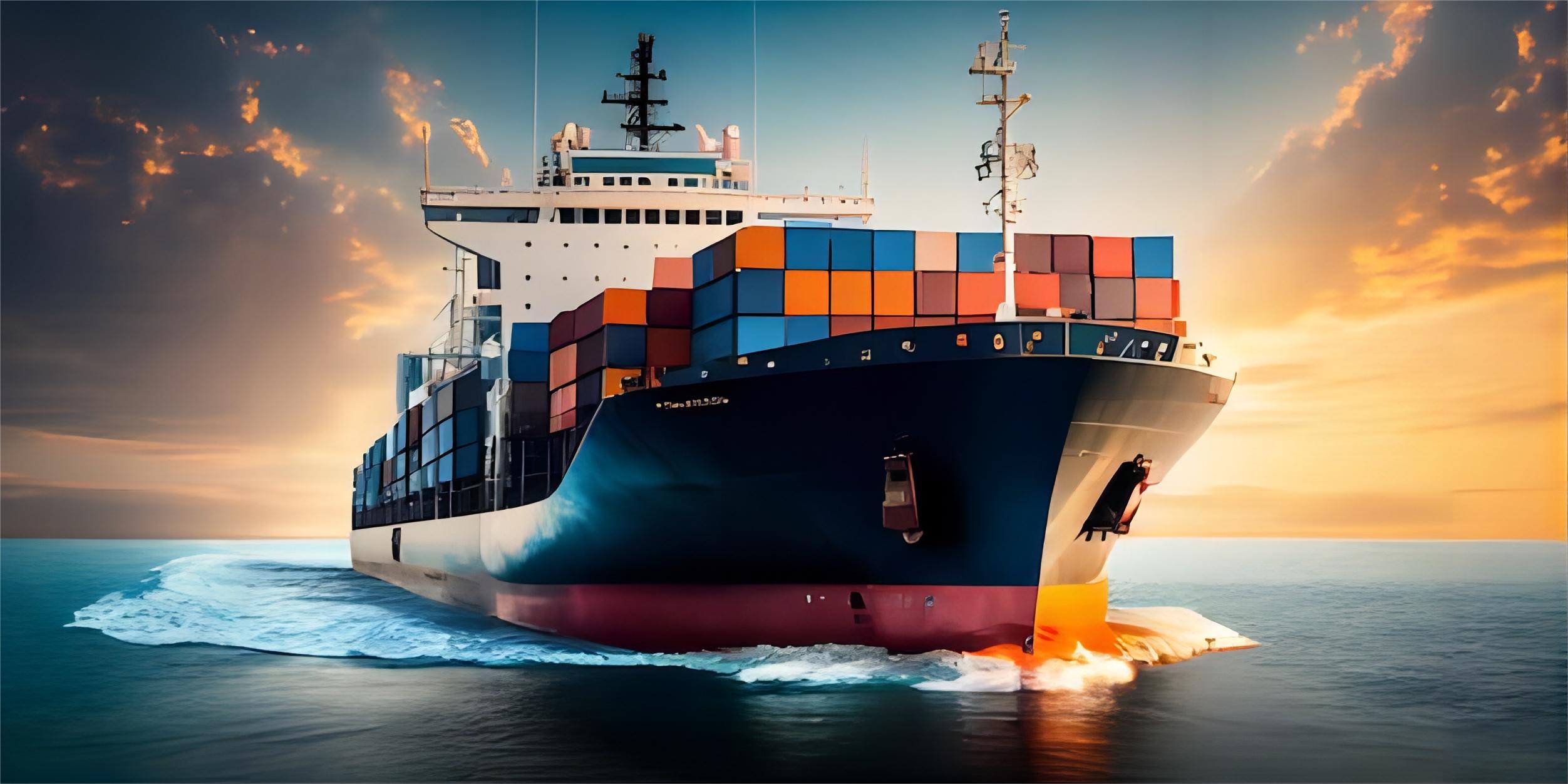
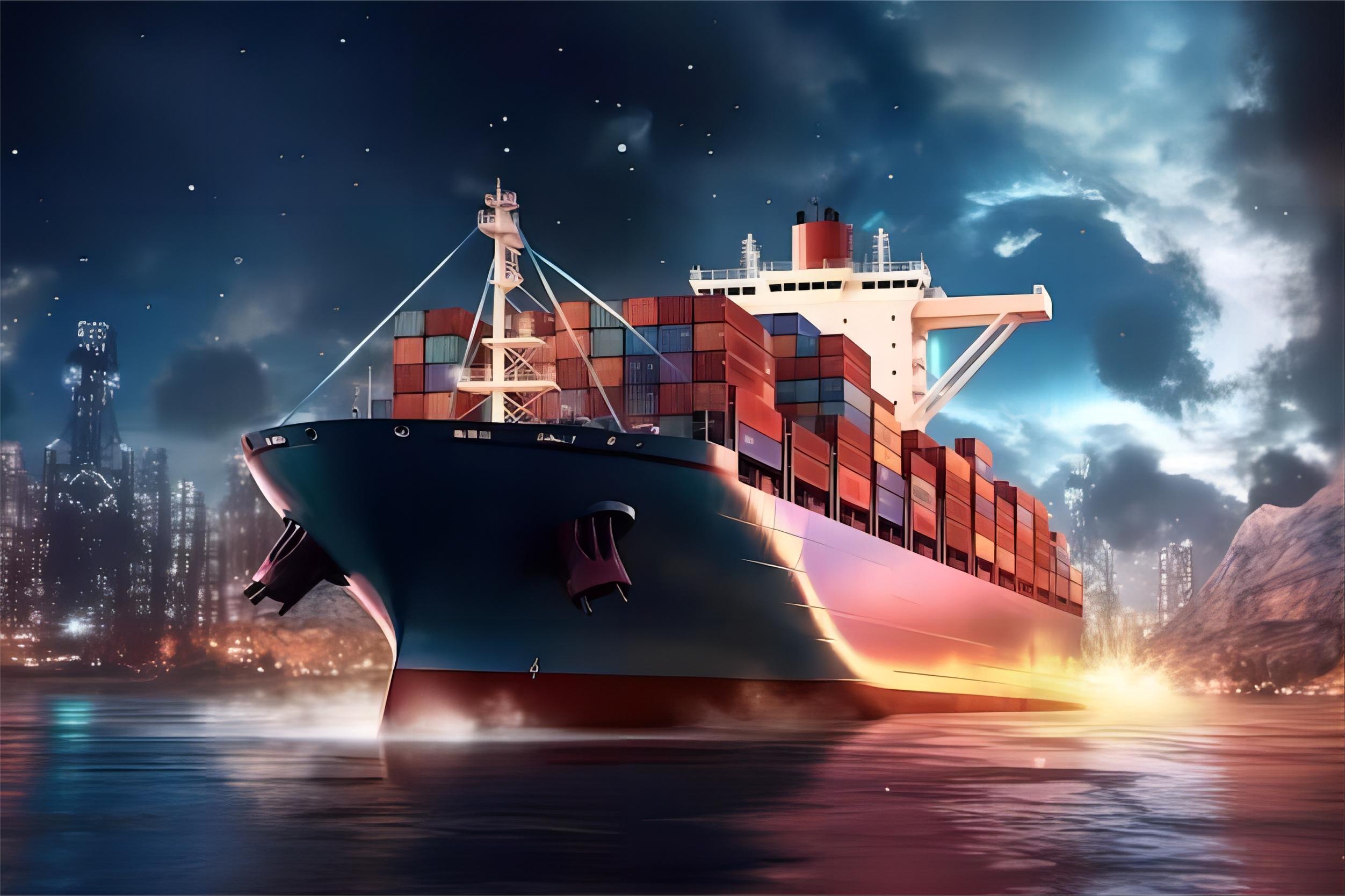
Ocean Freight:Cargo ships must follow the IMDG Code, including classification, packaging, labeling, and segregation procedures. This mode is cost-effective but requires specialized handling. Transit time depends on the route.
Air Freight: transport of dangerous goods is stringently regulated. Shippers must use UN-tested packaging, labels, and shipper declarations. Only trained and certified personnel may handle such goods per IATA and DOT rules
Rail Freight:Air transport of dangerous goods is stringently regulated. Shippers must use UN-tested packaging, labels, and shipper declarations. Only trained and certified personnel may handle such goods per IATA and DOT rules
3. Dangerous Goods Shipping: Packaging, Marking & Documentation Essentials
Accurate dangerous goods shipping requires:
- UN‑spec packaging rated for your hazard class (I, II, or III)
- Clear hazard labels and shipper’s declarations
- A current Material Safety Data Sheet (SDS) or MSDS
- Mode-specific documents: Bill of Lading or Air Waybill, plus declarations under DGD (Dangerous Goods Declaration)
Failure to comply can lead to rejected shipments, delays, or even penalties.

📌4. Why Transport Planning Matters
At least 30% of safe delivery depends on choosing and executing the right transport strategy:
- Use air for high urgency or perilous substances (e.g. lithium batteries or aerosols)
- Use ocean when budgets or norms permit—just ensure IMDG packaging standards are met
- For ground or intermodal delivery, verify ADR (or local road code) compliance
- Always include real-time tracking and contingency planning for compliance holds
5. Cost Drivers in Dangerous Goods Shipping
Key factors influencing hazardous shipping rates include:
- Hazard class and required packaging level
- Transport mode and speed
- Training and certification fees for staff
- Special handling or emergency response capabilities
- Documentation and insurance coverage levels
Because dangerous goods shipping carries higher risk, involving trained providers ensures value and compliance.

6. Request a Quote
China Top Freight offers:
- ✅ Origin and Destination Countries
- ✅ Cargo Type and Volume
- ✅ Preferred Transport Method (Air, Sea, Rail, Road)
- ✅ Delivery Timeline
- ✅ Special Handling Requirements (if any)
7. FAQ
Q1: How long does a typical sea-based shipment take?
Yes, if properly classified, packaged, and transported under IATA or IMDG rules.
Q2: What documentation is mandatory?
Dangerous Goods Declaration (DGD), SDS, and airway or shipping documents.
Q3: Are special labels required?
Absolutely—hazard class, UN number, and handling instructions must be visible.
Q4: Do I need trained staff to ship these products?
Yes. Regulations require responsible employees to be certified under IATA or DOT provisions.
Q5: How can I minimize delays?
Work with expert partners who understand classification, documentation, and carrier acceptance rules.