

Demurrage Prevention for FCL Shipping from China to Spain
Full Container Load (FCL) shipping from China to Spain is a vital artery for global trade, yet it often comes with the hidden risk of demurrage and detention charges. Understanding and mitigating these costs is crucial for maintaining profitability and efficient supply chain operations. This comprehensive guide from China Top Freight explores effective strategies for demurrage prevention for FCL shipping from China to Spain, helping importers navigate complexities and reduce financial penalties.

What Are Demurrage and Detention Charges?
Demurrage and detention are distinct but related fees imposed by shipping lines. Demurrage refers to charges incurred when imported containers remain at the port terminal beyond the allocated free time. Essentially, this fee compensates the port for using its space.
Conversely, detention charges apply when the consignee holds the shipping line’s container outside the terminal beyond the free time. This typically occurs during unloading at the warehouse or facility. Both charges can significantly inflate overall sea freight costs if not managed carefully.
Why is Demurrage Prevention Critical for FCL Shipping from China to Spain?
The trade route between China and Spain involves long transit times and often complex logistical chains. Full Container Load (FCL) shipments, while cost-effective for larger volumes, are particularly susceptible to demurrage and detention due to their size and the potential for delays.
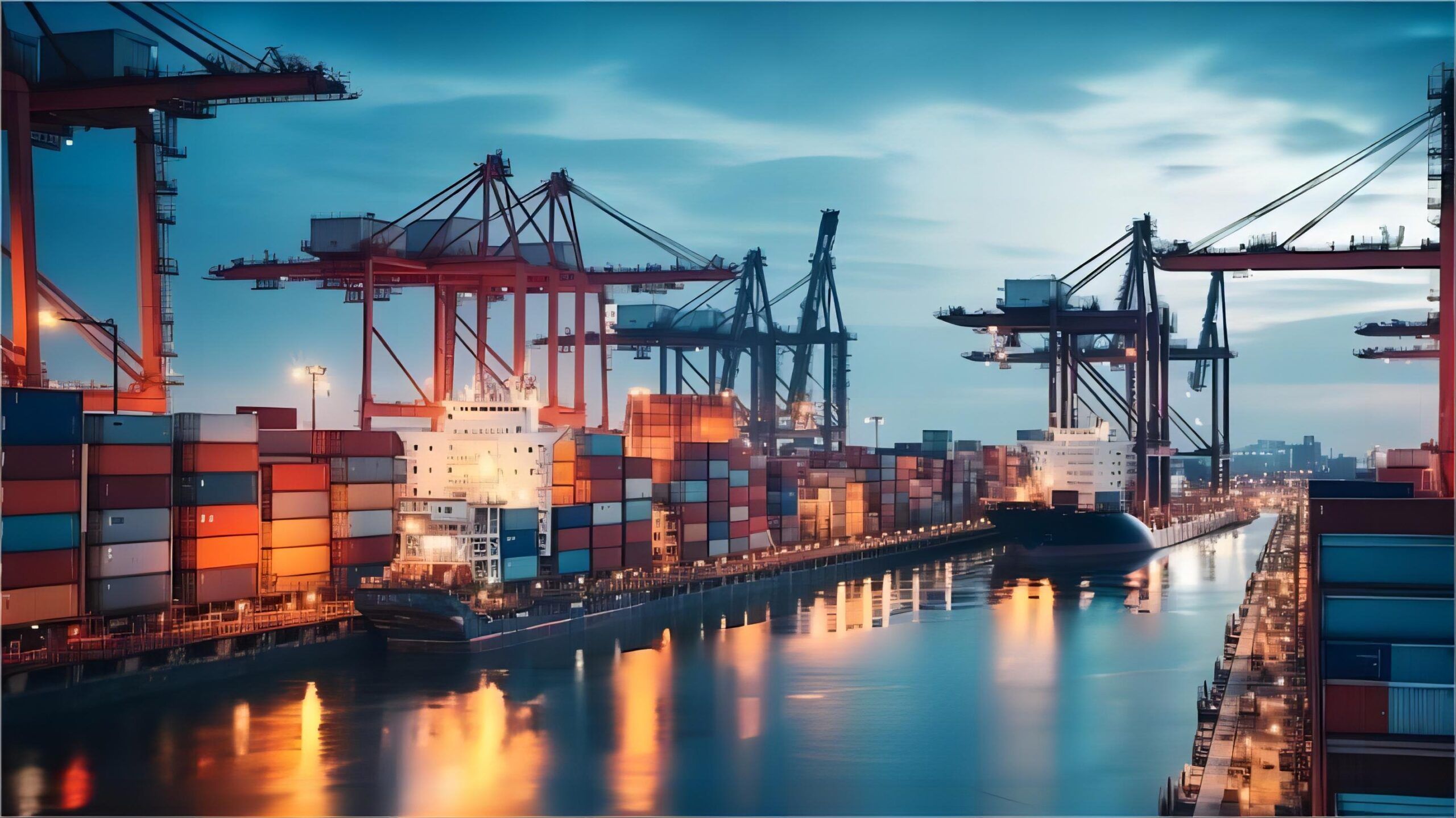
Preventing these charges directly impacts your bottom line and supply chain efficiency. Unforeseen costs can erode profit margins, disrupt delivery schedules, and strain business relationships. Therefore, proactive demurrage prevention for FCL shipping from China to Spain is an essential aspect of successful import/export operations.
Key Causes of Demurrage and Detention in FCL Shipments
Several factors can lead to containers accumulating demurrage and detention fees. Identifying these common pitfalls is the first step towards implementing effective prevention strategies. Understanding the root causes helps in developing robust mitigation plans.
For instance, unexpected events or insufficient planning often contribute significantly to these avoidable costs. Addressing each potential issue systematically can optimize your shipping process.
Port Congestion and Vessel Delays
Port congestion remains a persistent challenge in global shipping. Busy ports like Valencia, Barcelona, and Algeciras in Spain can experience bottlenecks, leading to delays in vessel docking and container offloading. Consequently, this reduces the free time available for pickup.
Moreover, unforeseen vessel delays, such as those caused by adverse weather or mechanical issues, can push back arrival times. This directly impacts the window for cargo clearance, potentially triggering demurrage charges before the container even leaves the quay.
Customs Clearance Delays
Navigating Spanish customs can be intricate, and any misstep can result in significant delays. Incomplete or inaccurate documentation is a primary culprit, causing holds and additional scrutiny. This can be particularly problematic for new importers.
Furthermore, changes in import regulations or unexpected inspections by customs authorities can prolong the clearance process. Engaging experienced customs brokerage services is crucial to avoid these costly holdups and ensure compliance.
Documentation Errors and Missing Information
Accurate and complete documentation is the backbone of smooth international shipping. Errors on the Bill of Lading, commercial invoice, packing list, or certificates of origin can halt a shipment indefinitely. Even minor discrepancies can lead to major delays.
Additionally, missing permits or licenses required for specific goods entering Spain will inevitably cause customs clearance issues. Diligent preparation and verification of all paperwork are paramount for timely release of your FCL cargo.
Inefficient Inland Transportation and Warehouse Management
Once a container is cleared from the port, the next challenge is efficient inland transportation to the final destination. Lack of available trucks, driver shortages, or inefficient scheduling can lead to delays in picking up the container. This often results in detention.
Poor warehouse management or insufficient labor at the receiving facility also contribute to extended container usage. Unloading delays mean the container is not returned to the carrier within the free time, thereby incurring detention fees. Optimizing your door-to-door shipping process is key here.
Strategies for Effective Demurrage Prevention
Implementing a multi-faceted approach is essential for successful demurrage prevention for FCL shipping from China to Spain. Proactive planning, clear communication, and efficient execution across the entire supply chain are vital. Each strategy plays a crucial role in minimizing risks and costs.
By focusing on these areas, businesses can significantly reduce their exposure to demurrage and detention charges. This ensures a smoother, more predictable, and ultimately more profitable import process.

Proactive Planning and Communication
Early and thorough planning is arguably the most impactful strategy. This includes confirming realistic transit times, accounting for potential delays, and scheduling drayage and unloading well in advance. Consider all variables from origin to destination.
Moreover, maintaining open and continuous communication with all parties involved – suppliers, freight forwarders, carriers, customs brokers, and consignees – is critical. Sharing real-time updates helps everyone react quickly to changes and prevent surprises that lead to delays.
Choosing the Right Carrier and Route
Selecting a reliable shipping carrier with a strong track record for on-time performance is paramount. Some carriers offer more generous free time at destination ports, which can provide a valuable buffer. Always inquire about these terms upfront.
Furthermore, evaluate different routes and services. Direct routes, though sometimes slightly more expensive, can significantly reduce transit times and the likelihood of transshipment delays. This can be a wise investment for time-sensitive cargo.
Streamlining Documentation and Customs Processes
Ensure all necessary import documentation is prepared accurately and submitted promptly. Utilize digital platforms for document management to minimize errors and expedite processing. Pre-filing customs declarations where possible can save valuable time.
Working with an experienced customs broker in Spain can dramatically reduce clearance times. They possess the expertise to navigate complex regulations and anticipate potential issues, thereby preventing costly holds. This is a critical investment for efficient customs brokerage services.
Optimizing Inland Logistics and Warehouse Management
Efficient inland transportation is crucial for returning containers within the free time. Pre-booking drayage services and ensuring adequate truck availability upon container arrival are key steps. Coordinate closely with your transport providers.
At the warehouse, optimize unloading procedures and ensure sufficient labor and equipment are ready. Rapid offloading and immediate container return are essential for avoiding detention charges. Consider cross-docking options if applicable to further streamline operations.
Leveraging Technology and Data
Utilize real-time tracking systems to monitor your FCL shipments from China to Spain. This visibility allows for early detection of potential delays and proactive problem-solving. Data analytics can also identify recurring bottlenecks.
Furthermore, technology can automate document generation and submission, reducing manual errors. Predictive analytics can forecast port congestion or peak seasons, enabling better planning and risk mitigation. This enhances overall supply chain resilience.
How Does FCL Sea Freight Compare to Other Shipping Options?
While FCL sea freight is often the go-to for large volumes, understanding its position relative to other shipping methods is vital. Each mode offers different trade-offs in terms of cost, speed, and capacity. This comparison helps in making informed decisions for your specific needs.
Considering various factors like cargo type, urgency, and budget is crucial. For shipments from China to Spain, the primary alternatives are air freight and different configurations of sea freight.
| Shipping Method | Cost Range (40HQ) | Transit Time (China-Spain) | Best For | Limitations |
|---|---|---|---|---|
| FCL Sea Freight (Direct) | $3,000-4,200 | 28-32 days | Large, non-urgent, heavy goods | Slower than air, potential port delays |
| FCL Sea Freight (Transshipment) | $2,800-3,800 | 32-38 days | Cost-sensitive, large volume | Increased risk of delays at transshipment ports |
| LCL Sea Freight | $50-80/CBM | 35-45 days | Small volumes (<15 CBM) | More handling, longer overall transit, potential for LCL-specific delays |
| Air Freight | $15,000-25,000 (estimated for equivalent volume) | 5-7 days | Urgent, high-value, perishable goods | Very high cost, limited capacity for very heavy/bulky items |
Sea Freight vs. Air Freight
Sea freight is significantly more cost-effective for heavy and bulky goods. However, its transit times are considerably longer, typically ranging from 28 to 35 days for FCL from China to Spain. This makes it suitable for non-urgent inventory.
Conversely, air freight offers speed, with transit times of 5-7 days. While much faster, it comes at a substantially higher cost, making it ideal for high-value, time-sensitive, or perishable goods. It is generally not chosen for FCL volume.
FCL vs. LCL (Less than Container Load)
FCL is generally more economical for shipments exceeding 15-20 CBM, offering dedicated container space and often faster port-to-port transit. It also reduces handling, minimizing damage risk. Demurrage prevention for FCL shipping from China to Spain relies on efficient management.
LCL is suitable for smaller volumes (under 15 CBM) where you share container space with other shippers. While more flexible for small batches, LCL can involve more handling and potentially longer transit times due to consolidation and deconsolidation processes, sometimes leading to unexpected delays.
Direct vs. Transshipment Routes
Direct routes from China to Spain offer the fastest sea transit and reduce the risk of delays at intermediate ports. They typically cost 10-15% more but can save 5-7 days compared to transshipment options. This can be crucial for tight schedules.
Transshipment routes, often via hubs like Singapore or Port Klang, can be cheaper but introduce additional handling and potential for delays. These delays can easily trigger demurrage if not factored into your planning. Evaluate the trade-off between cost savings and potential time risks.
Which Option Should You Choose? (Decision Framework)
**Budget Priority:** If cost is the primary concern and transit time is flexible, FCL sea freight via a transshipment route is often the most economical choice. Consider optimizing your sea freight strategy.
**Speed Priority:** For urgent shipments, air freight is the undisputed winner, despite its higher cost. For moderately urgent, large shipments, a direct FCL sea freight service is preferable to minimize transit time.
**Cargo Type:** Fragile, high-value, or time-sensitive goods benefit from air freight or direct FCL routes. Bulky, non-perishable items are best suited for standard FCL sea freight.
**Volume Thresholds:** For shipments under 15 CBM, LCL might be more cost-effective. However, for anything above this, FCL typically offers better value and more control, simplifying demurrage prevention for FCL shipping from China to Spain.
Real-World Case Studies in Demurrage Prevention
Examining actual scenarios highlights the importance of strategic planning and execution in avoiding costly charges. These case studies illustrate how different approaches lead to successful demurrage prevention for FCL shipping from China to Spain. They provide practical insights into effective logistics management.
Based on Q3 2024 market rates and typical operational challenges, these examples showcase the tangible benefits of a well-managed shipping process. They underscore the value of proactive measures in mitigating financial risks.
Case Study 1: Timely Clearance in Valencia
| Detail | Description |
|---|---|
| Route | Shanghai, China -> Valencia, Spain |
| Cargo | Electronics components, 60 CBM, 15,000 kg |
| Container | 2 x 40HQ |
| Shipping Details | Carrier: COSCO, Port of Loading: Shanghai, Port of Discharge: Valencia, Route Type: Direct service |
| Cost Breakdown | Ocean Freight: $7,500 (2x40HQ), Origin Charges: $600, Destination Charges: $700, Customs & Duties (estimated): $1,800, Total Landed Cost: $10,600 |
| Timeline | Booking to Loading: 5 days, Sea Transit: 29 days, Customs Clearance: 2 days (pre-cleared), Total Door-to-Door: 36 days |
| Key Insight | Proactive submission of customs documents and pre-clearance arrangements with a local customs broker ensured the containers were released within 48 hours of arrival, completely avoiding demurrage. This saved an estimated $600 in potential fees. Typical rates as of early 2025. |
Case Study 2: Proactive Documentation for Barcelona
| Detail | Description |
|---|---|
| Route | Ningbo, China -> Barcelona, Spain |
| Cargo | Furniture components, 55 CBM, 12,000 kg |
| Container | 1 x 40HQ |
| Shipping Details | Carrier: MSC, Port of Loading: Ningbo, Port of Discharge: Barcelona, Route Type: Transshipment via Singapore |
| Cost Breakdown | Ocean Freight: $3,200, Origin Charges: $350, Destination Charges: $400, Customs & Duties (estimated): $1,000, Total Landed Cost: $4,950 |
| Timeline | Booking to Loading: 7 days, Sea Transit: 34 days, Customs Clearance: 3 days, Total Door-to-Door: 45 days |
| Key Insight | Despite a transshipment route, strict adherence to document deadlines and daily communication with the forwarder prevented any documentation-related delays. The client also pre-arranged drayage, ensuring immediate pickup and return of the container, thereby avoiding detention. This strategy saved potential costs of $450. Market data suggests this approach is highly effective. |
Case Study 3: Avoiding Delays in Algeciras
| Detail | Description |
|---|---|
| Route | Shenzhen, China -> Algeciras, Spain |
| Cargo | Textiles and apparel, 65 CBM, 10,000 kg |
| Container | 1 x 40HQ |
| Shipping Details | Carrier: Maersk, Port of Loading: Shenzhen, Port of Discharge: Algeciras, Route Type: Direct service |
| Cost Breakdown | Ocean Freight: $3,800, Origin Charges: $400, Destination Charges: $450, Customs & Duties (estimated): $1,200, Total Landed Cost: $5,850 |
| Timeline | Booking to Loading: 6 days, Sea Transit: 30 days, Customs Clearance: 2 days, Total Door-to-Door: 39 days |
| Key Insight | Anticipating Q4 peak season rates, the client booked early and opted for a direct service to minimize transit time. The freight forwarder provided real-time tracking, allowing the consignee to prepare for an earlier-than-expected arrival. This agility prevented demurrage during a period of high port activity, saving considerable expense. According to industry benchmarks, early booking during peak season is key. |
Market Insights and Current Shipping Trends
The global shipping landscape is constantly evolving, with several factors influencing freight rates and transit times. Understanding these trends is crucial for effective demurrage prevention for FCL shipping from China to Spain. Current market conditions demand adaptability and foresight.
As of Q1 2025, freight rates from China to Europe have stabilized somewhat after the 2024 Red Sea disruptions, though volatility remains. These geopolitical events can cause rerouting, increasing transit times and fuel costs, thereby potentially impacting free time availability at destination ports.
Moreover, seasonal patterns significantly affect shipping costs and port congestion. Rates typically increase 15-25% during the August-October peak season leading up to the holiday retail period. Planning shipments outside these windows or booking well in advance can help mitigate higher costs and potential delays.
Industry average for this route indicates that planning for slightly longer transit times than advertised is prudent. This buffer can absorb minor delays without incurring demurrage. Always factor in potential disruptions, from port strikes to equipment shortages, for robust supply chain planning.
Partnering with a Reliable Freight Forwarder
Collaborating with an experienced and reputable freight forwarder is perhaps the most effective strategy for demurrage prevention. A good forwarder acts as your eyes and ears, providing expertise and proactive management throughout the shipping process. They are indispensable for navigating complexities.
They can negotiate better free time with carriers, offer real-time tracking, and have established relationships with customs brokers and inland transport providers. This comprehensive support minimizes risks and ensures a smoother, more cost-efficient journey for your FCL shipments from China to Spain.
Achieving Seamless FCL Shipping from China to Spain
Effectively managing FCL shipping from China to Spain requires diligent planning, strong communication, and a deep understanding of potential pitfalls. By focusing on proactive strategies for demurrage prevention, businesses can significantly reduce their operational costs and enhance supply chain reliability.
From streamlining documentation to optimizing inland logistics and leveraging market insights, every step contributes to a more efficient process. Partnering with a trusted freight forwarder provides the expertise and support needed to navigate challenges and ensure your cargo arrives on time and within budget. Prioritizing demurrage prevention for FCL shipping from China to Spain is an investment in your business’s financial health and operational success.
Need a tailored shipping solution?
Ready to optimize your FCL shipments and eliminate costly demurrage charges? Contact China Top Freight today for a personalized consultation and a competitive quote. Our experts are here to help you achieve seamless and efficient logistics from China to Spain.