

Door to Door Shipping China Tracking: Your Complete 2026 Logistics Guide
Navigating the complexities of international trade requires a robust strategy for monitoring your cargo from the factory floor to the final destination. Many importers face significant anxiety regarding the location of their goods, yet professional door to door shipping china tracking systems now offer unprecedented transparency. Consequently, businesses can manage inventory levels with greater precision and provide accurate delivery windows to their customers. This comprehensive guide will explore the mechanisms of modern tracking, compare various transportation modes, and provide actionable insights for optimizing your global logistics operations in 2026.
How Does Door to Door Shipping China Tracking Work in 2026?
Reliable tracking begins the moment your supplier hands over the cargo to the freight forwarder at the point of origin. Modern logistics providers utilize integrated software platforms that consolidate data from carriers, port authorities, and local delivery fleets into a single interface. Therefore, you receive a unique tracking number that serves as a digital passport for your shipment throughout its entire journey.
Technological advancements have introduced Internet of Things (IoT) sensors that provide more than just location data. Indeed, high-value shipments often include sensors that monitor temperature, humidity, and even shock impact during transit. These innovations ensure that the integrity of your products is maintained while allowing for proactive intervention if a delay occurs at a major transshipment hub.
Visibility is further enhanced through automated status updates sent via email or mobile applications. When the cargo clears door to door milestones, such as departing the Port of Shanghai or passing through customs, the system triggers real-time notifications. Consequently, supply chain managers can adjust their downstream operations without needing to manually check multiple carrier websites.
Why is Real-Time Visibility Critical for Your Supply Chain?
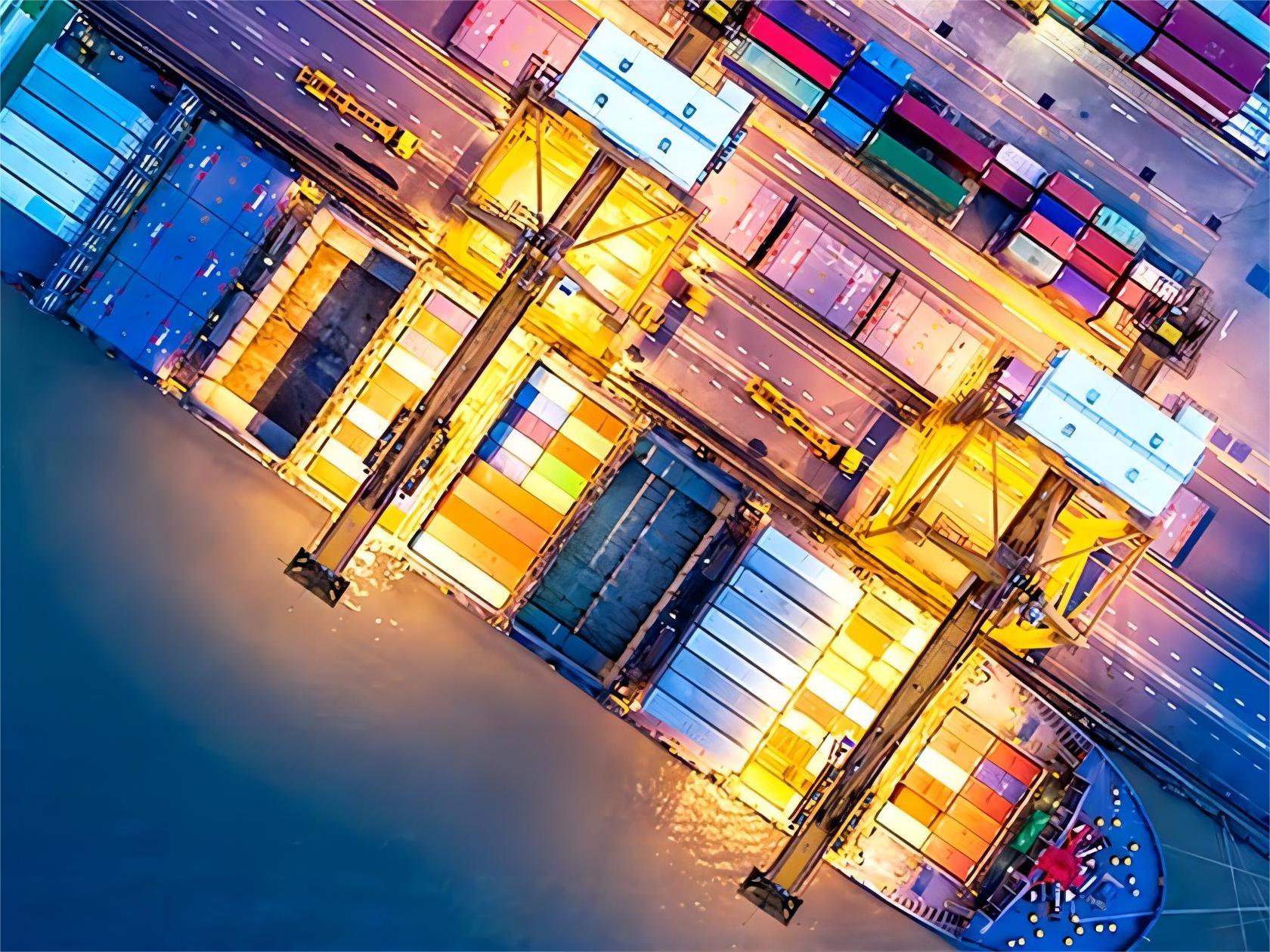
Maintaining a consistent delivery schedule is essential for preserving customer trust and avoiding stockouts in a competitive market. Without accurate tracking data, businesses often resort to carrying excess safety stock, which ties up valuable capital and increases warehousing expenses. Moreover, real-time visibility allows you to identify bottlenecks in the supply chain before they escalate into costly disruptions.
Effective tracking also facilitates better communication between stakeholders, including suppliers, freight forwarders, and end consumers. For instance, if a vessel is delayed due to weather conditions in the South China Sea, you can immediately inform your warehouse team to reschedule labor requirements. This level of agility is a hallmark of successful import-export businesses operating in the current global economy.
Data gathered from tracking systems provides valuable insights for long-term strategic planning. By analyzing historical transit times and carrier performance, you can identify the most reliable routes and adjust your procurement cycles accordingly. Indeed, the transition from reactive to proactive logistics management is only possible through the rigorous application of tracking technology.
How Does Door to Door Shipping Compare to Other Shipping Options?
Choosing the right logistics model involves balancing speed, cost, and convenience based on your specific cargo requirements. While Port-to-Port shipping may offer lower upfront freight rates, it often requires the importer to manage multiple local transport legs and customs entries independently. On the other hand, door-to-door services provide a seamless experience by handling every aspect of the journey from the manufacturer to your warehouse.
Comparing different transportation modes is equally important when optimizing your logistics strategy. For example, sea freight remains the most economical choice for large volumes, although it features the longest transit times. Conversely, air freight offers rapid delivery for urgent or high-value items but comes with significantly higher shipping costs that can impact your profit margins.
Hybrid solutions like rail freight have gained popularity for shipments moving from China to Europe, offering a middle ground between sea and air. This method provides faster transit than the ocean while remaining more affordable than traditional air transport. However, it is important to note that rail freight is not a viable option for routes to North America or Australia due to geographical constraints.
| Shipping Method | Cost Range | Transit Time | Best For |
|---|---|---|---|
| Sea Freight (FCL) | Low to Medium | 25-45 Days | Bulk goods and large inventory |
| Air Freight | High | 3-7 Days | Urgent or perishable items |
| Rail Freight | Medium | 18-22 Days | Mid-sized shipments to Europe |
| Express Service | Very High | 2-5 Days | Small parcels and samples |
Which Option Should You Choose for Your Business?
Determining the ideal shipping method requires a clear understanding of your budget priorities and time constraints. If your primary goal is to minimize expenses and you have a flexible delivery schedule, ocean freight for full container loads (FCL) is usually the most logical choice. However, for smaller shipments under 15 CBM, less than container load (LCL) options can provide significant savings while still utilizing sea routes.
Speed priority dictates a shift toward air freight or express courier services. These methods are particularly effective for electronics, fashion items, or seasonal products that need to reach the market quickly to capitalize on current trends. Although the cost per kilogram is higher, the reduction in inventory holding costs and the ability to respond to market demand often justify the investment.
Volume thresholds also play a critical role in the decision-making process. Once your shipment exceeds a certain size, the cost-effectiveness of express services diminishes, making traditional air or sea freight more attractive. Furthermore, businesses shipping to fulfillment centers should consider specialized Amazon FBA logistics to ensure compliance with strict receiving requirements and avoid unnecessary delays.
Understanding 2026 Freight Rates and Market Trends
Market data suggests that freight rates from China have stabilized in early 2026 following the disruptions seen in previous years. Nevertheless, seasonal fluctuations remain a significant factor, with prices typically increasing by 15-25% during the peak season from August to October. Planning your shipments outside of these windows can lead to substantial cost savings and better equipment availability.
Environmental regulations are also influencing logistics trends, as carriers invest in greener technologies to reduce carbon emissions. These initiatives may lead to modest increases in fuel surcharges, but they also offer opportunities for businesses to enhance their corporate social responsibility profiles. Consequently, selecting a forwarder that prioritizes sustainable cargo handling is becoming increasingly important for modern brands.
Digitalization continues to transform the industry, with blockchain technology being integrated into tracking systems to provide immutable records of cargo movement. This innovation reduces the risk of fraud and streamlines the documentation process, leading to faster customs clearance. As these technologies become standard, the gap between traditional and tech-enabled freight forwarders will continue to widen.
| Destination | Sea Freight | Air Freight | Rail Freight |
|---|---|---|---|
| USA West Coast | 16-22 Days | 4-6 Days | N/A |
| Western Europe | 32-40 Days | 5-8 Days | 20-24 Days |
| Australia | 14-20 Days | 3-6 Days | N/A |
| Southeast Asia | 5-10 Days | 1-3 Days | 4-8 Days |
The Role of Customs Brokerage in Tracking Success
Navigating the complexities of international customs is often the most challenging aspect of door-to-door shipping. Even with the best tracking system, a shipment can be delayed for days or weeks if the documentation is incomplete or inaccurate. Therefore, partnering with a professional customs brokerage service is essential for ensuring a smooth transition through regulatory checkpoints.
Customs brokers act as intermediaries between your business and government authorities, handling the classification of goods and the payment of duties. They ensure that all necessary permits, commercial invoices, and packing lists are in order before the cargo reaches the border. Consequently, this proactive approach minimizes the risk of inspections and unexpected storage fees at the port of entry.
Accurate tracking data also helps brokers prepare for the arrival of your goods in advance. By knowing exactly when a vessel is scheduled to dock, they can submit entry filings early, often resulting in immediate release upon arrival. This synergy between tracking and customs management is a critical component of an efficient door-to-door logistics strategy.
Realistic Case Studies for China to Global Routes
Examining real-world scenarios provides practical insights into the costs and timelines associated with modern shipping. These cases reflect typical market conditions in 2026 and illustrate how different strategies impact the final delivery outcome. Please note that freight rates are subject to change based on fuel costs, carrier capacity, and seasonal demand. Contact us for a current quote tailored to your specific shipment.
Case Study 1: Electronics from Shenzhen to Los Angeles, USA. A shipment of 5 CBM of consumer electronics was sent via LCL sea freight. The cargo was loaded at the Port of Shenzhen and discharged at the Port of Los Angeles. Total ocean freight cost was $950, with origin and destination charges totaling $600. The total door-to-door transit time was 24 days, including 18 days at sea and 3 days for customs clearance.
Case Study 2: Industrial Parts from Ningbo to Hamburg, Germany via Europe rail. This shipment consisted of a 20GP container of machinery components. The rail transit took 22 days from the Xi’an terminal to Hamburg. The total landed cost, including rail freight of $2,400 and local drayage, was $3,800. This method saved 15 days compared to sea freight while costing 60% less than air transport.
Case Study 3: Retail Goods from Guangzhou to Sydney, Australia. A 40HQ container of furniture was shipped via direct sea service. The ocean freight rate was $1,850 during the Q1 off-peak season. Total door-to-door time was 19 days. The key success factor was early booking, which secured a lower rate and guaranteed space on a premium carrier with a direct route.
How to Optimize Your Shipping Strategy for 2026
Consolidating your shipments is one of the most effective ways to reduce your overall logistics spend. By grouping multiple smaller orders into a single larger shipment, you can take advantage of better freight rates and reduce the number of customs entries required. Additionally, working with a single logistics provider for all your needs simplifies the tracking process and improves accountability.
Negotiating long-term contracts with freight forwarders can provide stability in a fluctuating market. While spot rates might occasionally be lower, a contract ensures consistent pricing and priority space during peak periods. Furthermore, building a strong relationship with your logistics partner allows them to better understand your business needs and suggest tailored solutions that save time and money.
Investing in supply chain visibility software that integrates directly with your ERP system can further streamline operations. This technology allows for the automatic synchronization of tracking data with your inventory management and sales platforms. As a result, your entire organization gains access to real-time information, leading to better decision-making across all departments.
Mastering Your Logistics Future
Achieving excellence in international trade requires more than just moving goods; it demands complete control over information. By leveraging advanced door to door shipping china tracking, businesses can transform their logistics from a source of stress into a competitive advantage. Whether you are shipping via sea, air, or rail, the key to success lies in transparency and proactive management.
Summarizing the insights from this guide, it is clear that the right combination of technology, carrier selection, and customs expertise is essential. As market conditions evolve through 2026, staying informed and adaptable will ensure your cargo reaches its destination efficiently. Partnering with a dedicated freight forwarder will provide the support needed to navigate these complexities and grow your business on a global scale.
Need a tailored shipping solution?
Ready to streamline your global supply chain with precision door to door shipping china tracking? Contact China Top Freight today to receive a competitive quote and experience the benefits of real-time visibility and expert cargo handling.