

Businesses importing goods into Europe face complex customs processes, but managing duty handling China to Netherlands correctly ensures faster clearance, fewer delays, and complete compliance with EU regulations. Moreover, the Netherlands is one of Europe’s most important logistics gateways, making it a strategic entry point for importers worldwide. This guide explains shipping options, duty calculation, customs documentation, transit times, and best practices to ensure a smooth supply chain.
1. What Does Duty Handling China to Netherlands Include?
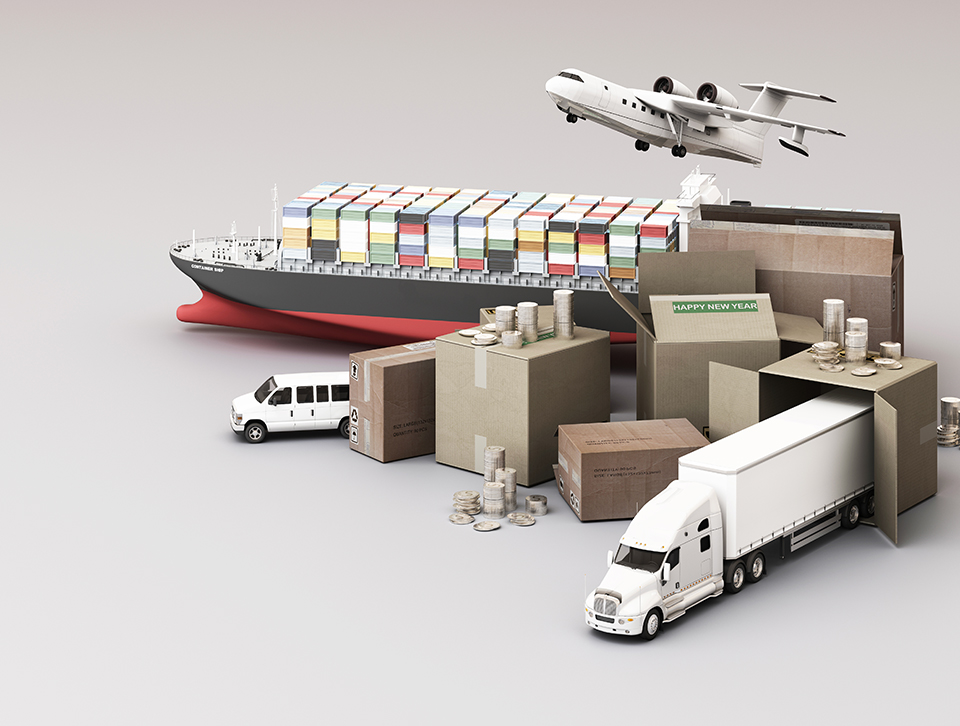
Duty handling refers to all procedures related to taxes, duties, customs clearance, and regulatory compliance. Moreover, because the Netherlands follows EU-wide customs laws, importers must ensure accuracy in HS codes, declared values, and documentation.
What Duty Handling Typically Covers
- HS code classification
- Import duty calculation
- VAT assessment (usually 21%)
- Customs declaration filing
- Certificates and licensing checks
- Physical inspection (if required)
- Release of goods into free circulation
- Optional bonded warehouse entry
Additionally, importers can use the Netherlands as a base for distributing goods across the EU with no further customs checks.
2. What Shipping Methods Can You Use When Importing to the Netherlands?
Different shipping modes affect delivery speed, import duty cost, and overall logistics performance. Therefore, importers should compare options before choosing the best solution.
Shipping Method Comparison
| Shipping Method | Average Cost | Transit Time | Best For | Pros | Cons |
|---|---|---|---|---|---|
| Air Freight | $4–$8/kg | 5–9 days | Urgent cargo | Fast, stable | Higher cost |
| Express Courier | $6–$14/kg | 3–6 days | Small urgent shipments | Fastest delivery | Most expensive |
| Sea LCL | $40–$110/CBM | 25–40 days | Small–medium loads | Cost-effective | Longer handling |
| Sea FCL | $1,900–$3,200 | 26–36 days | Bulk cargo | Lowest cost/unit | Longer overall time |
| Rail Freight (to EU) | $3–$6/kg | 15–22 days | Mid-sized loads | Balanced time/cost | Final trucking needed |
Additionally, shipping to Rotterdam or Amsterdam provides access to Europe’s largest distribution network.
3. What Are the Costs for Duty Handling China to Netherlands?
Import costs vary depending on cargo value, HS code, freight method, and customs environment. Nevertheless, the following reference table helps estimate expenses.
Estimated Import Costs
| Cost Category | Typical Range | Notes |
|---|---|---|
| Duty Rate | 0–12% | Depends on HS code |
| VAT | 21% | Calculated on CIF value + duty |
| Customs Clearance Fee | €50–€120 | Forwarder or broker cost |
| Import Service Charges | €35–€90 | Handling and filing |
| Inspection Fees | €30–€120 | Only if customs selects shipment |
| Port Charges | €50–€200 | Applies to sea freight |
| Air Handling Fee | €25–€90 | Airport cargo terminal |
Additionally, using a fiscal representative can help defer VAT payments
What are you waiting for?
Contact chinatopfreight for a fast, free quote.
Are you ready to book?
Access live instant freight quotes
4. What Is the Transit Time From China to the Netherlands?
Transit times depend on the shipping method and origin port. However, the Netherlands benefits from fast arrival handling due to highly developed logistics infrastructure.
Transit Time by Mode and Route
| Origin (China) | Destination (Netherlands) | Sea | Air | Express | Rail |
|---|---|---|---|---|---|
| Shenzhen | Rotterdam | 30–38 days | 6–9 days | 3–6 days | 18–22 days |
| Ningbo | Rotterdam | 32–40 days | 7–10 days | 3–7 days | 20–25 days |
| Shanghai | Amsterdam | 28–36 days | 5–9 days | 3–6 days | 18–23 days |
| Qingdao | Rotterdam | 33–42 days | 7–11 days | 3–8 days | 20–26 days |
Additionally, customs clearance in the Netherlands is faster than many EU countries.
5. What Documents Are Required for Duty Handling China to Netherlands?
Accurate documents are essential to avoid customs delays, duty disputes, and inspection penalties.
Customs Documents Checklist
| Document | Purpose | Required For |
|---|---|---|
| Commercial Invoice | Declares cargo value & buyer info | All shipments |
| Packing List | Carton and weight details | All shipments |
| Bill of Lading / AWB | Transport proof | Sea/Air |
| Certificate of Origin | Determines duty | Preferential tariffs |
| HS Code Declaration | Duty calculation | All imports |
| CE/RoHS/EN Certificates | Safety requirements | Electronics, toys |
| MSDS | Battery/chemical safety | Hazardous cargo |
| Import License (if needed) | Restricted goods | Controlled items |
Additionally, the Netherlands may request product labeling compliance under EU consumer safety laws.
6. How Does the Netherlands Customs Clearance Process Work?
The Netherlands uses advanced digital customs systems, reducing data errors and improving clearance efficiency.
Customs Clearance Steps
- Submit electronic import declaration
- Validate EORI number
- Confirm HS codes
- Calculate duty + VAT
- Document inspection or physical check (if selected)
- Release goods for free circulation
- Move goods to bonded warehouse or final destination
Moreover, the Netherlands is known for predictable clearance times of 24–48 hours.
7. Why Is the Netherlands a Preferred Entry Point for EU Imports?
Importers choose the Netherlands due to its advanced ports, airports, and trade-friendly policies.
Key Advantages
- Europe’s largest port (Rotterdam)
- Central hub for European distribution
- Efficient customs environment
- Fast rail and road connections
- High reliability for importers
- Strong availability of bonded warehouse services
Additionally, goods cleared in the Netherlands can freely move throughout the EU without further customs checks.
8. Why Is HS Code Accuracy Crucial for Duty Handling China to Netherlands?
Correct HS classification affects:
- Duty percentage
- VAT calculation
- Documentation needs
- Inspection risk
- Customs compliance
Moreover, incorrect HS codes can result in delays, penalties, or reclassification fees.
9. What Are the Pros and Cons of Each Shipping Method for Imports to the Netherlands?
Pros & Cons Table
| Mode | Pros | Cons |
|---|---|---|
| Air Freight | Fast & reliable | Higher cost |
| Sea Freight | Best for large shipments | Slower |
| Rail Freight | Balanced cost/time | Limited routes |
| Express | Fastest | Expensive for heavy cargo |
Additionally, choosing the right mode depends on product value and sales demand.
10. How Can Importers Reduce Costs for Duty Handling China to Netherlands?
Cost optimization is essential for improving profit margins.
Effective Cost-Saving Strategies
- Fill FCL containers to reduce per-unit cost
- Consolidate LCL shipments
- Use rail for mid-priced cargo
- Choose bonded warehouses to defer VAT
- Ensure accurate documentation to avoid inspection fees
- Optimize packaging to reduce volumetric weight
- Ship during non-peak seasons
Moreover, forecasting inventory helps avoid emergency air shipments.
Conclusion
Managing duty handling China to Netherlands effectively ensures faster clearance, accurate tax calculation, and smooth access to the EU market. However, understanding HS codes, documentation, shipping methods, and customs procedures is essential to avoid delays and unnecessary costs. Whether shipping by sea, air, rail, or express, partnering with an experienced logistics provider ensures compliance, efficiency, and predictable delivery scheduling.
If you need assistance with customs, freight booking, or VAT management, our team is ready to provide expert support and tailored import solutions.
FAQ
1. Do I need an EORI number to import goods into the Netherlands?
Yes. An EORI number is required for all EU imports. It allows customs to identify your business and process declarations legally and efficiently.
2. Are duties the same across all EU countries?
Yes. Duty rates are determined by EU HS codes and apply uniformly across member countries. VAT, however, varies by nation.
3. Can VAT be deferred when importing through the Netherlands?
Yes. Using fiscal representation allows importers to defer VAT payments, improving cash flow and simplifying EU distribution.
4. How long does customs clearance usually take in the Netherlands?
Most shipments clear within 24–48 hours, although inspections or document issues may prolong the process.
5. What causes customs delays for China–Netherlands shipments?
Common causes include incorrect HS codes, undervalued invoices, missing certificates, and incomplete product labeling.