

Global demand for electronic products continues to surge, therefore causing frequent equipment shortages and capacity bottlenecks across major Chinese ports. As a result, many shippers struggle to secure equipment on time. This guide explains the most effective 20GP FCL container shortage solution for electronics from China to Seattle, offering proven strategies, cost insights, and practical workflow improvements.
1. Why Does the 20GP FCL Container Shortage Affect Electronics to Seattle?

Electronics exporters rely heavily on stable 20GP equipment because components are sensitive, high-value, and packed in volume. However, frequent seasonal peaks, schedule disruptions, and uneven container distribution cause gaps in availability. Moreover, ports such as Shenzhen, Ningbo, and Shanghai face recurring outbound equipment pressure.
Additionally, the U.S. West Coast demand cycle increases the imbalance, making Seattle one of the most impacted destinations.
2. What Are the Main Causes Behind 20GP FCL Shortages in China?
Key Disruptive Factors
- High export volumes during peak months
- Port congestion and vessel delays
- Equipment not returning quickly from destination
- Carriers repositioning containers to more profitable lanes
- Sudden demand spikes from electronics manufacturers
These factors collectively create unstable supply chain conditions.
3. How to Secure 20GP FCL Space Early for Electronics to Seattle?
Early booking is the most reliable container shortage solution.
However, many shippers book too late, losing equipment opportunities.
Recommended Lead Times
- Regular season: Book 10–12 days before CY cut-off
- Peak season: Book 18–25 days early
- Golden Week / Christmas peak: Book 30 days early
What are you waiting for?
Contact chinatopfreight for a fast, free quote.
Are you ready to book?
Access live instant freight quotes
4. What Alternative Equipment Can Replace 20GP to Avoid Delays?
Sometimes 20GP units are unavailable, but alternatives can help maintain your schedule.
| Alternative Equipment | Suitable For | Cost Impact | Notes |
|---|---|---|---|
| 40GP FCL | Bulkier or higher-volume electronic goods | Medium increase | More space, stable availability |
| 40HQ FCL | Lightweight electronics, cartons, accessories | Medium increase | Ideal when 20GP is scarce |
| LCL | Smaller batches, urgent mixed SKUs | Higher per CBM | Longer handling; suitable for small shipments |
| Flat Rack | Oversized industrial electronic machinery | High | Rare for electronics unless heavy equipment |
This ensures cargo continues moving even when 20GP is fully booked.
5. What Are the Best Ports in China to Find 20GP Availability?
To minimize shortage risks, exporters frequently diversify port selection.
China Ports with Better 20GP Availability
| Port | Availability Level | Notes |
|---|---|---|
| Shenzhen (Yantian) | High during normal seasons | Preferred for electronics exporters |
| Ningbo | Medium-High | Fast turnover improves equipment rotation |
| Shanghai | Medium | High volume but also high congestion |
| Qingdao | Stable | Good alternative when South China is tight |
| Xiamen | Medium | Good for mixed electronics shipments |
Selecting an alternate port often solves equipment bottlenecks.
6. How to Reduce Costs When 20GP FCL Is Unavailable?
Shortages frequently push rates higher. However, several strategies reduce cost pressure.
Practical Cost-Saving Measures
- Consider off-peak sailings
- Use contract rates instead of spot rates
- Consolidate SKUs to optimize space
- Ship via North-South transshipment ports
- Engage multiple carriers simultaneously
7. What Is the Best 20GP FCL Sailing Schedule from China to Seattle?
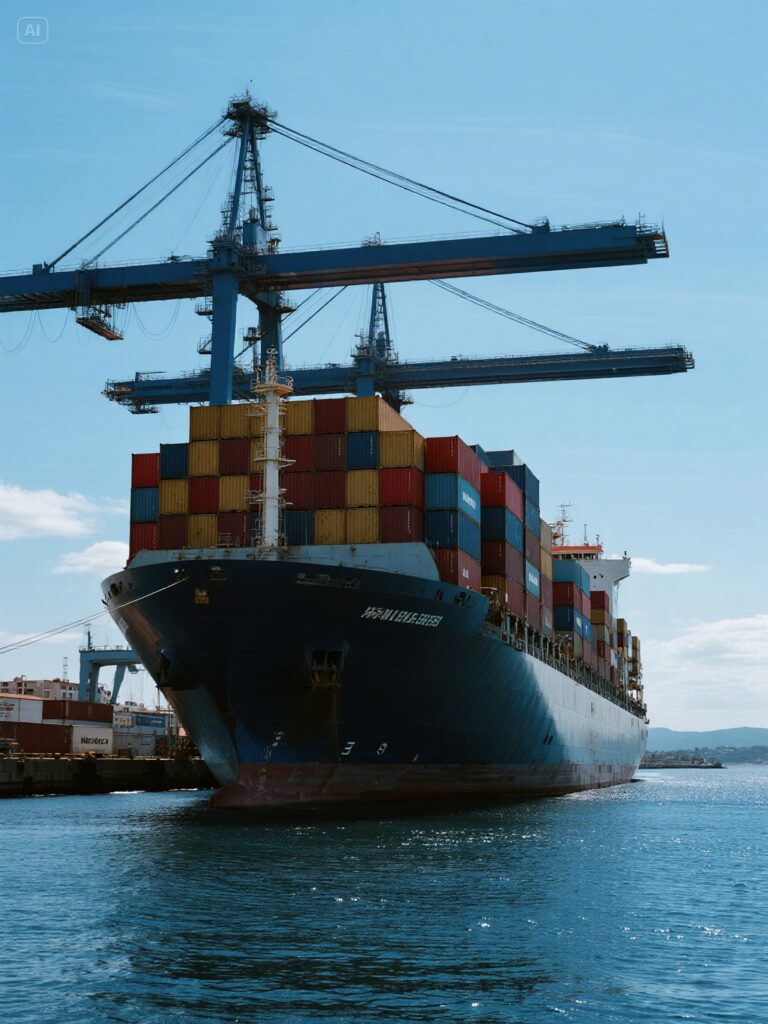
Sailing schedules significantly affect supply chain stability. Additionally, transit times fluctuate due to weather, port congestion, and carrier rotations.
| Route Option | Transit Time (Days) | Reliability | Notes |
|---|---|---|---|
| Shenzhen → Seattle (Direct) | 14–17 | Very High | Fastest route for electronics |
| Shanghai → Seattle (Direct) | 16–19 | High | Good for bulk electronics |
| Ningbo → Seattle (Direct) | 16–20 | High | Stable weekly services |
| Qingdao → Seattle (Transshipment) | 20–26 | Medium | Lower reliability but cheaper |
| Xiamen → Seattle (Transshipment) | 22–28 | Medium | Suitable when space is tight |
8. What Booking Strategies Prevent Shortages for Electronics?
Because electronics shipments are time-sensitive, using structured booking strategies greatly improves supply chain flow.
Effective Booking Workflow
- Pre-allocate volumes with carriers monthly
- Combine FCL + LCL strategies during critical periods
- Maintain rolling forecasts with suppliers
- Work with freight forwarders offering guaranteed space
- Use carriers that prioritize technology industry shipments
9. Should Shippers Consider Multimodal Transport to Avoid Shortages?
Yes. When 20GP shortages are severe, multimodal solutions maintain continuity.
| Mode | Transit Time | Cost Level | Suitability for Electronics |
|---|---|---|---|
| Sea + Rail (West Coast to Chicago) | 18–25 days | Medium | Good for mid-urgency shipments |
| Sea + Truck (Seattle distribution) | 14–20 days | Medium-Low | Ideal for final-mile delivery |
| Air + Sea Hybrid | 7–15 days | High | Balanced for urgent components |
| Rail from China to EU + Ocean to USA | 28–35 days | Medium-High | Alternative when China–US lanes are tight |
11. How Can a Freight Forwarder Solve 20GP FCL Equipment Shortages?
A professional forwarder offers several advantages:
H4 – Forwarder Solutions
- Access to multiple carrier equipment pools
- Repositioning of empty containers
- Guaranteed space contracts
- Real-time tracking + schedule visibility
- Faster customs processing
- Door-to-door delivery optimization
These benefits ensure electronics reach Seattle on schedule.
Conclusion
Securing a reliable 20GP FCL container shortage solution for electronics from China to Seattle requires early planning, diversified routes, accurate forecasting, and flexible equipment strategies. Moreover, combining alternative container types with multimodal options helps maintain supply chain continuity. By partnering with an experienced freight forwarder, shippers gain guaranteed access to space, reliable schedules, and complete visibility from origin to destination—ensuring electronics arrive safely and on time.
FAQ
1. How early should I book 20GP FCL during peak electronics season?
Booking 20–30 days early is recommended because electronics demand quickly exhausts equipment across major Chinese ports, especially during holiday or promotional production cycles.
2. Can I switch from 20GP to 40GP without affecting cargo safety?
Yes. Electronics packaged on pallets or cartons remain safe in 40GP units, and the internal conditions remain stable with proper blocking, bracing, and moisture protection applied.
3. Are transshipment routes from China to Seattle reliable for electronics?
They are moderately reliable, though direct sailings are better. Transshipment works when equipment shortages occur or when rate reductions outweigh longer transit times.
4. What increases container shortage risk for electronics exports?
Seasonal surges, delayed vessel rotations, port congestion, and late bookings increase risk. Maintaining forecasts reduces disruption across production and shipping schedules significantly.
5. Is LCL a good backup when 20GP FCL is not available?
LCL works well for smaller batches because it keeps cargo moving. Although it has higher handling time, it prevents shipment delays during severe FCL shortages.