

As global trade evolves, train cargo China to Spain has become one of the most efficient and sustainable logistics options. With balanced cost, speed, and environmental advantages, rail freight connects major Chinese cities like Xi’an, Chongqing, and Chengdu directly with Madrid and Barcelona.
However, choosing the right service, understanding transit times, and managing customs can be challenging. This guide explains everything about rail freight from China to Spain—covering cost, process, customs, and key advantages for importers.

1. What Is Train Cargo from China to Spain?
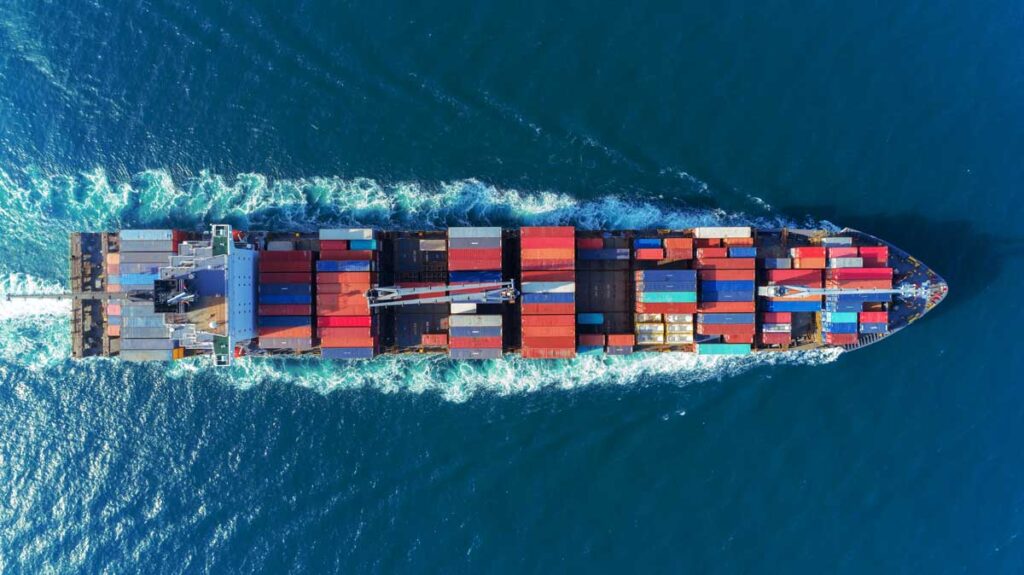
Train cargo refers to the rail freight service operating along the China-Europe Railway Express (CEER). It connects logistics hubs in China with Spain via Kazakhstan, Russia, Belarus, Poland, and France, reaching Madrid’s Azuqueca terminal—the westernmost stop on the Belt and Road rail corridor.
Key Benefits:
- Faster than sea freight, cheaper than air.
- Reliable door-to-door service for containers or LCL cargo.
- Environmentally friendly (up to 80% less CO₂ than air freight).
Commonly Shipped Goods:
Electronics, auto parts, textiles, furniture, machinery, and eCommerce products.
Long-tail keywords: China-Europe railway shipping, door-to-door rail freight, rail container transport, freight logistics China to Spain, Belt and Road rail service.
2. Why Choose Train Cargo Over Sea or Air Freight?
Train cargo offers a balanced alternative—faster than sea, more affordable than air, and highly reliable.
| Mode | Transit Time | Average Cost | Best For | Pros | Cons |
|---|---|---|---|---|---|
| Air Freight | 5–8 days | $5–$9/kg | Urgent shipments | Fastest transit | High cost |
| Rail Freight | 18–22 days | $0.60–$1.20/kg | Medium-size cargo | Cost-effective, steady schedule | Limited space |
| Sea Freight | 35–45 days | $0.20–$0.50/kg | Bulk goods | Cheapest | Slowest |
Why Importers Choose Rail:
- Shorter lead times = faster delivery cycles.
- Predictable schedules with weekly departures.
- Lower environmental impact.
Semantic keywords: freight cost comparison, supply chain optimization, delivery time analysis, cargo reliability, logistics sustainability.
3. How Does Train Cargo from China to Spain Work?
The China–Spain rail freight route involves several stages:
- Pickup in China: Cargo collected from factories (e.g., Shenzhen, Yiwu, Chengdu).
- Consolidation & Export Customs: Goods loaded into containers and cleared by Chinese customs.
- Rail Transport: Trains depart from Xi’an, Chongqing, or Yiwu to Madrid.
- Border Transfer: Containers switch gauges at Poland/Belarus borders.
- European Leg: The train continues across Germany and France into Spain.
- Import Customs Clearance: Processed at Madrid terminal.
- Final Delivery: Truck delivery to consignee’s warehouse or address.
Average Transit Time: 18–22 days door-to-door.
Long-tail keywords: rail freight process, multimodal shipping China to Spain, door-to-door cargo service, customs clearance Spain import.
What are you waiting for?
Contact chinatopfreight for a fast, free quote.
Are you ready to book?
Access live instant freight quotes
4. What Are the Main Routes for Train Cargo China to Spain?
The two primary routes for China–Spain rail freight are:
| Route Name | Origin City (China) | Destination (Spain) | Transit Time |
|---|---|---|---|
| Xi’an–Madrid Line | Xi’an | Madrid | 18–21 days |
| Yiwu–Madrid Line | Yiwu | Madrid | 20–23 days |
| Chongqing–Barcelona Line | Chongqing | Barcelona | 22–24 days |
Connecting Hubs:
- China: Xi’an, Chengdu, Chongqing, Yiwu
- Europe: Duisburg, Hamburg, Lyon, Madrid, Zaragoza
Key Terminal: Madrid Azuqueca Dry Port — Europe’s largest inland rail hub.
Semantic keywords: China-Europe rail route map, Yiwu-Madrid train, Chongqing-Barcelona logistics, intermodal freight connections.
5. What Is the Cost of Train Cargo from China to Spain?
Rail freight pricing depends on cargo type, volume, and service mode.
| Mode | Rate (USD/CBM) | Rate (USD/kg) | Transit Time |
|---|---|---|---|
| LCL (Less than Container Load) | $80–$120 | — | 20–25 days |
| FCL (Full Container Load 20ft) | $3,000–$4,200 | — | 18–22 days |
| FCL (40ft) | $5,200–$6,800 | — | 18–22 days |
| DDP Rail Freight | — | $0.80–$1.50/kg | 20–25 days |
6. How Does Fast Sea Freight Compare with Air and Rail?
| Factor | Fast Sea Freight | Air Freight | Rail Freight* |
|---|---|---|---|
| Transit Time | 12–26 days | 5–9 days | N/A to USA |
| Cost | Low/Medium | High | Not available |
| Cargo Volume | Very large | Limited | N/A |
| Eco-Friendliness | Moderate | Poor | N/A |
*Note: There is no direct rail freight service between China and the USA due to ocean separation.
7. Can Small Businesses Use Fast Sea Freight?
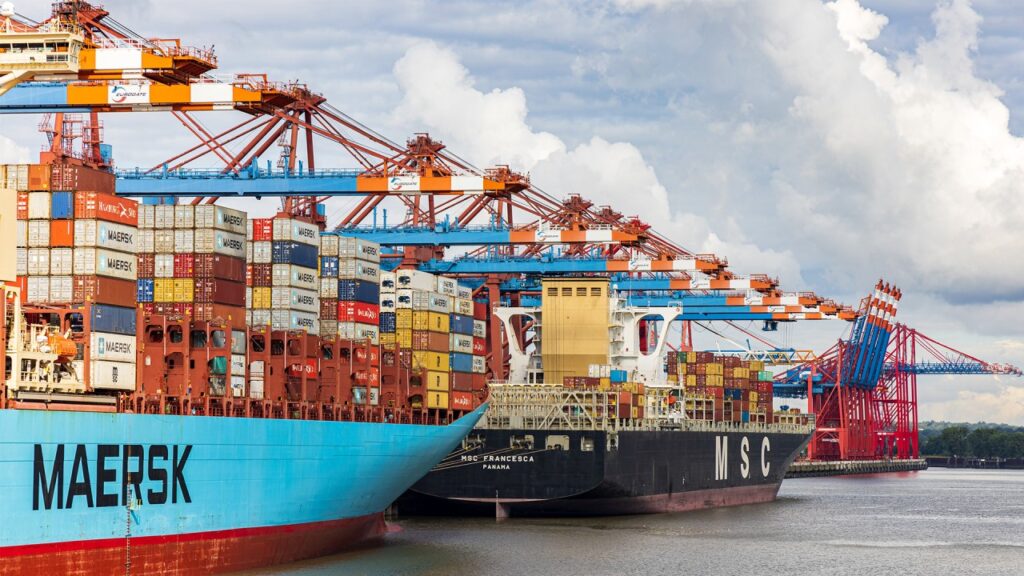
Yes. With LCL (Less than Container Load), smaller companies can share container space. This allows SMEs to enjoy lower costs and flexible delivery options without committing to FCL.
8. What Are the Pros and Cons of Fast Sea Freight?
| Pros | Cons |
|---|---|
| Lower cost than air freight | Longer than air delivery |
| Shorter transit than standard sea | Subject to port congestion |
| Handles bulk cargo easily | Requires early booking |
| More eco-friendly than air | Not ideal for perishable goods |
9. Do Peak Seasons Impact Fast Sea Freight?
Yes. Before Chinese New Year, summer retail season, and holiday shopping periods, demand surges. Booking early ensures space and avoids high surcharges during peak months.
10. How to Ensure Reliable Fast Sea Freight from Shenzhen?
- Book early during peak seasons
- Work with experienced freight forwarders
- Prepare documents accurately to avoid customs delays
- Track shipments digitally for real-time visibility
- Choose the right shipping line offering direct routes
Conclusion
Opting for fast sea freight from Shenzhen to USA enables businesses to strike the right balance between transit speed and shipping cost. Compared with air freight, it is significantly more affordable, while still offering faster delivery than traditional sea routes. With careful planning, accurate documentation, and reliable freight forwarder support, companies can streamline supply chains and ensure timely deliveries across the U.S. market.
FAQ
Q1: Can fast sea freight handle fragile cargo?
Yes, with proper packaging and containerization, fragile goods like electronics, glass, or ceramics can be safely shipped by sea without damage.
Q2: How does fast sea freight differ from express shipping?
Fast sea freight uses direct ocean routes and priority port handling, while express shipping refers to air couriers such as DHL, FedEx, or UPS.
Q3: Is insurance required for sea freight shipments?
Insurance is strongly recommended, as it covers risks like damage, theft, or delays during the long transit across international waters.
Q4: Can I track my sea freight shipment online?
Yes, most carriers and freight forwarders provide digital tracking systems that display vessel position, estimated arrival, and customs status updates.
Q5: What are detention and demurrage fees in sea freight?
These are charges applied when containers are held beyond free time at ports or terminals, often caused by delayed pickup or customs clearance.