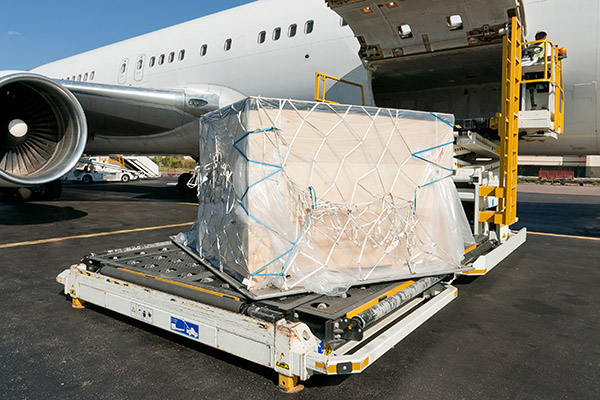
Managing electronics air freight China to Europe is essential for businesses that rely on fast, secure, and efficient transport of high-value goods. However, challenges such as customs compliance, shipping costs, and transit times can complicate the process. This guide provides importers with clear solutions to optimize logistics and ensure timely deliveries.
1. Why Use Air Freight for Electronics from China to Europe?
Electronics such as smartphones, laptops, semiconductors, and components often require time-sensitive shipping and high-security handling. Air freight offers:
Faster delivery than sea or rail.
Secure handling for fragile or high-value cargo.
Reliable schedules for just-in-time supply chains.
Moreover, with Europe’s demand for electronics growing, efficient air transport is vital for maintaining competitiveness.
4. How Long Does It Take to Ship from China to Europe?
Destination Airport
Transit Time (Air Freight)
Frankfurt (Germany)
3–5 days
Paris (France)
3–5 days
London Heathrow (UK)
4–6 days
Amsterdam (Netherlands)
3–5 days
Madrid (Spain)
4–7 days
5. What Customs Documents Are Required?
Document
Purpose
Air Waybill (AWB)
Proof of shipment
Commercial Invoice
Declares product value
Packing List
Details cargo content
CE Certificate
Confirms EU compliance
Importer of Record (IOR)
Mandatory for customs clearance
HS Codes
Classifies products for duty
Battery Certifications (if applicable)
Required for lithium-ion goods
6. How Are Electronics Classified for Customs?
Electronics fall under specific HS codes. For example:
Phones & tablets: HS 8517
Computers & laptops: HS 8471
Semiconductors & circuits: HS 8542
Correct classification prevents delays and avoids penalties.
7. Why Are Lithium Batteries a Special Case?
Most electronics contain lithium batteries, which are considered hazardous cargo. Therefore:
Airlines require special packaging and labeling.
Documentation such as UN38.3 test reports is mandatory.
Only certified forwarders can handle bulk shipments.
8. Air vs. Sea Freight for Electronics: Which Is Better?
Factor
Air Freight
Sea Freight
Speed
3–7 days
28–40 days
Cost
Higher per kg
Lower per unit
Risk
Lower, secure handling
Higher due to long transit
Best For
Urgent, high-value shipments
Bulk, non-urgent cargo
9. What Are the Key Challenges Importers Face?
High Costs: Air freight is more expensive than sea or rail.
Regulations: Strict compliance for batteries and electronics.
Peak Season Delays: Electronics demand spikes during holidays.
Customs Complexity: Incorrect paperwork leads to detention.
10. How to Optimize Electronics Air Freight?
Consolidate shipments to reduce costs.
Work with freight forwarders specializing in electronics logistics.
Pre-clear customs documents to avoid delays.
Choose major hub airports like Frankfurt or Amsterdam for faster handling.
Conclusion
Shipping electronics internationally requires speed, safety, and compliance. With electronics air freight China to Europe, businesses can meet tight delivery schedules, protect high-value cargo, and maintain a reliable supply chain. Although costs are higher, the benefits outweigh the risks for time-sensitive products. Partnering with a skilled freight forwarder ensures smooth customs clearance, proper battery handling, and cost optimization—keeping your business competitive in the fast-paced electronics market.