

- By kelly
- October 22, 2025
- Logistics, Tips or Guide
Electronics Freight China to Europe: Complete Guide to Costs, Transit & Customs

Global trade between Asia and Europe thrives on high-tech products, and electronics freight China to Europe has become a cornerstone of this flow. From smartphones and laptops to household appliances and industrial components, electronics require careful handling, fast transit, and strict customs compliance. However, importers often face challenges such as high shipping costs, customs clearance delays, and fluctuating demand cycles. This guide covers everything you need to know—shipping methods, costs, customs documentation, and strategies for efficient electronics logistics.
1. What Is Electronics Freight from China to Europe?
Electronics freight refers to the transportation of consumer and industrial electronic goods from Chinese manufacturers to European importers.
Products shipped include:
- Smartphones, tablets, and laptops
- Household appliances
- Gaming consoles and accessories
- Networking equipment and components
- Industrial automation electronics
Since many electronics are lightweight but high-value, the choice of shipping method often depends on balancing speed, security, and cost.
2. How Long Does Electronics Freight China to Europe Take?
Transit time varies depending on the method chosen:
| Shipping Method | Average Transit Time | Best For |
|---|---|---|
| Express Courier | 3–6 days | Small urgent shipments |
| Air Freight (Direct) | 5–9 days | High-value, urgent cargo |
| Air Freight (Indirect) | 7–12 days | Lower cost, slightly longer |
| Rail Freight | 18–25 days | Mid-sized shipments |
| Sea Freight (FCL) | 28–40 days | Bulk, cost-sensitive goods |
| Sea Freight (LCL) | 32–45 days | Small or shared container loads |
Therefore, air freight and rail freight are popular choices for electronics because they provide speed and reliability compared to sea freight.
3. How Much Does Electronics Freight Cost from China to Europe?
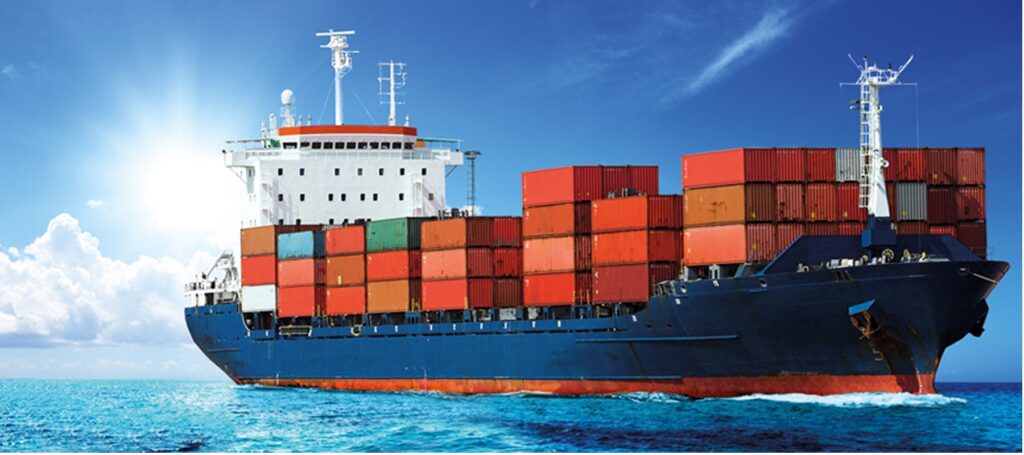
Costs depend on cargo weight, volume, and urgency.
| Method | Approximate Cost | Pros | Cons |
|---|---|---|---|
| Air Freight | $5–$10/kg | Fast, secure, ideal for high-value electronics | Expensive |
| Express Courier | $8–$15/kg | Door-to-door, fastest small packages | Not viable for bulk |
| Rail Freight (40ft) | $6,000–$8,000 | Faster than sea, greener option | Limited routes |
| Sea Freight (20ft FCL) | $2,200–$3,500 | Cheapest for bulk cargo | Long transit |
| Sea Freight (LCL) | $120–$180/CBM | Flexible for small volumes | Handling delays |
Moreover, electronics often require additional insurance due to their high value.
4. Should You Use Air, Sea, or Rail for Electronics Freight?
| Factor | Air Freight | Sea Freight | Rail Freight |
|---|---|---|---|
| Speed | 5–9 days | 28–40 days | 18–25 days |
| Cost | High | Lowest | Medium |
| Cargo Security | High | Moderate | High |
| Best For | Urgent, high-value electronics | Large-volume shipments | Mid-sized or balanced deliveries |
Thus, air freight dominates urgent shipments, while sea freight handles bulk cargo, and rail offers a balanced alternative.
5. What Customs Documents Are Required for Electronics Freight?
Customs clearance is complex for electronics due to safety regulations, certifications, and import duties.
| Document | Purpose |
|---|---|
| Commercial Invoice | Declares value and trade details |
| Packing List | Describes cargo weight and packaging |
| Air Waybill / Bill of Lading | Proof of transport |
| Certificate of Origin | Confirms manufacturing source |
| CE Certification | Required for electronics entering the EU |
| Import License (if applicable) | For restricted products |
Additionally, some products may require RoHS or WEEE compliance for environmental regulations.
6. How Do Import Duties Affect Electronics Freight to Europe?
- EU Import Duties: Typically 0–14% depending on HS code.
- VAT: Charged at destination country’s rate (17–25%).
- Certification Costs: CE and safety compliance add overheads.
Therefore, accurate HS classification avoids penalties and ensures proper duty calculation.

7. Which Chinese Ports and European Hubs Handle Electronics Freight?
Major Chinese Export Ports: Shenzhen, Shanghai, Ningbo, Guangzhou.
Airports: Shenzhen Bao’an (SZX), Shanghai Pudong (PVG), Beijing Capital (PEK).
European Ports: Rotterdam, Hamburg, Antwerp.
Airports: Frankfurt (FRA), Amsterdam (AMS), Paris (CDG).
Rail Hubs: Duisburg (Germany), Warsaw (Poland), Madrid (Spain).
Strategic route selection can cut transit times and inland costs.
8. How to Package Electronics for Safe Freight?
Electronics are fragile and high-value, requiring secure packaging.
- Use anti-static packaging for sensitive parts.
- Seal cargo with moisture-proof and tamper-proof materials.
- Use palletization for large orders.
- Include shock-absorbing foam or bubble wrap.
- Clearly label packages with “fragile” and product details.
Proper packaging reduces insurance claims and customer dissatisfaction.
9. How to Reduce Electronics Freight Costs from China to Europe?
- Consolidate shipments into FCL when possible.
- Book early to avoid peak season surcharges.
- Use rail freight for a balance of cost and time.
- Optimize packaging to minimize volumetric weight.
- Negotiate long-term contracts with forwarders.
Additionally, multimodal solutions (air + rail or sea + rail) can reduce costs.
10. What Are the Risks of Electronics Freight?
- Customs delays from incomplete documents.
- Damage or theft due to high-value cargo.
- Capacity shortages during peak demand.
- Compliance issues with CE and safety certifications.
Therefore, working with an experienced freight forwarder minimizes risks.
11. Pros and Cons of Electronics Freight China to Europe
| Pros | Cons |
|---|---|
| High supply chain efficiency | High tariffs and VAT |
| Flexible shipping methods | Longer sea freight times |
| Strong global connectivity | Packaging requirements increase cost |
| Multiple transport hubs available | Seasonal surcharges |
12. Trends in Electronics Freight China to Europe
- E-commerce growth: Driving demand for faster delivery options.
- Rail expansion: Belt and Road Initiative improving China-Europe connectivity.
- Green logistics: Rail and eco-air services gaining traction.
- Digital freight platforms: Real-time rate comparison and tracking.
These trends highlight the importance of innovation in electronics logistics.
📦Get a Free Quote
If you need tailored solutions for electronics freight China to Europe, our logistics team specializes in secure, fast, and cost-effective services. Contact us today to get a quote and keep your supply chain running smoothly.
❓ Frequently Asked Questions
1. What is the fastest way to ship electronics from China to Europe?
Air freight or express courier is the fastest, with transit times as short as 3–6 days.
2. Do I need CE certification for electronics imports?
Yes, all electronic products entering the EU must comply with CE marking requirements for safety and environmental standards.
3. Can I use rail freight for electronics shipping?
Yes, rail freight is popular for mid-volume shipments, offering 18–25 day transit and lower CO₂ emissions.
4. What are customs duties for electronics in Europe?
Duties range from 0–14%, plus VAT based on the destination country’s tax system.
5. How can I reduce shipping costs for electronics?
Consolidating shipments, optimizing packaging, and booking during off-peak seasons can significantly reduce costs.
Conclusion
Electronics freight China to Europe plays a crucial role in global supply chains. While sea freight is the cheapest, air freight and rail freight provide faster solutions for high-value or time-sensitive electronics. By preparing accurate customs documents, securing proper packaging, and working with experienced freight forwarders, businesses can ensure cost-effective, secure, and timely delivery of electronics across Europe.
Ultimately, the right logistics partner helps reduce risks, optimize shipping strategies, and maintain customer satisfaction in the competitive electronics market.