

Shipping electronics globally is highly competitive, yet businesses often rely on electronics sea freight from China to balance costs, safety, and stable supply-chain performance. Moreover, ocean freight offers scalability, predictable pricing, and flexible container solutions that suit small electronics, bulk cargo, and high-value devices.
What Makes Electronics Sea Freight From China So Popular?
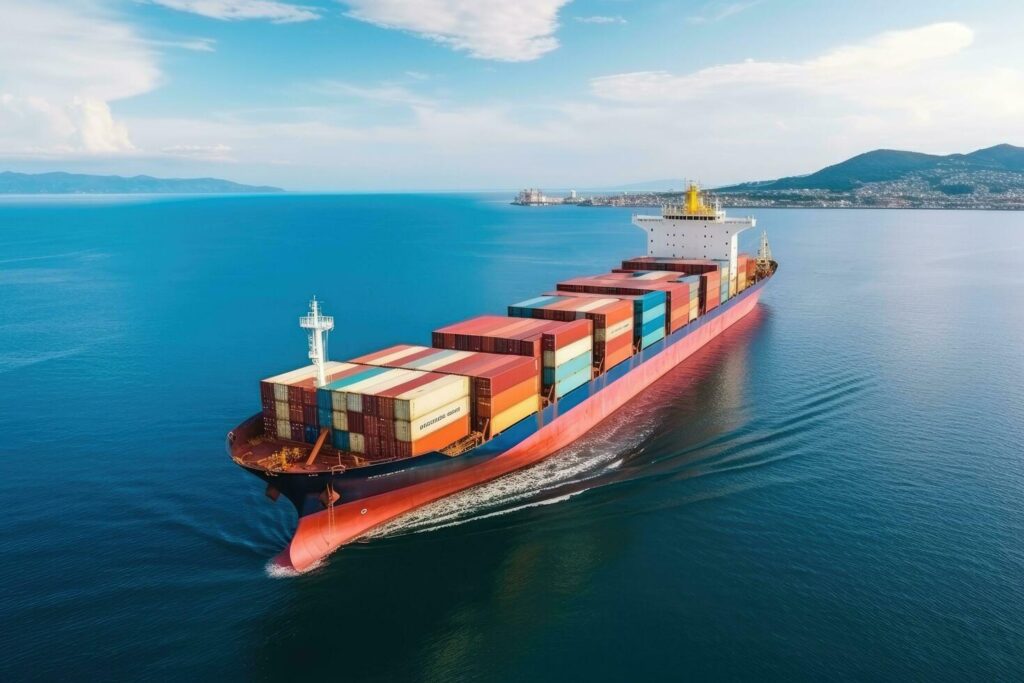
Choosing electronics sea freight from China is ideal because it delivers the perfect combination of low shipping costs, flexible container options, and strong global port networks. Additionally, electronics products—such as laptops, accessories, appliances, components, and smart devices—ship efficiently in both FCL and LCL solutions.
Why Importers Prefer Sea Freight Over Other Methods
- More cost-effective than air freight
- Handles large volumes efficiently
- Suitable for mixed electronics shipments
- Supports temperature-controlled and high-security container options
- Easily integrates into long-term supply-chain strategies
What Are the Main Shipping Methods for Electronics From China?
Choosing the right method improves delivery schedules and reduces costs.
| Method | Transit Time | Cost Level | Best For | Pros | Cons |
|---|---|---|---|---|---|
| Sea Freight FCL | 18–35 days | Low | Bulk cargo | Lowest cost | Slowest |
| Sea Freight LCL | 22–38 days | Low–Medium | Smaller loads | Flexible | More handling |
| Air Freight | 3–7 days | High | Urgent electronics | Fast | Expensive |
| Express Freight | 3–5 days | Very High | Samples | Fast & easy | Limited capacity |
| Rail Freight | 15–28 days | Medium | EU-bound electronics | Faster than sea | Limited lanes |
How Much Does Electronics Sea Freight From China Cost?
Costs depend on volume, route, container type, market season, and Incoterms. However, ocean freight remains the lowest-cost method for large electronics shipments.
| Shipping Type | Estimated Cost (USD) | Notes |
|---|---|---|
| LCL (per CBM) | $25–$55/CBM | Best for small electronics shipments |
| 20’ FCL | $1,200–$2,200 | Works for bulk accessories and devices |
| 40’ FCL | $1,800–$3,200 | Most cost-efficient for high-volume imports |
| High Cube (HQ) | $2,000–$3,500 | Ideal for oversized electronics packaging |
Costs vary depending on fuel prices, shipping season, and port congestion.
What are you waiting for?
Contact chinatopfreight for a fast, free quote.
Are you ready to book?
Access live instant freight quotes
What Documents Are Required for Electronics Sea Freight From China?
Documentation accuracy is crucial. Missing or incorrect paperwork can trigger customs delays, inspections, and fines.
| Document | Required For |
|---|---|
| Commercial Invoice | Value declaration |
| Packing List | Weight, volume, dimensions |
| Bill of Lading | Transport contract |
| Export Declaration | China customs clearance |
| HS Codes | Duty calculation |
| Certificate of Origin | Preferential duty programs |
| MSDS (for batteries) | Lithium battery classification |
| FCC/CE Certificate | Electronics compliance |
| Importer Tax ID | Destination customs entry |
How Long Does Electronics Sea Freight From China Take?
Transit time depends on origin port, destination port, carrier schedules, and customs clearance speed.
| Destination | Transit Time (Sea) |
|---|---|
| USA (West Coast) | 15–25 days |
| USA (East Coast) | 25–35 days |
| Europe (North) | 25–40 days |
| Europe (South) | 22–35 days |
| Middle East | 20–32 days |
| Australia | 15–30 days |
Additionally, customs clearance, inland trucking, and port congestion may add 2–5 extra days.
Why Do Electronics Require Special Handling in Sea Freight?
Electronics are sensitive to moisture, static electricity, impact, and temperature changes. Therefore, importers must use proper packaging and loading practices.
Common Electronics Handling Measures
- Anti-static bags
- Moisture-proof and desiccant packing
- Shock-resistant cartons
- Palletization for stability
- Container fumigation (if required)
- Temperature-control solutions for sensitive goods
Additionally, shipments containing lithium batteries require MSDS and DG (dangerous goods) classification.
What Types of Electronics Can Be Shipped by Sea Freight?

A wide range of electronics can safely ship via ocean freight:
Categories Commonly Transported
- Mobile phones & accessories
- Laptops & tablets
- Consumer electronics
- Smart home devices
- Gaming equipment
- LED displays & lighting products
- Home appliances
- Electronic components & circuit boards
Sea freight offers scalability for all these categories.
How to Choose Between FCL and LCL for Electronics Sea Freight From China?
Selecting FCL or LCL significantly impacts cost, handling, and transit time.
| Factor | FCL | LCL |
|---|---|---|
| Cost Efficiency | Best for ≥15 CBM | Best for <15 CBM |
| Transit Time | Faster | Slightly slower due to consolidation |
| Handling Risk | Lowest | Higher (multiple touchpoints) |
| Security | High | Medium |
| Customs Risk | Low | Moderate |
What Customs Requirements Apply to Electronics Sea Freight From China?
U.S., EU, and global markets enforce strict compliance standards for imported electronics.
Common Regulatory Requirements
- FCC (USA)
- CE (EU)
- RoHS environmental standards
- Duty & tax calculation based on HS codes
- BIS certification (India)
- KC certification (Korea)
Additionally, products containing batteries require special declaration and labeling.
How to Reduce Shipping Costs for Electronics Sea Freight From China
Importers can control expenses by optimizing packing, timing, and freight strategy.
Cost Reduction Strategies
- Book during non-peak seasons
- Use FCL instead of LCL for medium/large orders
- Consolidate shipments from multiple suppliers
- Select direct routes to reduce delays
- Compare rates among multiple carriers
- Use long-term freight contracts
These steps ensure lower per-unit shipping costs.
Conclusion
In conclusion, electronics sea freight from China remains one of the most cost-effective, scalable, and reliable solutions for global importers. With proper documentation, optimized packing, and the right freight method, businesses can reduce costs, shorten transit times, and strengthen long-term supply-chain performance. Moreover, partnering with an experienced logistics provider ensures consistent compliance, safety, and on-time delivery for every shipment.
FAQ
1. What is the best shipping method for large electronics orders from China?
Sea freight FCL is the best choice for bulk electronics because it reduces per-unit costs, minimizes handling risk, and provides more stable transit schedules.
2. Do electronics require special documents for sea freight?
Yes. Electronics often require FCC, CE, or RoHS compliance documents, in addition to MSDS sheets for battery-powered items and standard shipping paperwork.
3. Are there risks in shipping electronics via ocean freight?
Risks include moisture exposure, vibration, and long transit times. Proper packaging, palletizing, and container-level protection greatly reduce these risks.
4. How early should I book electronics sea freight?
It’s recommended to book 1–2 weeks in advance, especially during peak seasons, to secure container space and avoid delays caused by high export demand.
5. Can I ship electronics containing lithium batteries by sea?
Yes, but they require DG classification, MSDS documentation, correct labeling, and compliance with IMDG regulations to ensure safe ocean transport.