

Expert Professional FCL Shipping from China to Netherlands
Navigating the complexities of international logistics, especially for large volumes, requires expertise. For businesses importing goods, professional FCL shipping from China to Netherlands offers a robust and efficient solution. China Top Freight specializes in optimizing your supply chain, ensuring your full container loads reach their destination safely and on time.
Why Choose Professional FCL Shipping for China to Netherlands?
Full Container Load (FCL) shipping involves booking an entire container for your cargo, regardless of whether it fills completely. This method offers significant advantages for businesses with substantial shipment volumes. Indeed, it ensures greater control and security for your goods.
Choosing FCL for your China to Netherlands route means dedicated space, reduced handling, and often, faster transit times compared to less-than-container-load (LCL) options. Moreover, it minimizes the risk of damage or loss that can occur with shared container space. Therefore, many importers prefer FCL for valuable or sensitive cargo.
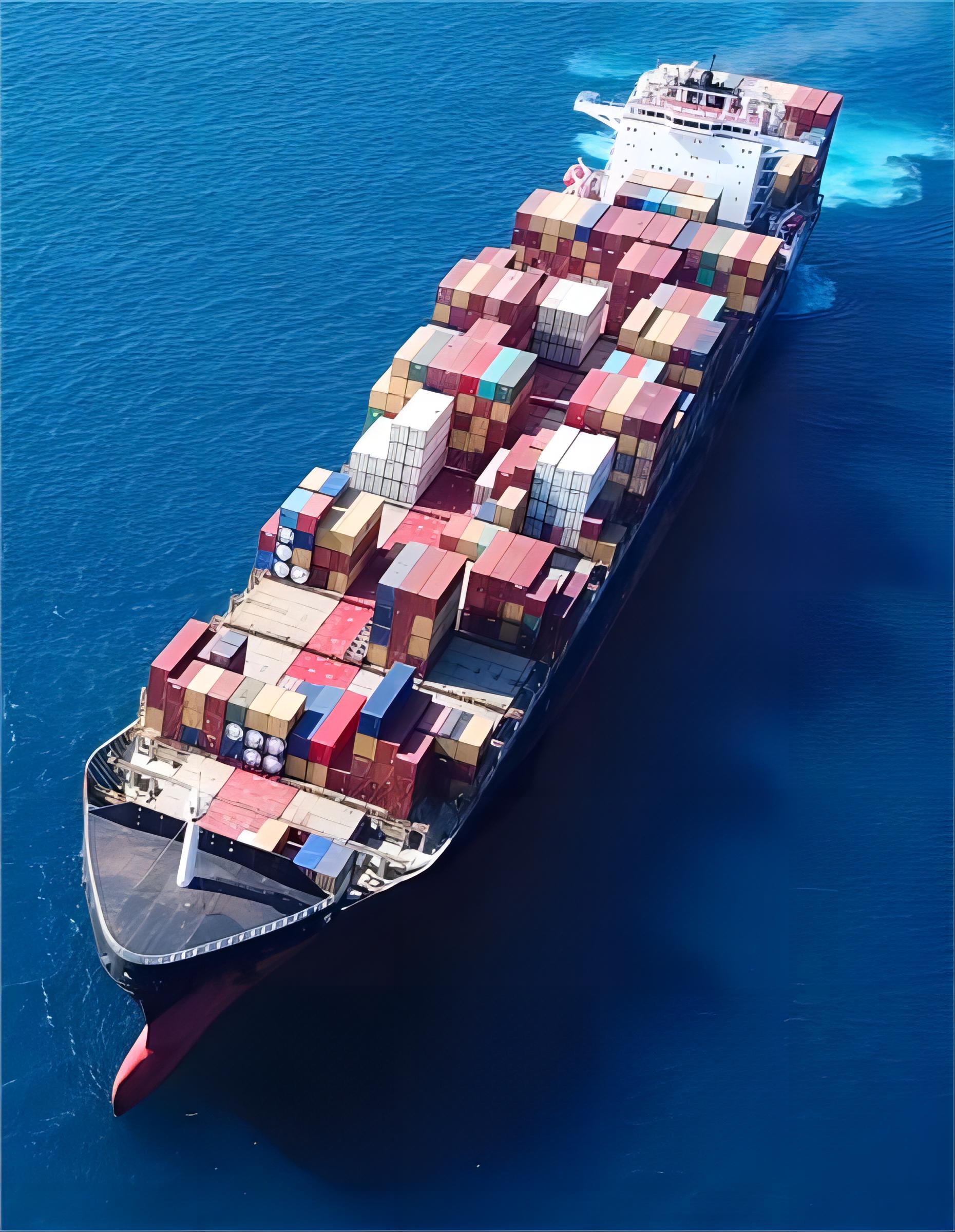
Furthermore, professional FCL shipping from China to Netherlands provides predictability in your supply chain. With direct routes and fewer stops, you can better manage inventory and delivery schedules. This streamlined process is critical for maintaining efficient operations. For large-scale imports, sea freight via FCL is often the most cost-effective solution.
How Does FCL Shipping Compare to Other Shipping Options?
When planning your import strategy, understanding the differences between shipping methods is crucial. Each option presents unique trade-offs concerning cost, speed, and suitability for various cargo types. Consequently, selecting the right mode impacts your overall logistics efficiency.
FCL sea freight stands out for its balance of cost-effectiveness and capacity, particularly for bulky or heavy goods. However, alternatives like air freight and rail freight offer distinct advantages for specific scenarios. Therefore, a comprehensive comparison helps in making informed decisions for your professional FCL shipping from China to Netherlands requirements.
As of Q1 2025, freight rates from China to Europe have stabilized after the 2024 Red Sea disruptions, but market conditions remain dynamic. Typical rates for FCL shipping from China to Netherlands for a 40HQ container range from $3,000 to $4,200. In contrast, air freight would cost significantly more for the same volume, often upwards of $15,000-$25,000, albeit with much faster transit times. Note: Freight rates are subject to change based on fuel costs, carrier capacity, and seasonal demand. Contact us for a current quote tailored to your specific shipment.
| Shipping Method | Cost Range (40HQ) | Transit Time (China-NL) | Best For | Limitations |
|---|---|---|---|---|
| FCL Sea Freight | $3,000 – $4,200 | 28-35 days | Large volumes, heavy/bulky goods, cost-sensitive | Longer transit times, port congestion risk |
| LCL Sea Freight | $50 – $80/CBM | 35-45 days | Smaller shipments (<15 CBM), flexible volume | More handling, potential delays, higher per CBM cost |
| Air Freight | $15,000 – $25,000 | 5-7 days | Urgent, high-value, perishable goods, samples | Very high cost, limited volume/weight, fuel surcharges |
| Rail Freight | $6,000 – $9,000 | 18-22 days | Medium urgency, specific European destinations, heavy cargo | Less flexible routes, limited capacity compared to sea |
Key Considerations for Your FCL Shipment to the Netherlands
Several factors demand careful attention when organizing your professional FCL shipping from China to Netherlands. Addressing these proactively helps avoid delays and unexpected costs. Consequently, thorough planning is essential for a smooth process.
Choosing the Right Container Type
Selecting the appropriate container is fundamental for optimizing space and protecting your cargo. Standard containers come in 20-foot (20GP) and 40-foot (40GP) lengths, with 40-foot High Cube (40HQ) offering extra height. Furthermore, specialized containers like open-top, flat rack, or reefer containers cater to unique cargo requirements.
Consider your cargo’s dimensions, weight, and specific handling needs. For instance, a 20GP is ideal for heavy goods that don’t fill a larger container, while a 40HQ is perfect for voluminous, lighter items. Incorrect container choice can lead to wasted space or inability to load your goods.
Understanding Incoterms and Documentation
Incoterms define the responsibilities of buyers and sellers for the delivery of goods under sales contracts. They clarify who is responsible for paying and managing the shipment, insurance, documentation, and customs clearance. Therefore, agreeing on the correct Incoterm (e.g., FOB, EXW, CIF, DDP) is vital.
Required documentation typically includes the Bill of Lading, Commercial Invoice, Packing List, and sometimes a Certificate of Origin. Moreover, specific product types may require additional licenses or permits for import into the Netherlands. Accurate and complete documentation prevents customs delays.
Navigating Customs and Regulations for Netherlands Imports
Customs clearance is a critical step in professional FCL shipping from China to Netherlands. The Netherlands, as part of the EU, adheres to strict import regulations. Therefore, understanding and complying with these rules is paramount to avoid penalties and delays.
You must accurately classify your goods using Harmonized System (HS) codes, which determine applicable duties and taxes. Additionally, VAT (Value Added Tax) applies to most imports into the EU. Utilizing a reliable customs brokerage service can significantly streamline this complex process.
Proper declaration of goods’ value, origin, and quantity is mandatory. Furthermore, certain products may be subject to specific EU directives regarding safety, environmental standards, or labeling. These include CE marking for many industrial and consumer goods. Non-compliance can result in cargo detention or even seizure.
Case Study 1: E-commerce Bulk Order
| Detail | Description |
|---|---|
| Route | Shenzhen, China Rotterdam, Netherlands |
| Cargo | Electronics accessories (phone cases, cables), 58 CBM, 12,000 kg |
| Container | 1 x 40HQ |
| Shipping Details | Carrier: MSC, Port of Loading: Yantian, Port of Discharge: Rotterdam, Route Type: Direct |
| Cost Breakdown | Ocean Freight: $3,800, Origin Charges: $450, Destination Charges: $550, Customs & Duties (est): $1,200, Total Landed Cost: $6,000 |
| Timeline | Booking to Loading: 5 days, Sea Transit: 30 days, Customs Clearance: 3 days, Total Door-to-Door: 38 days |
| Key Insight | Timely booking during Q4 peak season avoided rate spikes. Utilizing a direct service minimized transit time for fast-moving e-commerce inventory. Based on Q4 2024 market rates. |
Case Study 2: Industrial Equipment Transport
| Detail | Description |
|---|---|
| Route | Ningbo, China Amsterdam, Netherlands |
| Cargo | Machinery parts (non-hazardous), 25 CBM, 28,000 kg |
| Container | 1 x 20GP (heavy load) |
| Shipping Details | Carrier: COSCO, Port of Loading: Ningbo, Port of Discharge: Rotterdam (onward to Amsterdam by truck), Route Type: Transshipment via Singapore |
| Cost Breakdown | Ocean Freight: $2,500, Origin Charges: $380, Destination Charges: $480, Customs & Duties (est): $850, Total Landed Cost: $4,210 |
| Timeline | Booking to Loading: 7 days, Sea Transit: 38 days, Customs Clearance: 4 days, Total Door-to-Door: 49 days |
| Key Insight | Choosing a 20GP for heavy cargo optimized cost. Transshipment added a few days but secured better vessel space. Typical rates as of early 2025 for heavy machinery components. |
Optimizing Costs and Transit Times in FCL Shipping
Achieving the best balance between cost and speed is a constant goal in international shipping. For professional FCL shipping from China to Netherlands, several strategies can help optimize both factors. Moreover, proactive planning is often the key to significant savings.
Booking in advance, especially outside peak seasons, can lead to more favorable freight rates. Furthermore, consolidating multiple orders into a single FCL shipment maximizes container utilization. This approach directly reduces the per-unit shipping cost, enhancing overall profitability.
Choosing the right port of loading in China and port of discharge in the Netherlands also plays a role. While Rotterdam is the primary gateway, considering other European ports if your final destination is closer can sometimes save on inland transport. Additionally, understanding market trends and seasonal rate fluctuations allows for strategic timing of shipments. Rates typically increase 15-25% during August-October peak season.
The Role of a Professional Freight Forwarder
Engaging a seasoned freight forwarder is indispensable for efficient professional FCL shipping from China to Netherlands. A forwarder acts as your logistics partner, managing the intricate details of your shipment. Consequently, this allows you to focus on your core business operations.
They handle everything from booking cargo space with carriers to managing documentation, customs procedures, and coordinating inland transport. Furthermore, a good forwarder provides valuable advice on Incoterms, insurance, and compliance requirements. This expertise is crucial for mitigating risks and ensuring smooth transit.
A professional forwarder can also offer comprehensive door-to-door services, simplifying the entire shipping process. They leverage their network and industry knowledge to negotiate better rates and secure reliable vessel space. Ultimately, their goal is to provide a seamless and cost-effective shipping experience. Market data suggests that using an experienced forwarder can reduce logistics-related delays by up to 20%.
Common Challenges and How to Overcome Them
Despite careful planning, international FCL shipping can present various challenges. Recognizing these potential hurdles beforehand allows for proactive mitigation strategies. Indeed, preparedness is key to maintaining supply chain resilience.
Port congestion, particularly at major hubs like Rotterdam, can cause delays. During peak seasons or unforeseen events, vessel schedules may shift, impacting transit times. Therefore, maintaining open communication with your freight forwarder is vital for receiving timely updates and alternative solutions.
Customs inspections or unexpected documentation issues can also lead to hold-ups. Ensuring all paperwork is accurate and complete, and having a reliable customs broker, can significantly reduce these risks. Moreover, cargo insurance protects against loss or damage during transit, offering financial security in case of unforeseen incidents.
Conclusion: Your Partner for FCL Shipping Success
Navigating the complexities of international trade requires a strategic approach, especially for professional FCL shipping from China to Netherlands. By understanding the nuances of container types, regulations, and market dynamics, businesses can optimize their supply chain. Ultimately, choosing the right partner makes all the difference.
A seasoned freight forwarder provides the expertise and support needed to ensure your goods arrive efficiently and cost-effectively. They manage the entire process, from origin to destination, allowing you to focus on growth. Therefore, securing professional FCL shipping from China to Netherlands is a critical investment in your business’s success.
Get Your Shipping Quote Today
Ready to streamline your imports? For reliable and professional FCL shipping from China to Netherlands, trust our expertise. Contact us today to receive a personalized quote and discuss your specific logistics needs.
