

- By kelly
- October 23, 2025
- Logistics, Tips or Guide
Export Documentation China to Germany: Complete Shipping Guide

Exporting goods internationally requires more than just arranging transport—it involves careful handling of paperwork. Businesses moving cargo between China and Germany must comply with strict regulations, and export documentation China to Germany is one of the most critical aspects. Without accurate documents, delays, penalties, or rejected shipments can occur. This guide explains every detail of the documentation process, shipping methods, customs requirements, and how to streamline your logistics.
What Export Documents Are Required from China to Germany?
When shipping from China to Germany, exporters must prepare a set of mandatory documents. These ensure compliance with Chinese export laws and German import regulations.
| Document | Purpose | Issued By |
|---|---|---|
| Commercial Invoice | Declares product value for customs duties | Exporter |
| Packing List | Details shipment contents & packaging | Exporter |
| Bill of Lading (B/L) or Air Waybill | Contract of carriage, proof of shipment | Shipping line / airline |
| Export License (if required) | Permits controlled goods export | Chinese authority |
| Certificate of Origin (COO) | Confirms product’s country of origin | Chamber of Commerce |
| Importer’s EORI Number | Required for customs clearance in Germany | Importer |
| CE Marking Documents | Compliance for regulated goods (electronics, toys, medical devices) | Manufacturer |
Why Is Export Documentation Important for China–Germany Trade?
Germany is one of China’s largest trading partners in Europe. However, the EU applies rigorous import standards. Therefore, documentation plays several roles:
- Ensures customs clearance: Customs officers in both countries rely on documents for tariff classification and security checks.
- Avoids penalties: Inaccurate or missing documents can lead to heavy fines or shipment seizure.
- Facilitates logistics planning: Carriers, forwarders, and customs brokers depend on documents for routing and scheduling.
- Builds trust with buyers: Correct paperwork assures German importers of transparency and compliance.
How to Prepare a Commercial Invoice Correctly?
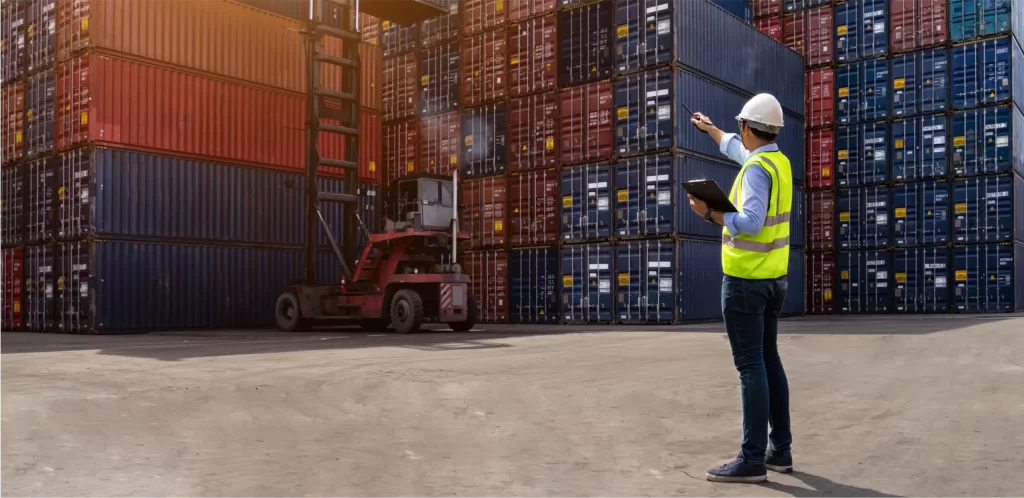
The commercial invoice is the cornerstone of export documentation. To avoid delays, ensure the following details are included:
- Exporter and importer full details
- Invoice number and date
- HS codes (Harmonized System) for all products
- Quantity, unit price, and total value
- Currency of transaction (EUR or USD commonly used)
- Incoterms (e.g., FOB Shanghai, CIF Hamburg)
- Country of origin
What Customs Clearance Procedures Apply in Germany?
Germany, as part of the EU, follows EU customs procedures. Importers must declare goods electronically through the ATLAS customs system. Required elements include:
- Entry Summary Declaration (ENS) – submitted before arrival.
- Customs Declaration (Import SAD form) – details product classification, value, and duties.
- Payment of Import Duties and VAT – Germany applies VAT at 19% (or reduced 7% for food, books, medical goods).
Moreover, goods subject to CE marking, phytosanitary certificates, or hazardous material regulations must undergo additional checks.
What Are the Shipping Options from China to Germany?
When exporting goods, businesses can choose between air freight, sea freight (FCL/LCL), rail freight, and express courier services.
| Mode | Transit Time | Average Cost (per CBM or 40’ FCL) | Pros | Cons |
|---|---|---|---|---|
| Sea Freight (FCL) | 28–35 days | $2,000–$2,800 per 40’ container | Cost-effective, high volume | Longer transit time |
| Sea Freight (LCL) | 30–38 days | $50–$80 per CBM | Flexible for small cargo | Slower, risk of delays |
| Air Freight | 5–8 days | $5–$9 per kg | Fast, reliable | Expensive |
| Rail Freight (China–Europe Railway) | 16–22 days | $4,500–$5,500 per 40’ container | Balanced speed & cost | Limited capacity |
| Express Courier (DHL/UPS/FedEx) | 3–6 days | $8–$12 per kg | Door-to-door, quick customs | Expensive for bulk cargo |
Which Transit Routes Are Most Common?
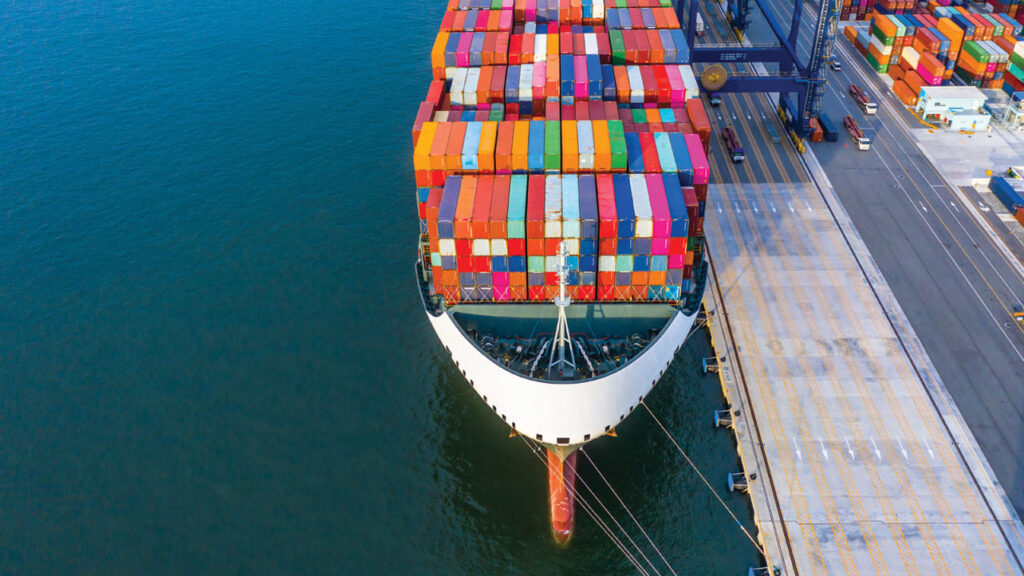
- Sea Freight: Shanghai, Shenzhen, Ningbo → Hamburg, Bremerhaven
- Air Freight: Beijing, Shanghai, Guangzhou → Frankfurt, Munich
- Rail Freight: Xi’an, Chongqing, Wuhan → Duisburg, Hamburg
Germany’s inland logistics hubs, such as Duisburg Intermodal Terminal, are crucial entry points for rail and sea-to-rail combined shipments.
How Much Does Export Documentation Cost?
Documentation fees depend on shipping methods and product types.
| Document | Approximate Fee (USD) |
|---|---|
| Commercial Invoice & Packing List | Included (exporter prepared) |
| Bill of Lading | $40–$80 |
| Certificate of Origin | $40–$70 |
| CE Compliance Testing (if required) | $300–$1,200 |
| Customs Broker Service in Germany | $100–$250 per entry |
What Common Mistakes Should Exporters Avoid?
- Using incorrect HS codes (leads to incorrect duty assessment).
- Missing Incoterms (creates disputes over responsibility).
- Incomplete CE conformity documents (delays for electronics, toys, medical devices).
- Not coordinating with the German importer for EORI registration.
- Failing to submit export declaration in China’s Customs Clearance Management System.
Can Rail Freight Documentation Differ from Sea or Air?
Yes. For rail shipments under the China–Europe Railway, exporters must ensure:
- Railway Bill of Lading (different from ocean B/L).
- Transit declarations for crossing multiple customs zones (Russia, Belarus, Poland).
- Insurance documents covering land transport risks.
What Is the Role of Incoterms in Export Documentation?
Incoterms define who is responsible for freight, insurance, and customs. For China–Germany trade:
- FOB (Free on Board): Exporter delivers goods to Chinese port.
- CIF (Cost, Insurance & Freight): Exporter arranges sea transport to Germany.
- DAP (Delivered at Place): Exporter covers transport up to buyer’s location.
Using clear Incoterms prevents disputes and clarifies document responsibilities.
Customs Documents Checklist for Export China–Germany
| Step | Exporter Prepares | Importer Prepares |
|---|---|---|
| Export Declaration in China | ✅ | – |
| Commercial Invoice | ✅ | – |
| Packing List | ✅ | – |
| Bill of Lading / Air Waybill | ✅ | – |
| Certificate of Origin | ✅ | – |
| CE Certification (if required) | ✅ | – |
| EORI Registration | – | ✅ |
| Import Declaration (ATLAS) | – | ✅ |
| Duty & VAT Payment | – | ✅ |
Pros and Cons of Sea vs Air vs Rail Freight for China–Germany
| Mode | Pros | Cons |
|---|---|---|
| Sea Freight | Cheapest per unit, handles bulk | Long transit time, port congestion |
| Air Freight | Fastest, reliable schedules | Very costly |
| Rail Freight | Faster than sea, cheaper than air | Route restrictions, political risks |
How to Ensure Smooth Export Documentation?
- Work with an experienced freight forwarder familiar with China–Germany trade.
- Double-check all forms for consistency (invoice vs packing list).
- Use digital tools like electronic bills of lading and customs platforms.
- Coordinate with German importers for EORI, VAT compliance, and product certifications.
📦Get a Free Quote
Before moving to the FAQ, here’s a quick reminder: Accurate paperwork saves time and money. If you’re struggling with complex forms, professional support can streamline the process and ensure your goods arrive safely in Germany. Our team specializes in handling export documentation China to Germany along with freight solutions tailored to your cargo needs. Contact us today for a consultation or a competitive shipping quote.
❓ Frequently Asked Questions
1. What is the most important document for exporting to Germany?
The commercial invoice is essential, as it declares product details, value, and HS codes. Customs rely on it to assess duties and taxes.
2. Do I need a Certificate of Origin for every shipment?
Yes, most German imports require it to confirm the product’s country of manufacture, ensuring proper tariff classification.
3. Can I ship to Germany without an EORI number?
No, the German importer must have a valid EORI number for customs clearance; otherwise, cargo cannot be processed.
4. What are CE documents, and when are they required?
CE conformity documents prove compliance with EU safety standards, mandatory for electronics, toys, medical devices, and regulated goods.
5. How long does customs clearance take in Germany?
Generally, clearance takes 1–3 days, but delays may occur if documents are incomplete or goods require inspections.
Conclusion
Exporting to Germany is a major opportunity for Chinese businesses, but success depends on proper paperwork. From commercial invoices and certificates of origin to CE compliance and customs declarations, every document matters. By partnering with experienced logistics providers and carefully preparing export documentation China to Germany, companies can avoid costly mistakes, ensure smooth customs clearance, and deliver goods efficiently.