

Managing export documentation China to Netherlands is essential for any business shipping goods between the two countries. However, many exporters struggle with document accuracy, customs rules, and compliance with EU import standards. Moreover, missing or incorrect paperwork can lead to delays, fines, or even shipment rejection. This in-depth guide explains everything you need to prepare complete export documents, avoid customs issues, and maintain smooth international logistics.
What Is Export Documentation China to Netherlands and Why Is It Important?
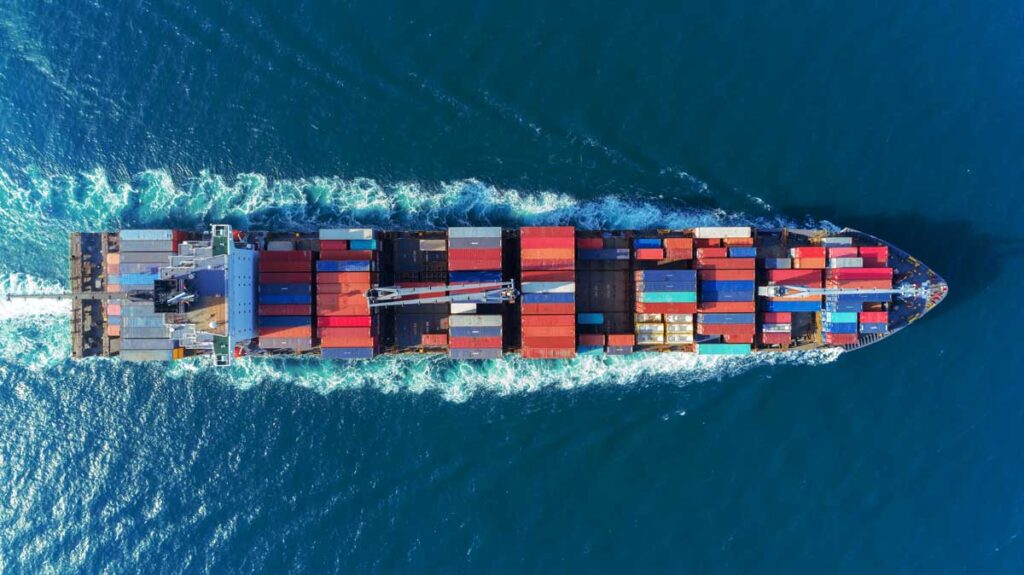
Export documentation refers to the collection of legal, financial, and compliance documents required to ship goods from China to the Netherlands. Because EU customs are strict, properly prepared paperwork is essential for clearance.
Why documentation matters
- Ensures cargo meets EU import regulations
- Determines tax, duty, and HS classification
- Supports safety and compliance checks
- Prevents delays at both origin and destination
- Ensures smooth supply chain operations
Accurate documents accelerate customs processing and reduce overall logistics costs.
Which Export Documents Are Required When Shipping From China to the Netherlands?
Every shipment must meet both Chinese export requirements and Dutch (EU) import regulations. Therefore, exporters must prepare a complete set of documents.
Key Required Documents
Table: Export Documentation Checklist
| Document | Required | Purpose |
|---|---|---|
| Commercial Invoice | Yes | Declares value, buyer, seller |
| Packing List | Yes | Lists dimensions, weight, packaging |
| Bill of Lading / Air Waybill | Yes | Proof of transport |
| HS Codes | Yes | Determines duty rate |
| Certificate of Origin | Sometimes | Reduces tariffs under FTAs |
| CE Certification | For regulated goods | EU safety compliance |
| MSDS | For chemicals | Safety guidelines |
| Export License | For restricted goods | Legal authorization |
| Insurance Certificate | Optional | Protects goods in transit |
These documents form the basis of a complete export package.
How Do Commercial Invoices Work in Export Documentation China to Netherlands?
The commercial invoice is the most important export document because it acts as a legal and financial record of the transaction.
What to include in a commercial invoice
- Seller and buyer details
- Product description
- Quantity and unit price
- Total value
- Incoterms (FOB, CIF, EXW, DDP, etc.)
- Currency used
- Country of origin
- HS codes
- Signature and company stamp
Accurate invoices help customs determine duties and verify declared values.
What are you waiting for?
Contact chinatopfreight for a fast, free quote.
Are you ready to book?
Access live instant freight quotes
Why Is the Packing List Important for Exports to the Netherlands?
The packing list complements the invoice by confirming weight, packaging, and volume. Additionally, customs and warehouse teams use it to verify cargo accuracy.
Packing list details
- Total cartons
- Dimensions & weight
- Packaging type
- SKU or product codes
- Loading details
- Shipping marks
Proper packing lists reduce handling errors and facilitate faster inspection.
What Transport Documents Are Needed for Export Documentation?
Transport documents differ depending on the mode of shipment—sea freight, air freight, or rail.
Transport Document Types
Table: Transport Document Comparison
| Transport Mode | Document | Purpose | Notes |
|---|---|---|---|
| Sea Freight | Bill of Lading (B/L) | Contract of carriage | Required for customs |
| Air Freight | Air Waybill (AWB) | Proof of air transport | Non-negotiable |
| Rail Freight | Rail Consignment Note | Proof of rail shipment | Mainly for EU-China rail |
Transport documents confirm ownership and shipment details.
What Compliance Certificates Are Needed for Exporting Goods to the Netherlands?
EU regulations require certain product categories to comply with specific safety standards.
Common compliance documents
- CE Certificate for electronics, toys, machinery
- RoHS Certificate for electrical products
- MSDS/SDS for chemicals
- Phytosanitary Certificate for plants
- Health Certificate for food items
- REACH Compliance for chemical substances
Failure to provide certifications may cause shipment seizure or fines.
How Do HS Codes Affect Export Documentation China to Netherlands?
HS codes determine import duties, VAT, and compliance obligations.
Importance of HS codes
- Define duty rates
- Affect CE or REACH requirements
- Determine if goods are restricted
- Influence documentation requirements
Correct classification avoids overpayment of taxes and penalties.
How Do Incoterms Influence Export Documentation?
Incoterms specify responsibility for costs, risks, and documentation preparation.
Incoterms Overview
Table: Incoterms Impact on Documentation
| Incoterm | Exporter Responsibility | Importer Responsibility |
|---|---|---|
| EXW | Minimal documents | Majority of paperwork |
| FOB | Export documents, port handling | Freight + import clearance |
| CIF | Export + freight | Insurance, import clearance |
| DDP | All documents | None |
| DAP | Export-only | Import duties |
Choosing the right Incoterm clarifies who prepares which document.
How Does Chinese Export Customs Clearance Work?
Chinese customs must review and approve export documentation before the shipment leaves.
Steps for export clearance
- Submit export declaration
- Provide commercial invoice and packing list
- Verify HS codes
- Confirm export licenses (if needed)
- Inspection (random)
- Release for loading
Accurate documents reduce the chance of inspection delays.
How Does Dutch Customs Process Imports From China?
Dutch customs follows EU import procedures. Therefore, importers must provide complete and accurate documents to avoid delays.
Steps in Dutch customs clearance
- Verify EORI number
- Review invoice, packing list, B/L or AWB
- Validate HS codes and duties
- Payment of VAT (BTW)
- Inspection (if flagged)
- Release to final delivery
Clear documentation ensures a smooth transition into the EU market.
Conclusion
Proper export documentation China to Netherlands is essential for smooth customs clearance, accurate duty calculation, and compliance with EU import standards. Although the process involves multiple documents—from invoices and packing lists to CE certificates and HS classification—exporters can achieve efficient operations by following structured procedures. Moreover, partnering with a reliable freight forwarder ensures document accuracy, reduces risks, and accelerates both Chinese export clearance and Dutch import approval. With the right preparation, exporters can maintain strong supply chain performance and avoid costly delays.
FAQ
1. What documents are essential for exporting goods from China to the Netherlands?
Essential documents include the commercial invoice, packing list, bill of lading or air waybill, HS codes, and compliance certificates depending on product type.
2. Do I always need a Certificate of Origin for exports to the Netherlands?
Not always. A Certificate of Origin is required only when the importer wants tariff reductions or when specific products fall under preferential trade agreements.
3. How do HS codes affect customs duties in the Netherlands?
HS codes determine the applicable tariff rate, VAT charges, and product compliance requirements. Using the wrong code may result in delays, fines, or incorrect duty payment.
4. What happens if export documents contain errors or inconsistencies?
Errors can trigger customs inspection, delay clearance, or cause penalties. Ensuring all documents match exactly helps avoid shipment delays and additional costs.
5. Are CE certificates required for all products imported into the Netherlands?
CE certificates are required for regulated categories such as electronics, machinery, toys, and medical devices. Non-regulated goods do not require CE marking.