

- By kelly
- October 20, 2025
- Logistics, Tips or Guide
Export Documentation China to Spain: Complete Guide for Importers and Exporters

When planning shipments, export documentation China to Spain is one of the most critical aspects that determines whether cargo clears customs smoothly. Errors in paperwork can lead to costly delays, penalties, or even shipment rejection. This guide explains required documents, customs rules, shipping methods, and compliance tips to help businesses streamline trade between China and Spain.
1. What Export Documentation Is Required from China to Spain?
Exporting goods requires accurate paperwork that satisfies both Chinese export regulations and Spanish customs clearance. Below are the most common documents:
| Document | Purpose |
|---|---|
| Commercial Invoice | Declares product value, HS code, and buyer/seller details. |
| Packing List | Details package contents, dimensions, and weights. |
| Bill of Lading (B/L) / Airway Bill (AWB) | Proof of carriage and title to goods. |
| Certificate of Origin (CO) | Verifies product origin; sometimes required for preferential tariffs. |
| Export License | Mandatory for restricted items (e.g., medical devices, chemicals). |
| CE Certification | Required for machinery, electronics, and products under EU regulations. |
| Insurance Certificate | Provides coverage proof for goods in transit. |
| Customs Declaration (China) | Filed electronically with Chinese customs before departure. |
| EORI Number (Spain) | Required for EU importers to process clearance. |
2. Why Is Export Documentation So Important in China–Spain Trade?
Accurate export documents:
- Ensure compliance with EU and Spanish customs laws.
- Avoid shipment delays at Spanish ports like Valencia, Barcelona, and Bilbao.
- Prevent financial losses from demurrage, fines, or rejected goods.
- Guarantee eligibility for trade agreements or duty reductions.
3. How Much Does It Cost to Ship from China to Spain?
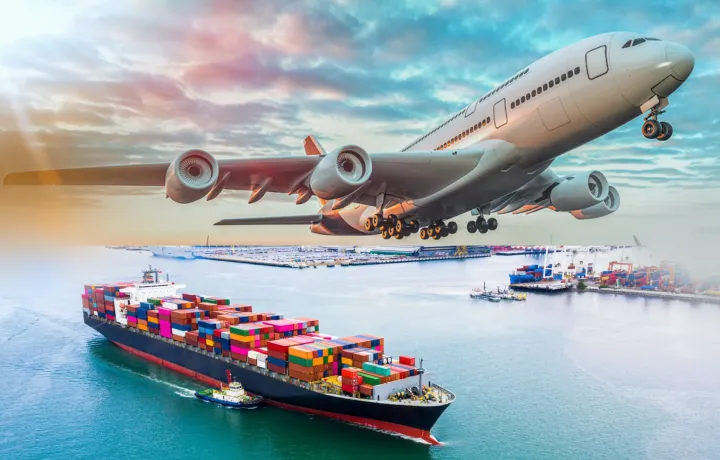
Shipping costs depend on freight mode, cargo volume, and delivery terms.
| Shipping Mode | Average Cost (USD) | Transit Time | Best For |
|---|---|---|---|
| Sea Freight (FCL – 20FT) | $2,000 – $3,200 | 30–35 days | Bulk and heavy cargo |
| Sea Freight (FCL – 40FT) | $3,600 – $5,400 | 30–35 days | Large machinery, furniture |
| LCL (per CBM) | $120 – $160 | 32–40 days | Small shipments |
| Air Freight | $5 – $8/kg | 6–10 days | High-value or urgent cargo |
| Rail Freight | $4,500 – $6,000/container | 18–22 days | Mid-volume, faster than sea |
4. What Are the Main Transit Times from China to Spain?
| Origin Port | Destination Port | Sea Transit | Rail Transit | Air Transit |
|---|---|---|---|---|
| Shanghai | Valencia | 30–33 days | 18–20 days | 6–8 days |
| Shenzhen | Barcelona | 28–32 days | 20–22 days | 6–8 days |
| Ningbo | Bilbao | 31–35 days | 19–21 days | 6–9 days |
| Qingdao | Madrid (via Valencia) | 32–36 days | 20–23 days | 7–10 days |
5. What Customs Duties Apply to Imports into Spain?
- Import Duty: Typically 2–12% depending on HS code.
- VAT (IVA): Standard rate 21%, applied on CIF value + duties.
- Excise Taxes: Applicable for alcohol, tobacco, and luxury goods.
6. How to Prepare a Commercial Invoice for Spain?
A compliant invoice should include:
- Exporter and importer full details.
- Product HS code.
- Incoterms (FOB, CIF, DDP).
- Unit price, total value, and currency.
- Country of origin (China).
- Signature and company stamp.
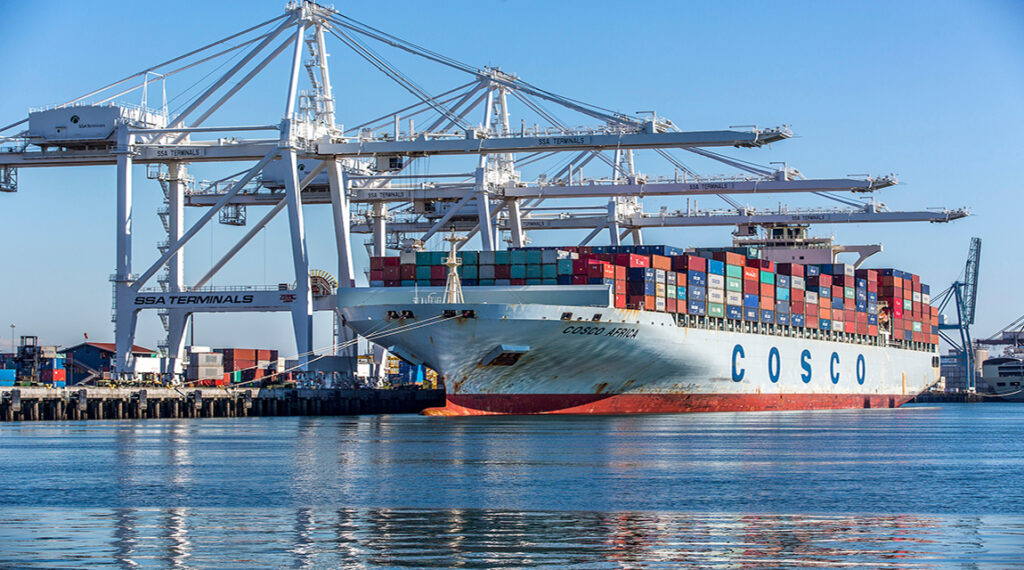
7. What Are the Differences Between Sea, Air, and Rail Freight for China–Spain?
| Factor | Sea Freight | Air Freight | Rail Freight |
|---|---|---|---|
| Cost | Lowest | Highest | Medium |
| Speed | 28–40 days | 6–10 days | 18–22 days |
| Best For | Heavy, bulk goods | Urgent, small shipments | Mid-sized shipments |
| Risk | Moisture damage | Higher cost | Limited routes |
| Reliability | High | Very High | Moderate |
8. Do You Need Special Export Documentation for Certain Goods?
Yes. Categories like:
- Medical Equipment – CE mark, export license, compliance certificates.
- Electronics – CE certification, WEEE directive compliance.
- Food & Beverages – Phytosanitary certificate, health inspection reports.
- Chemicals – MSDS (Material Safety Data Sheet), hazardous cargo documents.
9. Which Spanish Ports and Airports Are Most Efficient for Imports?
- Sea Ports: Valencia (largest), Barcelona, Bilbao.
- Airports: Madrid-Barajas, Barcelona-El Prat.
- Rail Terminals: Zaragoza, Madrid, and Valencia.
10. What Are Common Mistakes in Export Documentation from China to Spain?
- Incorrect HS code classification.
- Missing CE certification for regulated goods.
- Using incomplete packing lists.
- Failing to provide Spanish importer’s EORI number.
- Misdeclaring Incoterms, leading to disputes.
11. How to Avoid Delays in China–Spain Customs Clearance?
- Double-check invoices and HS codes.
- File export declaration in advance with Chinese customs.
- Provide importer’s EORI and VAT details upfront.
- Ensure product labeling complies with EU standards.
12. Who Is Responsible for Export Documentation: Supplier or Buyer?
- Under FOB, the supplier arranges export clearance.
- Under CIF, the supplier also covers freight and insurance.
- Under DDP, the supplier handles all paperwork and costs.
- Buyers should clarify Incoterms before shipment to avoid disputes.
📦Get a Free Quote
If you need expert help managing export documentation China to Spain, our team ensures accurate paperwork, customs compliance, and timely delivery. Contact us for tailored solutions, competitive shipping rates, and professional guidance to avoid costly delays.
❓ Frequently Asked Questions
1. What is the most important document for exports to Spain?
The commercial invoice, as it determines customs duty and VAT calculation.
2. Do I need CE certification to export from China to Spain?
Yes, for machinery, electronics, and regulated goods under EU safety directives.
3. How long does customs clearance take in Spain?
Typically 1–3 days if documents are correct, but delays occur with errors.
4. Can I use the same export documents for sea and air freight?
Yes, except for the Bill of Lading (sea) and Airway Bill (air).
5. What happens if HS codes are wrong?
Shipments can be delayed, fined, or rejected by Spanish customs.
Conclusion
The success of any shipment depends on proper export documentation China to Spain. From commercial invoices and packing lists to CE certifications and customs declarations, every detail matters. Choosing the right shipping method, preparing paperwork in advance, and working with reliable logistics partners ensures smooth transit, reduced costs, and timely delivery.